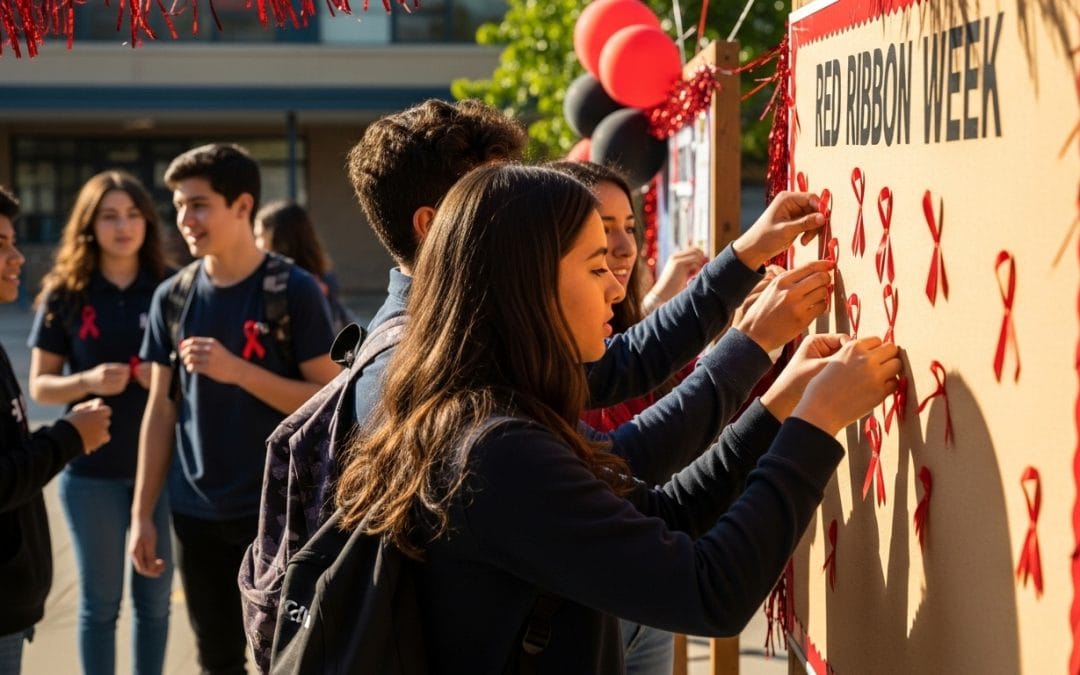
Red Ribbon Week might look like a simple tradition with thousands of students and teachers wearing bright red ribbons each October. But this campaign mobilizes more than 80 million Americans every year for drug prevention activities. What started as a powerful tribute to one fallen DEA agent has grown into a nationwide movement that quietly shapes how young people talk about health, choices, and their future.
Table of Contents
- What Is Red Ribbon Week And Its Origin
- The Importance Of Red Ribbon Week In Promoting Health
- Key Messages And Themes Of Red Ribbon Week
- How Red Ribbon Week Activities Foster Awareness
- Real-World Impact Of Red Ribbon Week Initiatives
Quick Summary
| Takeaway | Explanation |
|---|---|
| Red Ribbon Week promotes drug-free lifestyles | This campaign raises awareness about substance abuse and encourages youth to live healthy, drug-free lives. |
| Origins stem from Agent Camarena’s legacy | Inspired by the tragic murder of DEA Agent Enrique Camarena, the campaign honors his commitment to fighting drugs. |
| Engagement through community and schools | Schools and communities actively participate in activities that educate young people about drug risks during Red Ribbon Week. |
| Focus on positive decision-making | The campaign emphasizes empowerment and resilience, encouraging youth to make informed choices rather than using fear tactics. |
| Evidence shows effective long-term impact | Research demonstrates that initiatives like Red Ribbon Week significantly reduce potential substance abuse among young people. |
What is Red Ribbon Week and its Origin
Red Ribbon Week represents a powerful national campaign dedicated to raising awareness about drug prevention and promoting healthy, substance-free lifestyles among youth and communities across the United States. This annual event serves as a profound tribute to Enrique Camarena, a courageous Drug Enforcement Administration (DEA) agent whose tragic story sparked a nationwide movement.
The Tragic Story Behind the Campaign
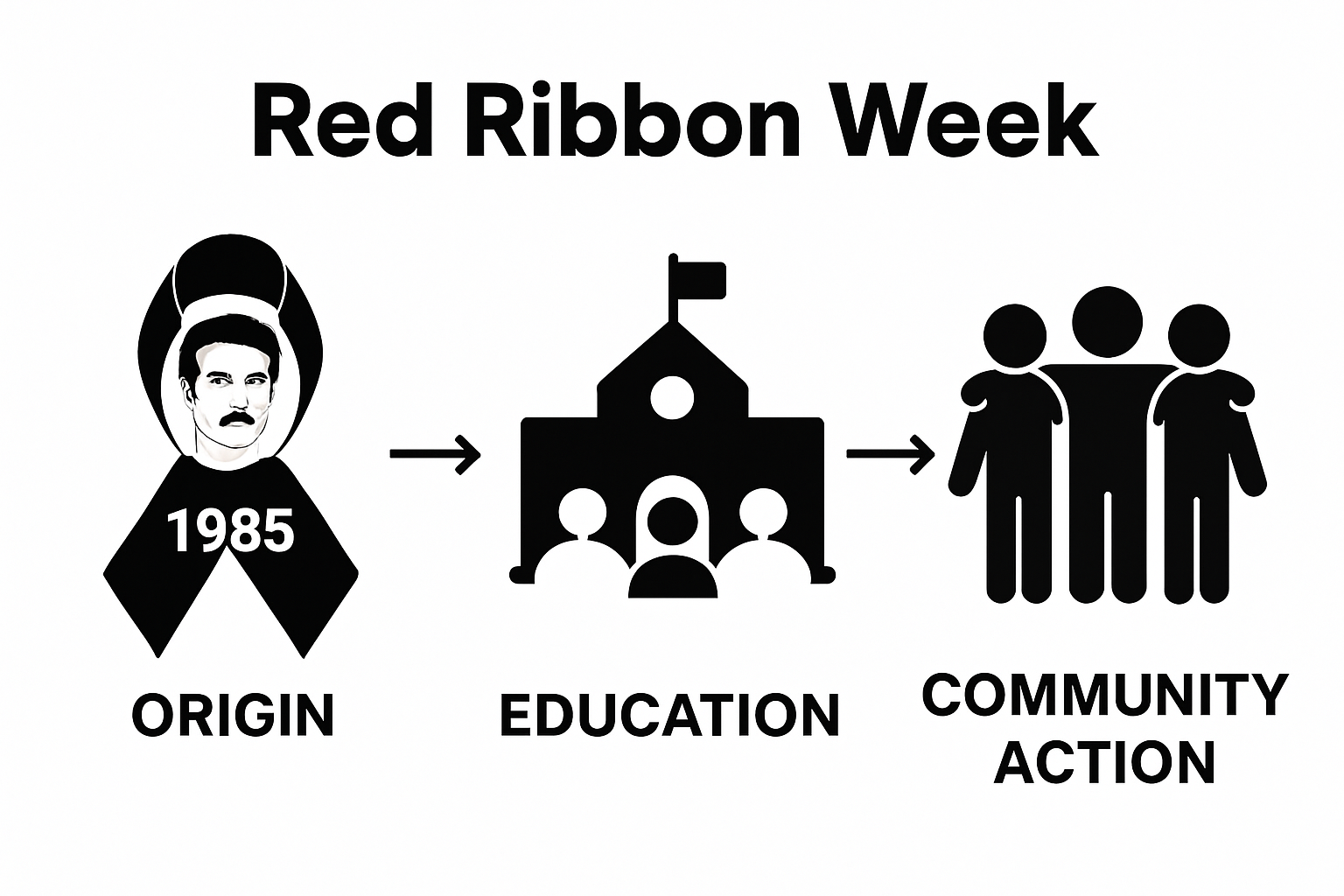
In 1985, Special Agent Enrique “Kiki” Camarena was brutally murdered in Mexico while investigating drug cartels. His sacrifice became a pivotal moment that transformed personal tragedy into a nationwide call for drug awareness and prevention. After his death, his friends and colleagues began wearing red ribbons to honor his memory and commitment to combating drug trafficking.
United States Congress officially recognized Red Ribbon Week in 1988, establishing it as a national memorial and educational initiative.
A Community Movement for Prevention
Today, Red Ribbon Week is more than a memorial. It represents a grassroots movement engaging schools, families, and communities in critical conversations about substance abuse prevention. During the last week of October each year, millions of Americans participate by wearing red ribbons, hosting educational events, and implementing programs designed to educate young people about the dangers of drug use.
Key objectives of Red Ribbon Week include:
- Raising public awareness about the destructive consequences of substance abuse
- Encouraging youth to make healthy, drug-free lifestyle choices
- Celebrating community efforts in substance abuse prevention
- Memorializing Agent Camarena’s commitment to fighting illegal drugs
The campaign’s strength lies in its ability to transform a personal tragedy into a powerful, nationwide educational movement that continues to inspire generations of young people to remain drug-free and make positive life choices.
Below is a table summarizing the key objectives of Red Ribbon Week, clearly outlining each focus area and its intended impact.
| Key Objective | Intended Impact |
|---|---|
| Raise public awareness about substance abuse | Increase community knowledge about the consequences of drug use |
| Encourage youth to make healthy, drug-free choices | Support positive lifestyle decisions among young people |
| Celebrate community efforts in prevention | Recognize and motivate groups fighting against substance abuse |
| Memorialize Agent Camarena’s commitment | Honor the legacy of Agent Camarena and inspire ongoing advocacy |
The Importance of Red Ribbon Week in Promoting Health
Red Ribbon Week serves as a critical platform for addressing one of the most significant public health challenges facing young people: substance abuse. By creating a concentrated national dialogue about drug prevention, the campaign plays a pivotal role in protecting individual and community health through education, awareness, and proactive intervention strategies.
Understanding the Health Risks of Drug Use
Substance abuse represents a complex health issue with profound consequences for physical, mental, and social well-being. Young people are particularly vulnerable to the devastating impacts of drug use, which can disrupt neurological development, impair cognitive function, and create long-term health complications. National Institute on Drug Abuse research indicates that early intervention and prevention education are crucial in mitigating these risks.
Holistic Approach to Prevention
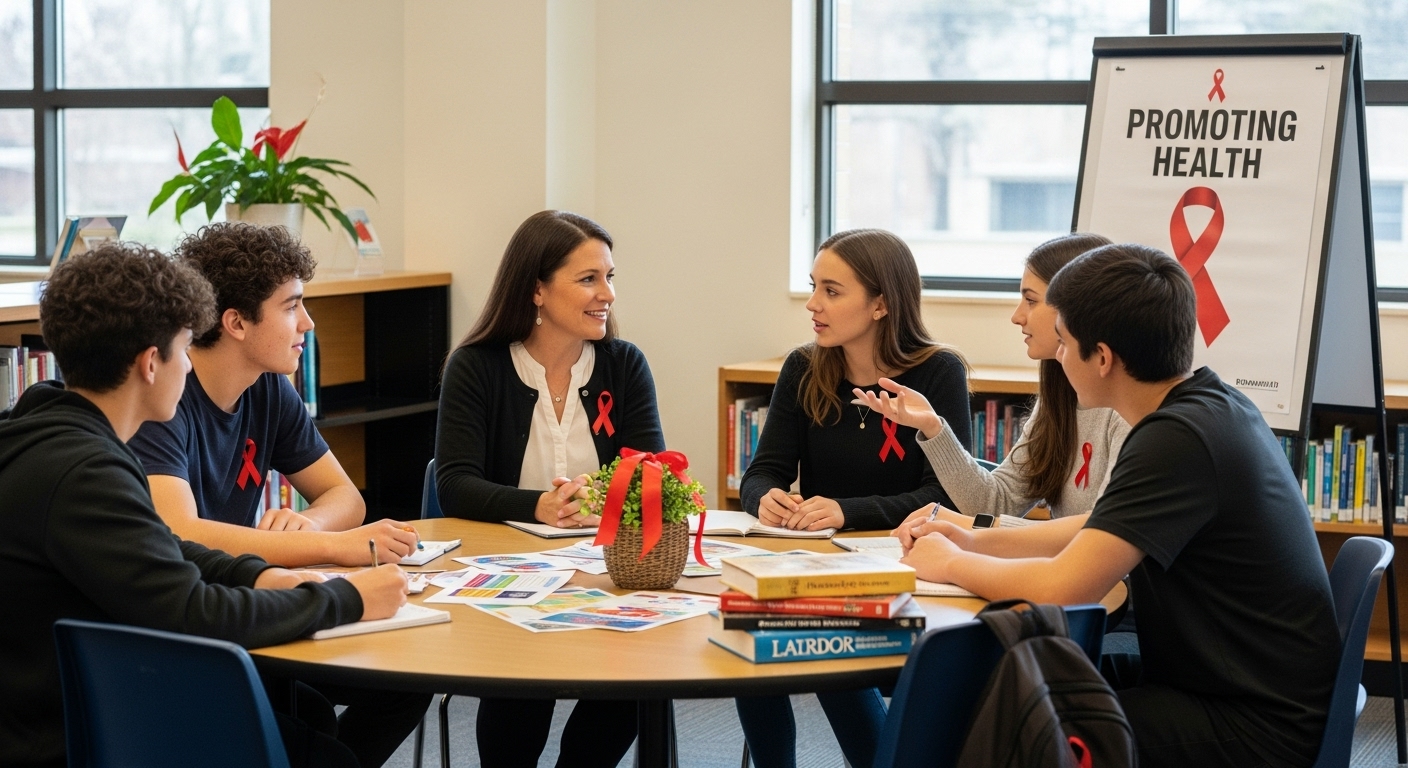
Red Ribbon Week goes beyond simple warnings about drug dangers. The campaign adopts a comprehensive health promotion strategy that empowers individuals to make informed, healthy choices. By engaging schools, families, and communities, the initiative creates a supportive ecosystem that addresses the root causes of substance abuse.
Key health promotion strategies include:
- Developing positive coping mechanisms and stress management skills
- Building resilience and self-esteem among youth
- Creating supportive community networks
- Providing accurate, age-appropriate information about substance abuse risks
The campaign recognizes that health is multidimensional, addressing not just physical risks but also psychological and social factors that contribute to potential drug use. By fostering open conversations and providing resources, Red Ribbon Week helps create a protective environment that supports young people’s overall health and well-being.
Key Messages and Themes of Red Ribbon Week
Red Ribbon Week transcends a simple awareness campaign by delivering powerful, targeted messages that inspire positive change and empower young people to make healthy life choices. Each year, the campaign focuses on specific themes designed to engage students, educators, and communities in meaningful conversations about drug prevention and personal wellness.
Core Messaging Strategies
The campaign’s messaging approach centers on proactive education and personal empowerment. Instead of using fear-based tactics, Red Ribbon Week emphasizes positive decision-making and personal potential. By highlighting the opportunities and benefits of a drug-free lifestyle, the initiative motivates young people to recognize their inherent strengths and capabilities.
Annual Thematic Focus
Drug Enforcement Administration research indicates that annual themes play a crucial role in capturing attention and driving engagement. These themes are carefully crafted to resonate with current social contexts and youth experiences, making the message more relevant and impactful.
Typical theme elements include:
- Celebrating personal resilience and strength
- Promoting mental and physical well-being
- Encouraging community support and connection
- Highlighting positive alternatives to substance use
Key messages consistently reinforce the idea that choosing a drug-free life is not about restriction, but about unlocking personal potential and creating opportunities for growth, success, and meaningful relationships. By presenting drug prevention as a pathway to empowerment, Red Ribbon Week transforms a potentially negative conversation into an inspiring narrative of personal choice and self-determination.
How Red Ribbon Week Activities Foster Awareness
Red Ribbon Week transforms drug prevention education from a theoretical concept into a dynamic, interactive experience through carefully designed activities that engage students, families, and communities. These activities are strategically crafted to create memorable, impactful learning opportunities that go beyond traditional educational approaches.
Interactive School-Based Initiatives
Schools play a central role in Red Ribbon Week by implementing creative programs that make drug prevention education engaging and relevant. These initiatives range from themed dress-up days and poster competitions to assemblies and interactive workshops that encourage students to explore the consequences of substance abuse through personal reflection and group discussions.
Community Engagement and Visibility
Drug Enforcement Administration efforts highlight the importance of making drug prevention visible and tangible. Community activities are designed to create widespread awareness and solidarity in the fight against substance abuse.
Key community engagement strategies include:
- Organizing public events and awareness rallies
- Displaying red ribbons in prominent community locations
- Hosting panel discussions with recovery experts
- Coordinating local prevention and education programs
These activities serve multiple purposes: they educate the public, show support for those struggling with addiction, and create a unified message of hope and prevention. By bringing drug prevention conversations into public spaces, Red Ribbon Week transforms a complex social issue into a shared community responsibility, encouraging open dialogue and collective action against substance abuse.
This table provides an overview of the main types of Red Ribbon Week activities and their core purposes, helping readers quickly differentiate between school-based and community-driven initiatives.
| Activity Type | Core Purpose | Example Initiatives |
|---|---|---|
| School-Based Initiatives | Engage students in interactive, age-appropriate drug prevention | Dress-up days, poster contests, assemblies |
| Community Engagement | Broaden public awareness and foster community responsibility | Awareness rallies, panel discussions, ribbon displays |
| Workshops and Events | Provide in-depth education and personal reflection opportunities | Interactive workshops, family nights |
| Public Displays | Increase the visibility of drug prevention messages | Red ribbons in public places, banners |
Real-World Impact of Red Ribbon Week Initiatives
Red Ribbon Week demonstrates remarkable effectiveness in shaping youth attitudes and behaviors surrounding substance abuse. By implementing targeted educational strategies and community engagement, the initiative has created measurable positive outcomes in drug prevention and awareness across multiple societal dimensions.
Quantitative Evidence of Prevention
Substance abuse prevention programs like Red Ribbon Week play a critical role in reducing drug use among young people. Research indicates that early intervention and consistent educational messaging can significantly decrease the likelihood of future substance abuse problems. Early awareness becomes a powerful tool in interrupting potential addiction trajectories before they begin.
Long-Term Behavioral Transformation
National Institute on Drug Abuse studies suggest that comprehensive drug prevention initiatives create lasting behavioral changes by addressing underlying psychological and social factors that contribute to substance abuse.
Key impact areas include:
- Decreased rates of initial drug experimentation among teenagers
- Increased understanding of substance abuse risks
- Enhanced personal resilience and decision-making skills
- Improved family and community communication about drug-related challenges
By transforming drug prevention from a punitive approach to an empowering educational experience, Red Ribbon Week has successfully created a sustainable model of intervention that supports individual and community health. The initiative’s holistic strategy recognizes that preventing substance abuse requires more than warnings it demands building strong, supportive environments that enable young people to make informed, healthy choices.
Take Your Red Ribbon Week Impact Further with Powerful Assemblies
Red Ribbon Week highlights the urgent need to protect students from the real risks of substance abuse. If your school community wants to support lasting change and create a memorable prevention message, you need more than just information. You need interactive educational experiences that truly engage and empower students to make healthy choices. Academic Entertainment offers a nationwide platform for booking school assembly programs that reinforce positive decision-making, character development, and drug-free values in meaningful ways. Programs align perfectly with Red Ribbon Week goals by promoting health, resilience, and a supportive school culture.
Bring the message of Red Ribbon Week to life this year. Explore engaging, age-appropriate assemblies and virtual events that inspire your students to stay drug-free and confident. Partner with Academic Entertainment now to customize your Red Ribbon Week programming. Provide your school with impactful educational entertainment and schedule your event before dates fill up. Visit our main site today to get started and make a difference your students will remember.
Frequently Asked Questions
What is Red Ribbon Week?
Red Ribbon Week is an annual campaign dedicated to raising awareness about drug prevention and promoting healthy, substance-free lifestyles among youth. It takes place during the last week of October each year.
Why was Red Ribbon Week established?
Red Ribbon Week was established to honor Enrique “Kiki” Camarena, a DEA agent who was murdered while investigating drug cartels. His death sparked a nationwide movement for drug awareness and prevention, officially recognized by Congress in 1988.
How does Red Ribbon Week promote substance abuse prevention?
Red Ribbon Week encourages schools, families, and communities to engage in conversations about substance abuse prevention through events, educational programs, and the wearing of red ribbons, symbolizing commitment to a drug-free lifestyle.
What are some key activities associated with Red Ribbon Week?
Key activities during Red Ribbon Week include themed dress-up days at schools, community awareness rallies, workshops, and interactive events designed to educate participants about the dangers of drug use and encourage healthy choices.
Recommended
- Creative Red Ribbon Week Assembly Ideas for Schools
- World Kindness Day is November 13 – Academic Entertainment
- Fall 2018 School Assemblies and Show Preview – Academic Entertainment
- How School Assemblies support Social Emotional Learning (SEL) Initiatives – Academic Entertainment