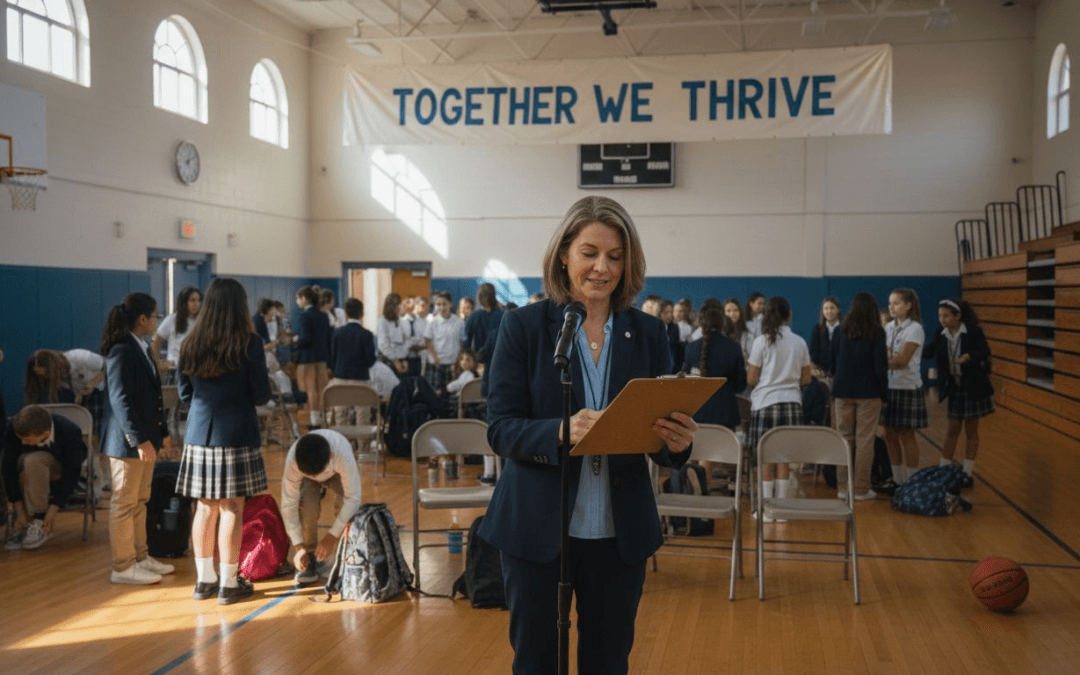
Every school administrator knows how challenging it can be to unite a diverse student body and create a strong sense of belonging. School assemblies offer a unique opportunity to transform campus culture through engaging, inclusive experiences. By prioritizing purposeful planning, active participation, and school unity, these gatherings become much more than routine events—they support connection, celebrate achievements, and open pathways for meaningful social impact within the American educational community.
Key Takeaways
| Point | Details |
|---|---|
| Assemblies Foster Community | School assemblies build unity, celebrate achievements, and promote a sense of belonging among students and staff. |
| Types of Assemblies | Various assembly types serve specific goals, such as academic recognition, motivational themes, and cultural awareness. |
| Engagement is Key | Successful assemblies require strategic planning for audience participation and meaningful connections to school values. |
| Promote Inclusion | Design assemblies to represent diverse voices and perspectives, fostering understanding and equity within the school community. |
How Assemblies Foster School Community
School assemblies are powerful platforms that transform educational environments by creating meaningful connections among students, teachers, and staff. Fostering school community dynamics goes far beyond simple gatherings – they represent strategic opportunities to build unity, celebrate achievements, and reinforce shared values.
These collective experiences serve multiple critical functions in strengthening school culture:
- Break down hierarchical barriers between students and staff
- Provide shared moments of recognition and celebration
- Create opportunities for collective learning beyond traditional classroom settings
- Promote a sense of belonging and institutional pride
- Highlight individual and group achievements
Successful school assemblies intentionally design experiences that encourage interaction and mutual understanding. By bringing diverse student groups together, administrators can create spaces where students feel seen, heard, and valued. These gatherings become more than events – they transform into critical moments of community building.
School Unity emerges through carefully planned assembly experiences that showcase student talents, address important social topics, and create inclusive environments. When students witness peers presenting, receiving awards, or discussing meaningful issues, they develop deeper empathy and connection to their broader school community.
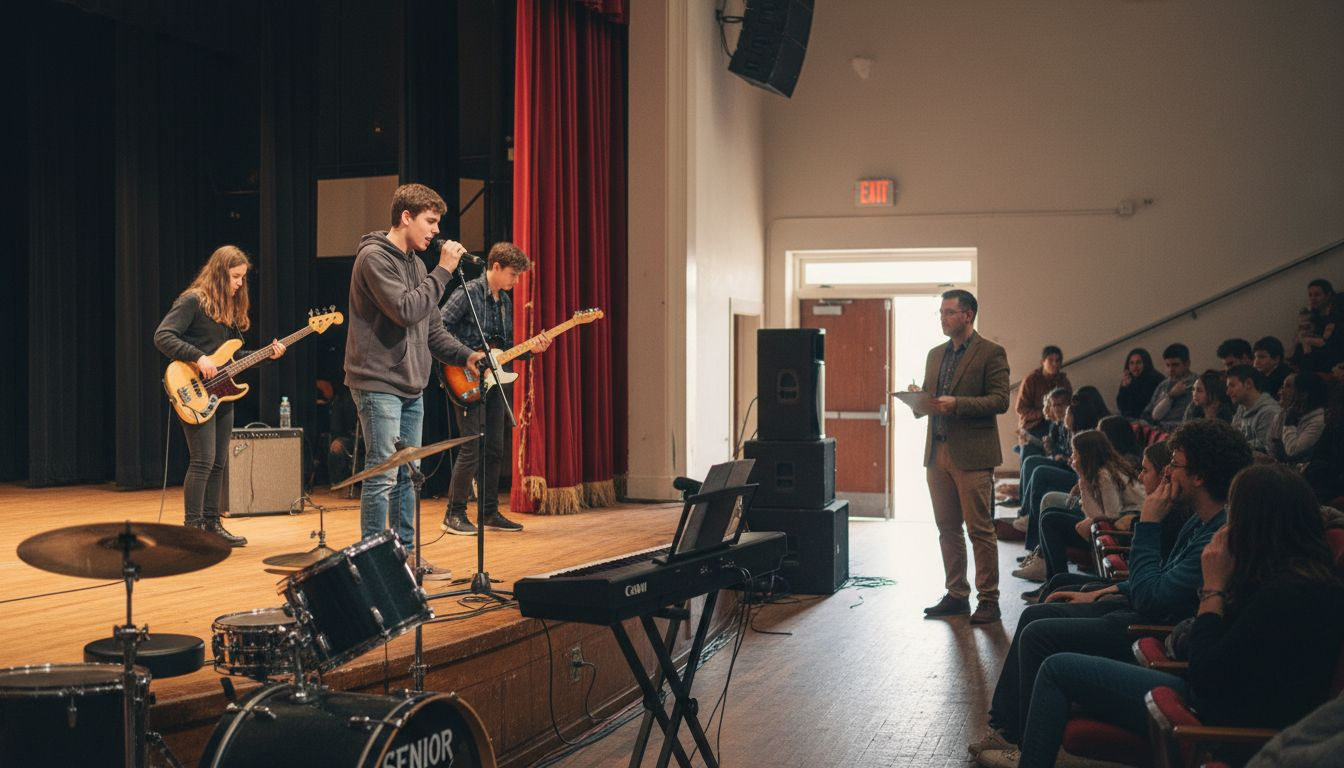
Pro tip: Design assemblies with intentional interaction opportunities that allow students from different grades and backgrounds to engage meaningfully with one another.
Types of Assemblies and Their Focus
School assemblies represent diverse approaches to engaging students, with each type designed to address specific educational and developmental objectives. Understanding assembly purposes helps administrators create meaningful experiences that support student growth and school culture.
The primary types of school assemblies include:
- Whole School Assemblies: Gatherings involving the entire student body
- Grade-Level Assemblies: Targeted programs for specific age groups
- Motivational Assemblies: Programs featuring inspirational speakers
- Academic Recognition Assemblies: Celebrating student achievements
- Cultural Awareness Assemblies: Promoting diversity and understanding
- Safety and Character Education Assemblies: Addressing critical social skills
Motivational Assemblies often feature external speakers who share powerful personal stories, demonstrating how individual experiences can inspire collective learning. These presentations typically focus on themes like perseverance, leadership, and personal responsibility, providing students with role models beyond their immediate school environment.
Character Education Assemblies play a crucial role in developing students’ social-emotional skills. By addressing topics like bullying prevention, empathy, respect, and ethical decision-making, these assemblies create opportunities for collective reflection and personal growth.
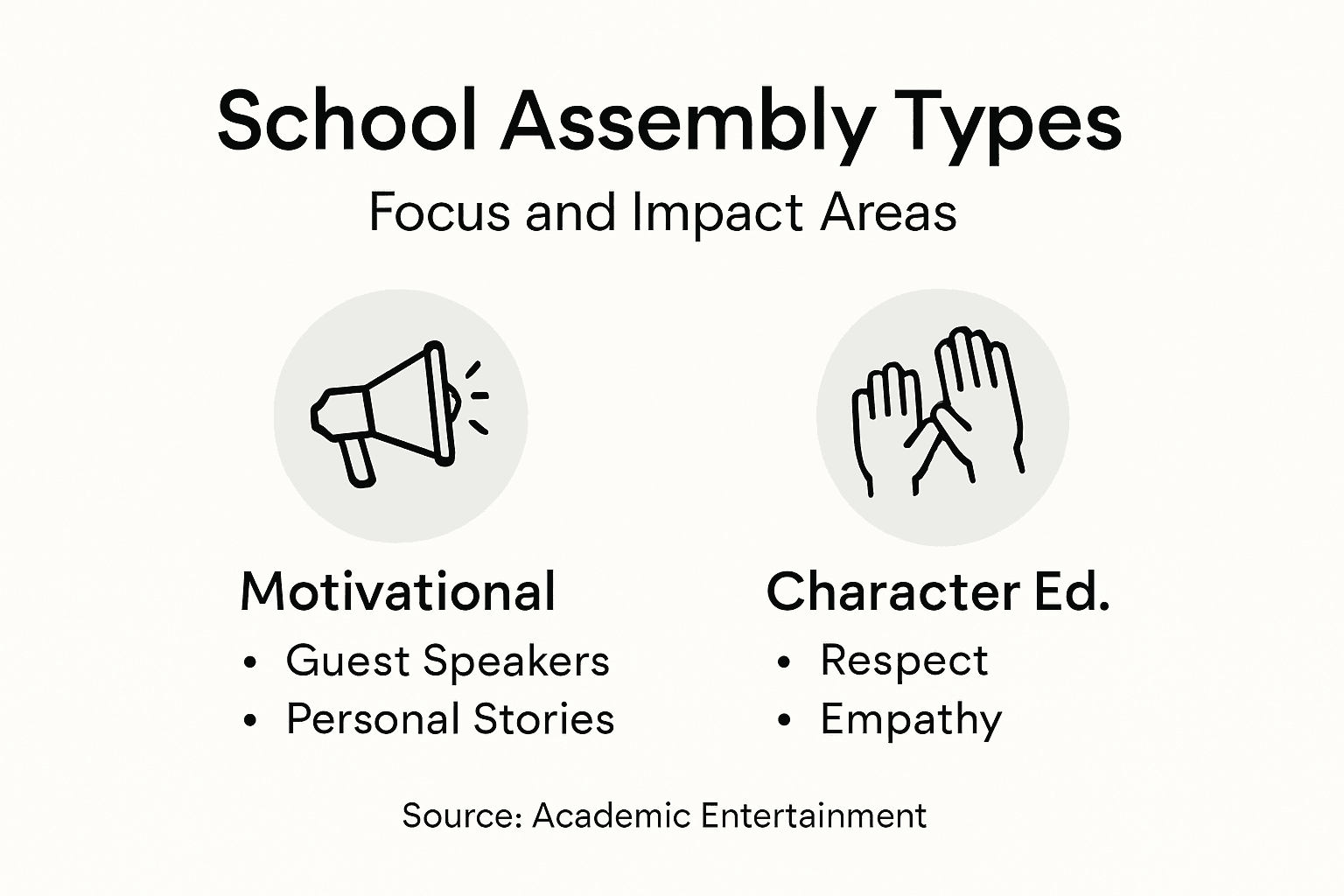
Here’s a quick comparison of common school assembly types and their unique contributions:
| Assembly Type | Main Emphasis | Unique Benefit |
|---|---|---|
| Whole School | School-wide unity | Strengthens campus identity |
| Grade-Level | Age-specific needs | Tailors content for age groups |
| Motivational | Inspiration and growth | Builds resilience and ambition |
| Academic Recognition | Achievement celebration | Boosts motivation and morale |
| Cultural Awareness | Diversity and understanding | Fosters cross-cultural empathy |
| Safety & Character Education | Social-emotional development | Teaches values and life skills |
Effective assemblies transform from simple gatherings into strategic learning experiences that support holistic student development.
Pro tip: Rotate assembly types throughout the academic year to maintain student engagement and address diverse learning objectives.
Key Elements of Successful Assemblies
Crafting a successful school assembly requires strategic planning and thoughtful execution. Successful assembly fundamentals demand careful coordination and a clear, purposeful approach that engages students and supports educational objectives.
Key elements of impactful school assemblies include:
- Clear and compelling presentation objectives
- Engaging and age-appropriate content
- Smooth logistical planning and transitions
- Active audience participation strategies
- Meaningful connection to school values
- Appropriate duration for student attention spans
- Professional and enthusiastic presenters
Purposeful Planning represents the cornerstone of effective assemblies. School administrators must develop a comprehensive strategy that aligns the assembly’s content with specific educational goals, whether focusing on character development, academic recognition, or cultural awareness.
Audience Engagement determines an assembly’s success. Presenters must understand student dynamics, using interactive techniques that maintain attention and create meaningful learning experiences. This involves balancing informative content with entertainment, using storytelling, multimedia presentations, and opportunities for student interaction.
Successful assemblies transform from routine gatherings into powerful educational experiences that inspire, educate, and connect students.
Pro tip: Conduct brief student and staff surveys after assemblies to continuously refine and improve future programming.
Assemblies Promoting Inclusion and Equity
School assemblies represent powerful platforms for advancing inclusive educational practices, creating spaces where every student feels valued, respected, and represented. By intentionally designing programs that celebrate diversity and address systemic barriers, schools can transform these gatherings into meaningful opportunities for building understanding and community.
Key strategies for promoting inclusion and equity through assemblies include:
- Featuring diverse presenters and speakers
- Representing multiple cultural perspectives
- Highlighting stories from marginalized communities
- Addressing contemporary social justice issues
- Creating opportunities for student voice and representation
- Using inclusive language and imagery
- Challenging stereotypes and systemic inequities
Representation Matters. When students see themselves reflected in assembly content, they develop a stronger sense of belonging and institutional connection. This means intentionally selecting presenters, performers, and content that reflect the school’s demographic diversity and provide meaningful narratives that transcend traditional cultural boundaries.
Systemic Approach to inclusion requires more than symbolic gestures. Schools must critically examine assembly programming, ensuring that content goes beyond surface-level diversity to genuinely engage with complex social dynamics, promote empathy, and create opportunities for authentic cross-cultural understanding.
Effective inclusion transforms assemblies from passive events into dynamic opportunities for learning, growth, and mutual respect.
Pro tip: Establish a diverse planning committee that includes students from various backgrounds to help design more representative and meaningful assembly experiences.
Practical Strategies for Lasting Impact
Creating transformative school assemblies requires strategic planning and intentional implementation. Maximizing assembly effectiveness demands a comprehensive approach that goes beyond one-time events and builds sustained educational momentum.
Key practical strategies for ensuring lasting impact include:
- Develop clear, measurable objectives for each assembly
- Create pre and post-assembly educational materials
- Integrate assembly themes into curriculum
- Establish follow-up discussion opportunities
- Design interactive reflection activities
- Collect and analyze student feedback
- Track long-term behavioral and academic outcomes
Curriculum Integration transforms assemblies from isolated experiences into ongoing learning journeys. By connecting assembly content with classroom instruction, schools can reinforce key messages and provide deeper context for students, ensuring that momentary insights translate into meaningful understanding.
Continuous Improvement requires systematic evaluation and adaptation. Schools should develop robust mechanisms for gathering student, teacher, and administrative perspectives, using data-driven insights to refine future assembly programming and maximize educational impact.
For ongoing improvement, consider how each assembly element impacts student engagement:
| Element | Purpose | Impact on Students |
|---|---|---|
| Clear Objectives | Guides planning and focus | Sets expectations, increases value |
| Interactive Strategies | Invites participation | Boosts engagement and retention |
| Diverse Presenters | Reflects student demographics | Increases inclusion and belonging |
| Curriculum Integration | Links assembly and classroom learning | Deepens understanding and relevance |
Effective assemblies are not standalone events, but strategic components of a comprehensive educational approach.
Pro tip: Create a cross-departmental assembly planning team that includes students, teachers, and administrators to ensure diverse perspectives and comprehensive program design.
Elevate Your School Assemblies Into Powerful Community Builders
Creating meaningful school assemblies that build unity, promote inclusion, and inspire student growth is no small task. The article highlights challenges like engaging diverse student groups, fostering a strong sense of belonging, and delivering age-appropriate, impactful content. If you want to overcome these hurdles and transform assemblies from routine events into unforgettable experiences, Academic Entertainment offers tailored programs that perfectly align with your goals.
Discover a wide variety of educational and cultural performances carefully designed to spark connection and reinforce key themes such as character development, anti-bullying, and diversity. These programs bring expert presenters and performers who captivate students while promoting values that truly strengthen your school culture.
Unlock the full potential of your school assemblies by exploring our proven solutions. Visit Academic Entertainment to find out how to customize your next assembly for maximum impact. Start planning today to inspire, engage, and unite your entire school community with programs that make a lasting difference.
Frequently Asked Questions
What are the benefits of school assemblies?
School assemblies foster a sense of community, break down hierarchical barriers, celebrate achievements, and promote shared values among students, teachers, and staff.
How can assemblies promote inclusion and diversity in schools?
Assemblies can promote inclusion by featuring diverse presenters, representing multiple cultural perspectives, and addressing contemporary social justice issues, creating opportunities for students to see themselves reflected in the content.
What types of assemblies can schools organize?
Schools can organize various types of assemblies, including whole school assemblies, grade-level assemblies, motivational assemblies, academic recognition assemblies, cultural awareness assemblies, and safety and character education assemblies.
How can we ensure assemblies engage students effectively?
To engage students effectively, schools should implement clear objectives, use interactive strategies, incorporate diverse presenters, and integrate assembly themes into the curriculum for deeper understanding.
Recommended
- 7 Ways Theme-Based School Assemblies Foster Diversity & Unity – Academic Entertainment
- Benefits of Assemblies: Complete Guide for Schools – Academic Entertainment
- What Makes Your Assemblies Different from Others? Explained – Academic Entertainment