

Did you know that over 75 percent of organizations now include diversity and inclusion goals in their core values? Conversations around these issues are not just corporate buzzwords—they shape how people feel and work together every day. The right speaker can guide schools and workplaces through tough questions about fairness, culture, and belonging, making a real difference in how teams interact and grow.
Key Takeaways
| Point | Details |
|---|---|
| Importance of Diversity and Inclusion Speakers | They facilitate understanding and engagement with human differences, promoting inclusive cultures through actionable strategies. |
| Key Topics Covered | Speakers often address allyship, anti-discrimination, identity representation, systemic awareness, and cultural competence to foster inclusivity. |
| Impact on College Audiences | Speakers engage students through storytelling and interactive techniques, enhancing social skills and promoting critical thinking. |
| Selecting Effective Speakers | Colleges should prioritize speakers with authentic experiences, academic credibility, and engaging presentation styles for impactful learning. |
Defining Diversity And Inclusion Speakers
Diversity and inclusion speakers are specialized professional communicators who help organizations understand, embrace, and leverage human differences in meaningful and transformative ways. According to research from George Washington University, diversity represents the collective mixture of individual and group differences that can drive excellence across various domains, while inclusion involves intentional and ongoing engagement with these differences.
These speakers typically bring expertise in creating environments where every individual feels valued, respected, and empowered to contribute fully. Their presentations go beyond simple awareness, focusing on actionable strategies that help schools, organizations, and communities build more inclusive cultures.
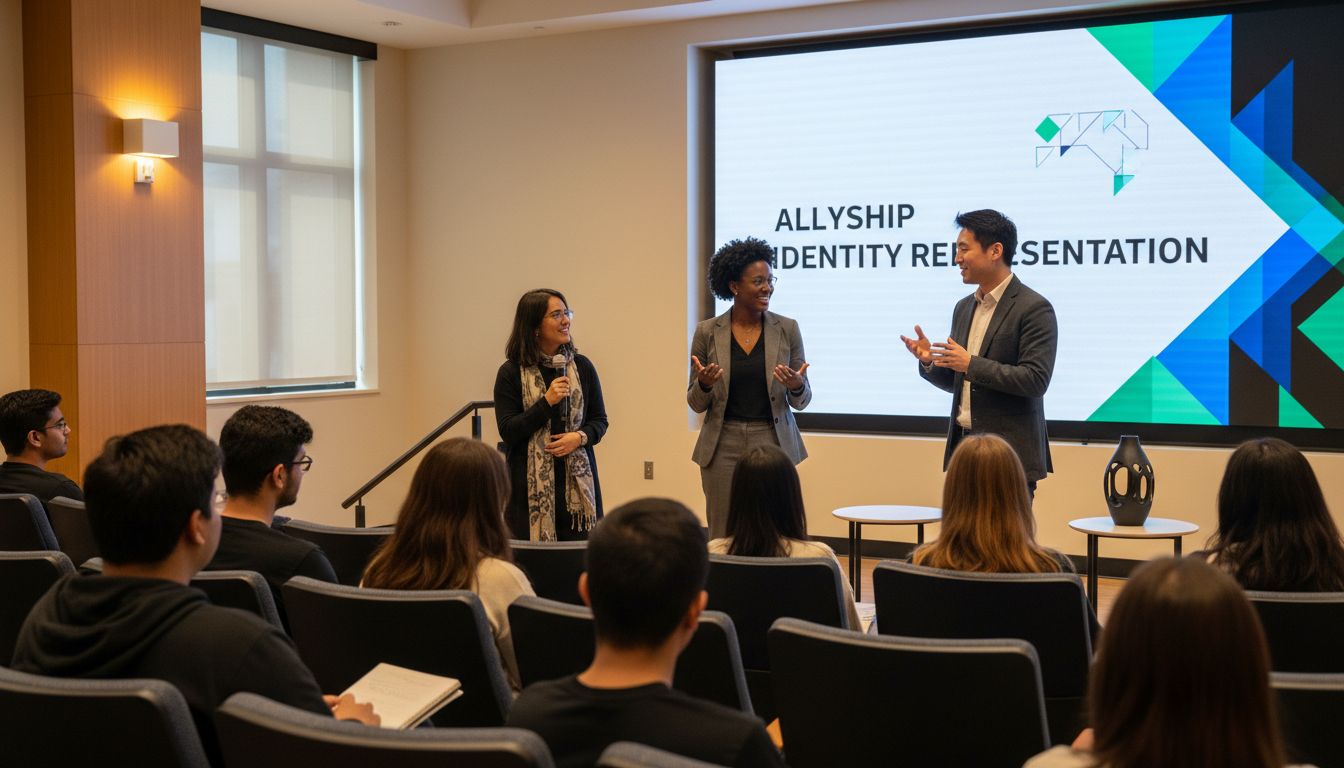 Key areas of focus often include:
- Understanding unconscious bias
- Developing cross-cultural communication skills
- Recognizing systemic barriers
- Promoting equitable practices
- Celebrating individual and collective differences
As research from Georgetown University’s Medical Center indicates, true diversity and inclusion requires active, intentional engagement that promotes full participation and a genuine sense of belonging for every individual. Effective diversity and inclusion speakers are skilled storytellers, researchers, and facilitators who can translate complex social dynamics into compelling, digestible narratives that inspire meaningful personal and organizational transformation.
Types Of Diversity And Inclusion Topics
Diversity and inclusion topics encompass a rich and complex landscape of human experiences, identities, and systemic interactions. According to research from American University, diversity in educational settings can be understood through multiple dimensions, including demographic diversity such as ability, age, gender, ethnicity, religion, and socioeconomic background.
Research from George Washington University highlights several critical diversity and inclusion subjects that speakers and educators frequently address:
Here’s a summary of key diversity and inclusion topics addressed by speakers:
| Topic Area | Core Focus | Typical Outcomes |
|---|---|---|
| Allyship and Support | Active support for marginalized groups | Empowered allies Increased engagement |
| Anti-Discrimination | Combating racism, anti-Semitism, prejudice | Greater awareness Policy improvement |
| Identity and Representation | Exploring gender, sexuality, intersectionality | Improved representation Sense of belonging |
| Systemic Awareness | Recognizing implicit bias, inequalities | Critical thinking Actionable strategies |
| Cultural Competence | Respectful multi-cultural interactions | Enhanced skills Inclusive mindsets |
- Allyship and Support: Understanding how to actively support marginalized communities
- Anti-Discrimination: Confronting prejudices like anti-Semitism and racism
- Identity and Representation: Exploring gender, sexuality, and intersectionality
- Systemic Awareness: Recognizing implicit bias and structural inequalities
- Cultural Competence: Developing skills to respectfully engage with different cultural experiences
These topics are not just academic exercises but vital conversations that help create more inclusive, empathetic, and understanding environments.
Virtual diversity school shows can be powerful tools for introducing these complex subjects in engaging, accessible ways, helping students and educators develop deeper understanding and appreciation for human differences.
How Speakers Impact College Audiences
College audiences experience profound transformative moments through diversity and inclusion speakers, who serve as catalysts for personal growth, critical thinking, and social awareness. According to research from American University, these speakers play a critical role in enhancing students’ perspectives and promoting educational equity by creating dynamic learning environments that challenge existing assumptions and broaden intellectual horizons.
The impact of these speakers extends far beyond traditional lecture formats. They typically engage college students through:
- Interactive storytelling techniques
- Personal narrative sharing
- Real-world experience demonstrations
- Challenging traditional perspectives
- Encouraging empathetic dialogue
Understanding the nuanced ways inspirational talks for college students can transform audience perspectives becomes crucial. These speakers don’t just communicate information—they create immersive experiences that help students develop critical social skills, emotional intelligence, and a deeper understanding of complex human experiences. By presenting diverse narratives and challenging systemic biases, they empower young adults to become more conscious, compassionate global citizens ready to navigate an increasingly interconnected world.
Selecting The Right Speaker For Colleges
Selecting the perfect diversity and inclusion speaker for college audiences requires a strategic approach that goes beyond simple demographic representation. According to research from George Washington University, institutions should prioritize speakers with deep expertise in complex topics such as allyship, implicit bias, intersectionality, and social class dynamics to ensure meaningful engagement with students.
When evaluating potential speakers, college administrators should consider several critical factors:
- Authentic Experience: Speakers with lived experiences related to their topic
- Academic Credibility: Professional background or research expertise
- Engagement Skills: Ability to connect with young adult audiences
- Comprehensive Understanding: Nuanced approach to diversity topics
- Interactive Presentation Style: Capacity to facilitate meaningful dialogue
Motivational speakers to inspire students can be particularly effective when they combine personal storytelling with evidence-based insights. The most impactful speakers don’t just share information—they create transformative experiences that challenge students’ perspectives, encourage critical thinking, and inspire personal growth. By carefully vetting potential speakers and prioritizing those who can navigate complex social narratives with empathy and depth, colleges can create powerful learning opportunities that extend far beyond traditional classroom instruction.
Best Practices For Hosting Inclusive Events
Hosting truly inclusive events requires intentional planning and a commitment to creating spaces where every participant feels welcomed, respected, and valued. According to research from George Washington University, effective inclusive events go beyond mere representation by providing comprehensive educational resources on complex topics like allyship, implicit bias, and intersectionality.
Event organizers should focus on several key strategies to ensure inclusivity:
- Accessible Design: Accommodate diverse physical and communication needs
- Diverse Representation: Include speakers and panelists from varied backgrounds
- Flexible Programming: Create multiple engagement opportunities
- Sensitive Language: Use inclusive and respectful terminology
- Safe Space Protocols: Establish clear guidelines for respectful dialogue
Educational entertainment planning guide can be an invaluable resource for navigating these nuanced considerations. The most successful inclusive events create environments that not only acknowledge differences but actively celebrate them, transforming potential barriers into opportunities for genuine connection, learning, and mutual understanding. By approaching event design with empathy, cultural intelligence, and a genuine commitment to equity, organizers can craft experiences that truly bring people together across diverse backgrounds and perspectives.
Bring Diversity and Inclusion to Life in Your School Assemblies
Understanding complex topics like allyship, implicit bias, and cultural competence is crucial for fostering truly inclusive environments in schools. The challenges highlighted in the article around creating meaningful engagement with diversity and inclusion can feel overwhelming. Schools need trusted, experienced speakers who can translate these themes into captivating programs that resonate deeply with K-12 students.
At Academic Entertainment, we have over 40 years of expertise in delivering customized school assembly programs that address diversity, character development, and cultural awareness. Our live and virtual shows not only educate but inspire students to embrace differences and build empathy through engaging storytelling and interactive performances. Whether aiming to tackle anti-bullying, celebrate diversity, or promote respectful dialogue, our offerings provide the trusted support your school needs to make inclusion an everyday reality.
Discover how to transform your school culture today with our educational entertainment planning guide
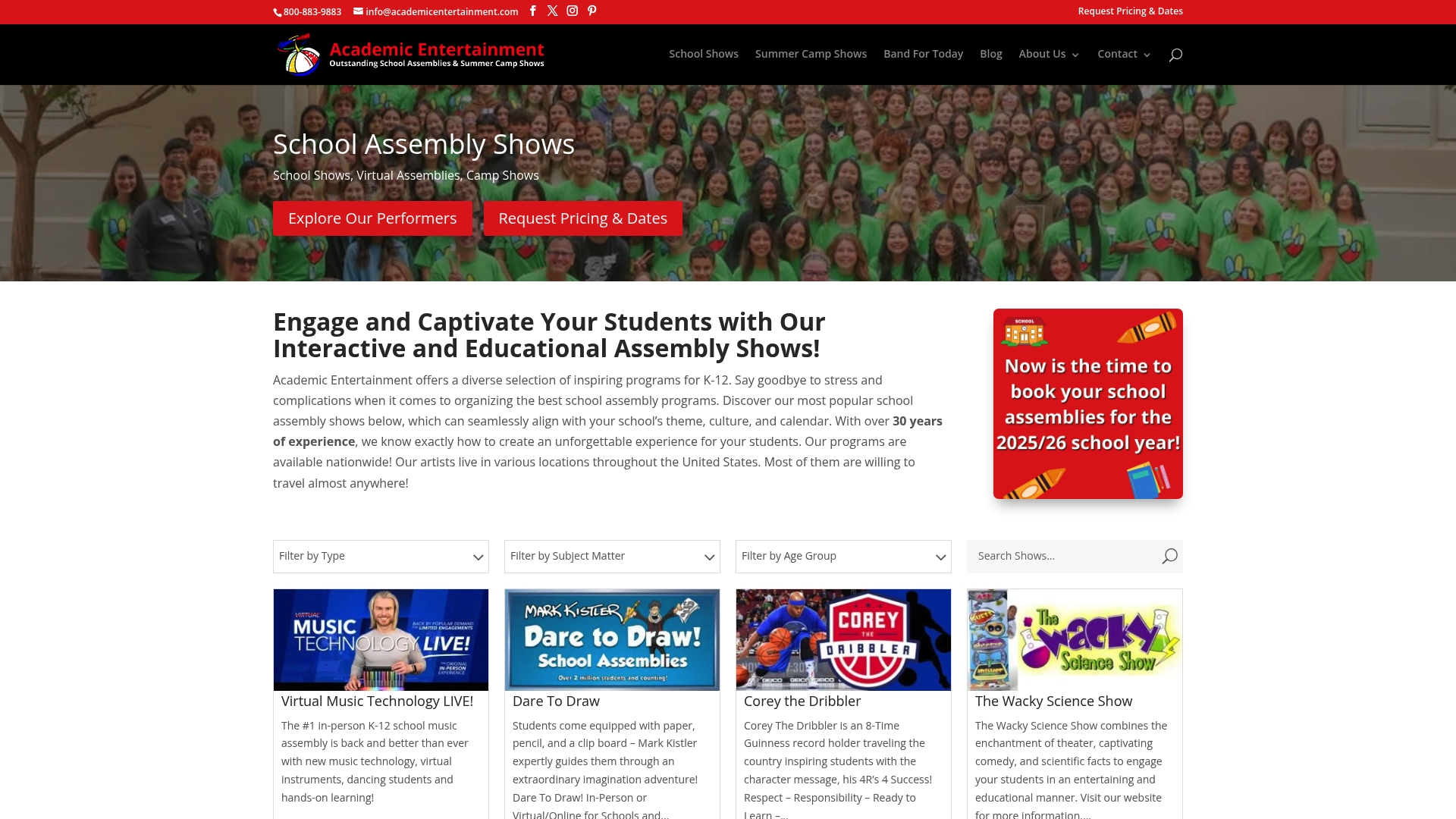
Empower your school community now. Visit Academic Entertainment to explore a wide range of diversity-focused programs and book a speaker who brings these vital conversations alive for your students.
Frequently Asked Questions
What are diversity and inclusion speakers?
Diversity and inclusion speakers are professional communicators who help organizations understand and embrace human differences. They focus on creating inclusive environments where everyone feels valued and empowered.
What topics do diversity and inclusion speakers typically cover?
They cover a range of topics including allyship, anti-discrimination, identity and representation, systemic awareness, and cultural competence, all aimed at fostering inclusivity and understanding.
How do diversity and inclusion speakers impact college audiences?
These speakers facilitate personal growth and critical thinking among college students by engaging them in dynamic discussions, interactive storytelling, and real-world experiences that challenge existing assumptions.
What should colleges consider when selecting a diversity and inclusion speaker?
Colleges should prioritize speakers with authentic experiences, academic credibility, strong engagement skills, a nuanced understanding of diversity topics, and an interactive presentation style that fosters meaningful dialogue.
Recommended
- Understanding the Role of Guest Speakers in Schools – Academic Entertainment
- Multicultural and Diversity School Assembly Show Ideas – Academic Entertainment
- Virtual Diversity School Shows – Academic Entertainment
- Understanding Why Book Motivational Speakers Matters – Academic Entertainment


