
Schools are on the hunt for shows that do more than entertain. They want programs that really matter to students and boost learning all at once. Shockingly, over 70% of schools report missing out on meaningful impact because their entertainment choices aren’t matched to students’ true needs. So the secret to picking the right performance has nothing to do with flashy acts or famous names. It all starts with getting clear about your school’s real goals and making every decision count for your students.
Table of Contents
- Step 1: Assess Your Event Requirements
- Step 2: Review Venue Availability
- Step 3: Confirm Required Notice Period
- Step 4: Finalize Booking With Vendor
- Step 5: Communicate Details To Stakeholders
Quick Summary
| Key Point | Explanation |
|---|---|
| 1. Assess Student Demographics | Analyze age range and themes to select suitable shows for students. |
| 2. Align Programs with Learning Goals | Ensure performances support curriculum standards and educational objectives for better engagement. |
| 3. Review Venue Availability Carefully | Map space and technical requirements to facilitate smooth scheduling for chosen performances. |
| 4. Understand Booking Notice Periods | Recognize varied advance booking requirements to secure desired performances. |
| 5. Communicate Effectively with Stakeholders | Share comprehensive details about the performance to build excitement and prepare students. |
Step 1: Assess Your Event Requirements
Before booking a show, understanding your event requirements is crucial for selecting the perfect educational entertainment. This initial step involves a comprehensive evaluation of your school’s specific needs, audience characteristics, and program objectives.
Understanding Your Audience Demographics
Carefully analyzing your student population forms the foundation of successful show selection. Consider the age range, grade levels, and potential academic or social themes that might resonate with your students. For elementary schools, interactive performances that blend entertainment with educational content work best. Middle and high school audiences might require more sophisticated, nuanced presentations that challenge their intellectual curiosity.
School administrators should start by gathering key information about their student body. This includes total student count, age distribution, and any specific learning objectives or institutional themes for the upcoming semester. Some schools focus on character development, while others might prioritize STEM engagement or cultural awareness.
Program Compatibility and Learning Goals
Determining program compatibility requires thoughtful alignment between the show’s content and your institutional learning goals. Schools seeking assemblies that support curriculum standards will want to choose performances that complement existing educational frameworks. For instance, a science-focused assembly should provide interactive demonstrations that reinforce classroom learning rather than simply presenting entertainment.
Key considerations for program compatibility include:
- Alignment with curriculum standards
- Age-appropriate content
- Interactive engagement potential
- Educational value beyond pure entertainment
By meticulously assessing these elements, school leaders can ensure they select a show that not only captivates students but also delivers meaningful educational experiences. The goal is finding that perfect balance between learning and fun, transforming an assembly from a mere interruption to a powerful supplemental educational tool.
Successful event requirement assessment means creating a clear, detailed profile of your desired educational performance. This preparation significantly increases the likelihood of booking a show that will truly resonate with your student population and support your broader institutional objectives.
Step 2: Review Venue Availability
After identifying your event requirements, the next critical step involves thoroughly reviewing your school’s venue availability. This process ensures you can accommodate the selected performance while avoiding scheduling conflicts that might derail your educational entertainment plans.
Mapping Internal Space and Technical Requirements
Conducting a comprehensive venue assessment begins with understanding your school’s physical space characteristics. Different performances require varying stage sizes, technical setups, and audiovisual capabilities. A magic show might need minimal space, while a dance performance or science demonstration could demand more complex technical accommodations.
School administrators should carefully evaluate their potential performance spaces. Gymnasiums, auditoriums, and multipurpose rooms each present unique logistical considerations. Measure available floor space, examine ceiling heights, and confirm electrical outlet accessibility. Some performers require specific stage dimensions or sound system compatibility, so gathering precise measurements beforehand prevents potential booking complications.
Scheduling and Coordination Strategies
Venue availability extends beyond physical space to include complex scheduling dynamics. School calendars are intricate ecosystems with numerous competing priorities: standardized testing windows, academic competitions, holiday events, and regular classroom instruction all influence potential performance timeslots.
Key scheduling considerations include:
- Academic calendar constraints
- Potential testing or examination periods
- Existing school event schedules
- Classroom disruption minimization
- Required setup and breakdown times
Professional event coordinators recommend creating a preliminary venue availability matrix. This document should outline potential dates, time windows, and any restrictions that might impact performance scheduling. By proactively mapping these details, schools can streamline communication with entertainment providers and increase the likelihood of securing their preferred show.
Successful venue availability review means developing a clear, flexible framework that balances logistical constraints with educational programming goals. School leaders who approach this step methodically can transform potential scheduling challenges into smooth, well-executed educational experiences that enhance student learning and engagement.
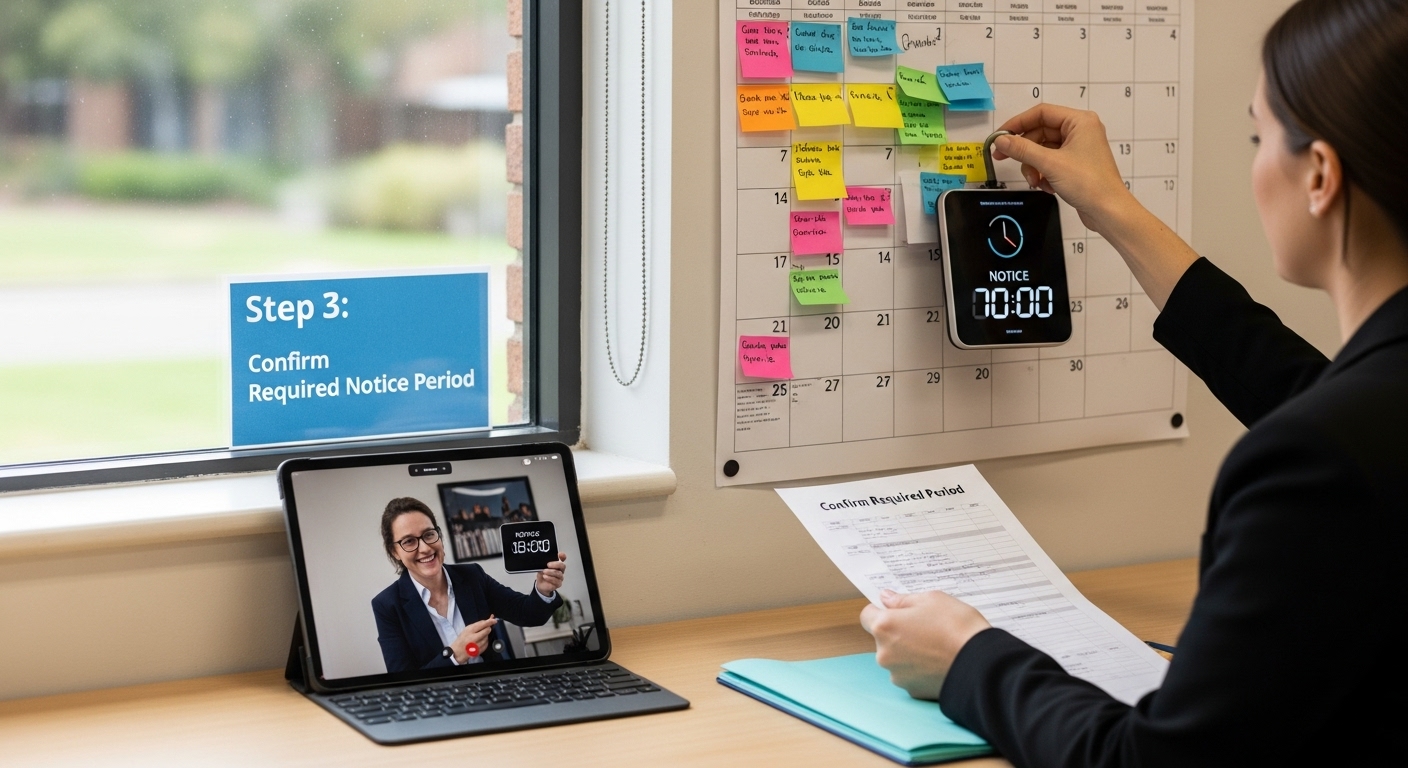
Step 3: Confirm Required Notice Period
Navigating the booking timeline requires a precise understanding of the required notice period for educational entertainment performances. Each performer or entertainment provider maintains unique scheduling protocols that dictate how far in advance schools must book their shows.
Understanding Booking Windows and Timing Constraints
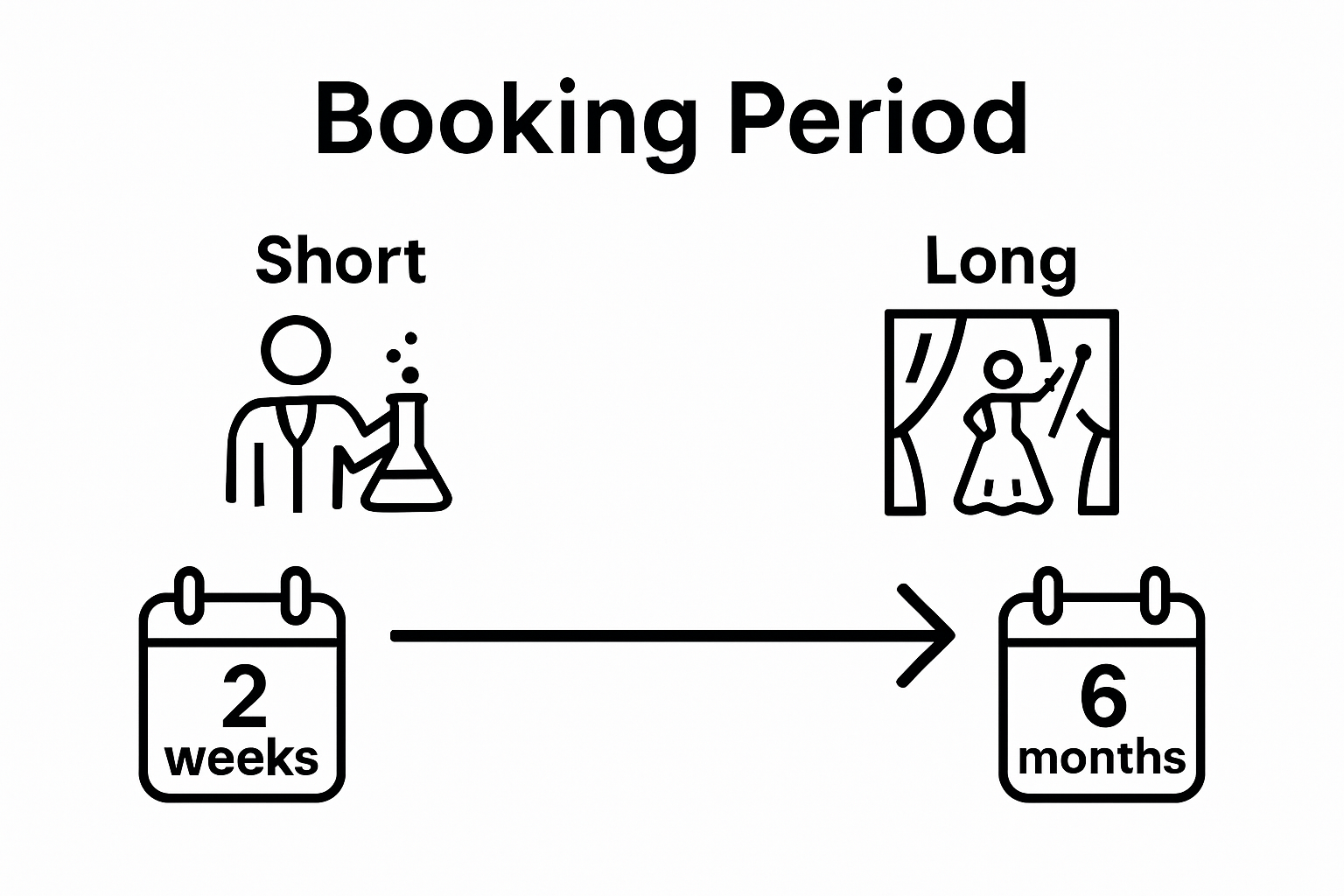
Professional educational entertainment providers typically require advanced notice to ensure proper preparation, performer availability, and logistical coordination. These notice periods can vary dramatically depending on the type of performance, performer popularity, and seasonal demand. A specialized science assembly might require less lead time compared to a highly sought-after cultural performance that books months in advance.
School administrators should recognize that notice periods are not uniform across all entertainment providers. Some performers might need as little as two weeks for local bookings, while others recommend submitting requests 3-6 months before the desired performance date. Factors influencing these windows include performer travel requirements, production complexity, and overall demand for their educational programs.
Strategic Booking Preparation
Preparing for the notice period involves more than simply marking a calendar. Successful booking requires proactive communication and strategic planning. Schools should develop a systematic approach to identifying potential performance dates and initiating contact with entertainment providers well in advance of their ideal showtime.
Critical notice period considerations include:
- Peak academic semester booking windows
- Performer-specific advance notice requirements
- Institutional budget approval timelines
- Potential backup performance options
- Flexibility in scheduling
Most experienced school administrators recommend maintaining a flexible approach when confirming notice periods. This might involve identifying multiple potential performance dates and having contingency plans if initial preferred timeslots are unavailable. Building relationships with entertainment providers can also provide additional flexibility and insider knowledge about booking windows.
Successful notice period confirmation means developing a comprehensive understanding of each performer’s specific booking requirements. By approaching this step with detailed preparation and strategic thinking, schools can maximize their chances of securing the perfect educational entertainment experience for their students.
Step 4: Finalize Booking with Vendor
With venue availability confirmed and notice periods understood, the next critical phase involves finalizing your booking with the selected entertainment vendor. This step transforms preliminary discussions into a concrete, contractually binding performance agreement that protects both the school and the performer.
Negotiating Performance Details
Successful booking finalization requires meticulous attention to contractual specifics. School administrators must engage in detailed conversations covering performance expectations, technical requirements, pricing structures, and potential contingency plans. This stage is not merely about signing a contract but creating a comprehensive understanding between the educational institution and the entertainment provider.
Careful negotiation involves discussing precise performance parameters. This includes confirming exact performance duration, specific audience age ranges, required technical equipment, and any special accommodation needs.
Some performers might require specific stage configurations, sound systems, or electrical requirements that must be explicitly outlined in the final agreement.
Documentation and Contractual Considerations
Formalizing the booking demands comprehensive documentation that protects both parties. School leaders should prepare a detailed contract that explicitly outlines all performance expectations, financial arrangements, cancellation policies, and potential backup plans. Professional entertainment providers typically provide standard contract templates, but schools should carefully review these documents to ensure they meet institutional requirements.
Critical contract elements include:
- Exact performance date and time
- Complete performance fee structure
- Technical and space requirement specifications
- Cancellation and rescheduling policies
- Insurance and liability considerations
- Performance content and age appropriateness verification
Financial considerations play a significant role in finalizing vendor bookings. Most educational entertainment providers require partial or full payment in advance, with specific invoicing and payment protocols. Schools should confirm acceptable payment methods, any potential deposit requirements, and complete the financial transaction according to the vendor’s specified guidelines.
Successful booking finalization means creating a clear, mutually understood agreement that sets realistic expectations for both the school and the performance provider. By approaching this step with professionalism, attention to detail, and open communication, schools can ensure a smooth, enjoyable educational entertainment experience that enriches student learning.
Step 5: Communicate Details to Stakeholders
Once the performance booking is confirmed, effectively communicating event details to all relevant stakeholders becomes paramount. This critical step ensures smooth coordination and maximizes the educational impact of the upcoming assembly or performance.
Comprehensive Internal Communication Strategy
Successful stakeholder communication requires a multilayered approach that reaches various school community members. School administrators must craft clear, concise messages that provide comprehensive information about the upcoming performance while generating excitement and educational anticipation. The communication strategy should cascade through different organizational levels, from school leadership and teachers to students and support staff.
Principal and administrative communication should focus on logistical details, educational objectives, and potential curriculum integration opportunities. Teachers need specific information about performance content, recommended preparation activities, and how the show aligns with current academic learning goals. This targeted approach ensures that the performance becomes more than just an entertaining interruption but a meaningful educational experience.
External and Parent Communication Protocols
Extending communication beyond internal school networks involves crafting thoughtful messages for parents and guardians. These communications should provide performance context, highlight educational value, and offer any necessary logistical information such as potential schedule modifications or recommended student preparations.
Key communication elements include:
- Precise performance date and time
- Performance theme and educational objectives
- Recommended student preparation
- Any special instructions or requirements
- Potential curriculum connections
Technology offers multiple communication channels for sharing performance details. Email newsletters, school websites, learning management systems, and parent communication platforms can all serve as effective information distribution methods. Some schools utilize automated messaging systems that allow simultaneous communication across multiple platforms, ensuring comprehensive stakeholder engagement.
Successful stakeholder communication transforms a simple performance booking into a collaborative educational experience. By providing clear, timely, and comprehensive information, school administrators can build anticipation, facilitate learning preparation, and maximize the potential educational impact of the upcoming performance. Thoughtful communication turns an entertainment event into a meaningful opportunity for student growth and engagement.
Simplify Your School Show Booking—From Prep to Performance
Getting the timing right is one of the biggest challenges when booking educational entertainment for your school. You need to coordinate venue availability, manage notice periods, confirm all details with vendors, and keep every stakeholder in the loop. As discussed in the article, missing just one of these steps can lead to missed learning opportunities, scheduling stress, or last-minute disappointments that frustrate students and staff alike.
If you want to avoid uncertainty and streamline your school event planning, Academic Entertainment is built just for you.
The table below summarizes the main steps involved in booking an educational show, highlighting the key objective of each stage and examples of typical actions to take.
| Step | Key Objective | Typical Actions |
|---|---|---|
| 1. Assess Event Requirements | Select a suitable show that fits student needs | Review student demographics, identify learning goals, match programs to curriculum |
| 2. Review Venue Availability | Confirm space and technical readiness | Evaluate venues, check schedules, measure stage area, verify AV needs |
| 3. Confirm Required Notice Period | Adhere to performers’ booking timelines | Check required lead time, consider performer availability, plan backup dates |
| 4. Finalize Booking with Vendor | Complete contractual and financial arrangements | Negotiate performance details, review and sign contract, process payment |
| 5. Communicate to Stakeholders | Ensure everyone is informed and prepared | Notify staff, share event details with parents, provide instructions to students |
Ready to eliminate last-minute hassles and secure the best school shows for your students? Visit https://academicentertainment.com now to discover programs, check requirements, and request a quote. Lock in your preferred dates today to deliver learning moments your students will never forget.
This table helps you quickly compare common performer notice periods, what factors impact them, and suggested preparation steps based on the article content.
| Typical Notice Period | Influencing Factors | Preparation Tips |
|---|---|---|
| 2 weeks | Performer is local, low complexity | Identify backup dates, reach out early |
| 1-2 months | Travel required, moderate demand | Start vendor conversations early, secure budget approvals |
| 3-6 months | High-demand or complex production | Reserve venue asap, confirm contracts, stay flexible |
| Varies | Seasonal demand, program popularity | Monitor calendar, prepare contingency options |
Frequently Asked Questions
How much notice do I need to book an educational show?
Most educational entertainment providers require booking notice ranging from two weeks to six months in advance, depending on the performer and type of show.
What factors influence the notice period for booking?
Factors include performer popularity, production complexity, seasonal demand, and specific travel requirements.
How can I prepare for the notice period?
Develop a systematic approach by identifying potential performance dates and communicating with entertainment providers well in advance of the desired showtime.
What details should be included in the booking contract?
The contract should outline performance date and time, fee structure, technical requirements, cancellation policies, and performance content specifications.
Recommended
- Caravan to Cairo – Mosaic Dance Theater Company – Academic Entertainment
- How to Host a Successful School Assembly – Academic Entertainment
- Datasheets – Academic Entertainment
- Mathical Mystery Tour