
Student engagement is quickly becoming the gold standard for real learning. Schools with higher engagement rates see up to 23 percent higher student achievement on standardized tests. Most people focus on tests and attendance when talking about success in education. However, the real shift happens when students feel genuinely connected, heard, and motivated. That flips the entire classroom experience into something students actually want to be part of.
Table of Contents
- What Is Student Engagement And Its Importance?
- Why Student Engagement Matters For Academic Success
- How Student Engagement Enhances School Community And Culture
- The Impact Of Student Engagement On Long-Term Outcomes
- Key Concepts For Fostering Effective Student Engagement
Quick Summary
| Takeaway | Explanation |
|---|---|
| Student engagement enhances academic performance | Engaged students achieve higher retention and success rates than their peers. |
| Emotional and cognitive investment is crucial | Students must feel connected and develop critical thinking to thrive educationally. |
| Engagement fosters essential life skills | Skills like collaboration and communication are developed through active participation. |
| A supportive environment boosts engagement | Creating safe, inclusive spaces encourages student voice and belonging in the educational process. |
| Engagement impacts long-term success | Active involvement predicts better career trajectories and socioeconomic mobility for students. |
What is Student Engagement and Its Importance?
Student engagement represents a comprehensive approach to learning that goes beyond traditional academic participation. It encompasses students’ emotional, behavioral, and cognitive investment in their educational experience. Understanding why invest in student engagement becomes crucial when recognizing its transformative potential in creating dynamic, interactive learning environments.
Defining Student Engagement
Student engagement is a multidimensional concept that captures how students connect with their learning process. It involves active participation, motivation, and genuine interest in academic activities. Research from the National Education Association reveals that engagement is not just about physical presence in classrooms but about psychological and intellectual commitment to learning.
Key components of student engagement include:
- Emotional Investment: Students feeling connected and motivated
- Active Participation: Willingness to contribute and interact
- Cognitive Connection: Deep understanding and critical thinking
Impact on Academic Success
Engaged students demonstrate significantly higher academic performance and personal development. When students are genuinely interested and emotionally connected to their learning experiences, they exhibit improved retention rates, higher academic achievements, and enhanced problem solving skills. Educational Psychology Research indicates that engagement directly correlates with academic outcomes and long term educational success.
Moreover, student engagement transcends traditional classroom metrics. It develops essential life skills such as communication, collaboration, and self directed learning. By creating an environment that values student perspectives and encourages active participation, educational institutions can transform learning from a passive experience to an interactive, empowering journey of discovery and personal growth.
Why Student Engagement Matters for Academic Success
Student engagement is far more than a theoretical concept; it is a critical predictor of academic achievement and long term personal development. When students are genuinely invested in their learning journey, they transform from passive recipients of information to active participants in their educational experience.
Psychological and Cognitive Benefits
Engagement fundamentally reshapes how students approach learning. Research from the National Center for Education Statistics demonstrates that engaged students develop powerful cognitive skills that extend well beyond traditional academic performance. These skills include critical thinking, problem solving, and self directed learning strategies.
Key psychological advantages of student engagement include:
- Enhanced Motivation: Students develop intrinsic drive to learn
- Improved Resilience: Better ability to overcome academic challenges
- Increased Self Confidence: Greater belief in personal academic capabilities
Long Term Academic and Professional Outcomes
The impact of student engagement reaches far beyond classroom metrics. Students who are actively engaged demonstrate higher graduation rates, more robust academic achievements, and better preparation for future professional environments. Longitudinal studies reveal that early engagement correlates strongly with future career success and personal development.
Moreover, engagement cultivates essential skills like collaboration, communication, and adaptability. These competencies are increasingly valued in modern professional landscapes. By understanding interactive learning experiences, educators can create environments that not only enhance academic performance but also prepare students for complex real world challenges.
How Student Engagement Enhances School Community and Culture
Student engagement is a powerful catalyst for transforming school environments from isolated learning spaces into vibrant, interconnected communities. When students feel genuinely connected and valued, they become active contributors to the school’s social and cultural ecosystem.
Building Relational Trust and Inclusivity
Research from the National Center on Safe Supportive Learning Environments reveals that meaningful student engagement goes beyond academic participation. It involves creating an inclusive environment where students feel heard, respected, and empowered to shape their educational experience.
Key elements of building a positive school culture include:
- Collaborative Decision Making: Involving students in school policy discussions
- Recognizing Diverse Perspectives: Valuing individual student experiences
- Creating Safe Spaces: Developing environments that support emotional and social growth
Strengthening Community Connections
Engaged students become ambassadors of school spirit and community involvement. By encouraging student participation in school activities, schools can create a sense of belonging that extends beyond classroom walls. This approach transforms educational institutions from mere academic centers into dynamic social ecosystems where learning and community building are intrinsically linked.
Moreover, student engagement facilitates meaningful connections between students, educators, families, and the broader community. When students feel genuinely connected to their school environment, they develop a sense of ownership and responsibility that transcends traditional academic boundaries. This holistic approach not only improves individual student experiences but also contributes to creating a more supportive, collaborative, and inclusive educational landscape.

The Impact of Student Engagement on Long-term Outcomes
Student engagement transcends immediate academic performance, serving as a critical predictor of future success across personal, professional, and socioeconomic dimensions. The connections students build during their educational journey have profound implications that extend far beyond classroom achievements.
Career and Professional Development
Longitudinal research tracking student outcomes demonstrates that early engagement significantly influences adult career trajectories. Students who actively participate in their learning environments develop transferable skills that employers consistently value, such as critical thinking, adaptability, and collaborative problem solving.
Key professional advantages of sustained student engagement include:
- Enhanced Communication Skills: Better interpersonal and professional networking abilities
- Proactive Learning Mindset: Continuous self improvement and skill acquisition
- Resilience and Adaptability: Navigating complex professional challenges
Personal Growth and Socioeconomic Mobility
Engagement acts as a powerful mechanism for personal transformation and social advancement. By exploring interactive assemblies and diverse learning experiences, students develop a robust foundation of self confidence and intellectual curiosity that propels them toward broader life opportunities.
Moreover, engaged students are more likely to pursue higher education, develop meaningful professional networks, and contribute substantively to their communities. This holistic approach to learning creates a ripple effect, where individual empowerment translates into broader societal progress and economic mobility.
Key Concepts for Fostering Effective Student Engagement
Fostering student engagement requires a sophisticated understanding of multidimensional strategies that go beyond traditional teaching approaches. Successful engagement is an intentional process that demands thoughtful implementation and continuous adaptation to students’ evolving needs.
Dimensions of Student Engagement
Research from the National Center for Education Statistics highlights three critical dimensions of student engagement that educators must simultaneously address: behavioral, emotional, and cognitive engagement. These interconnected aspects create a comprehensive framework for meaningful student participation.
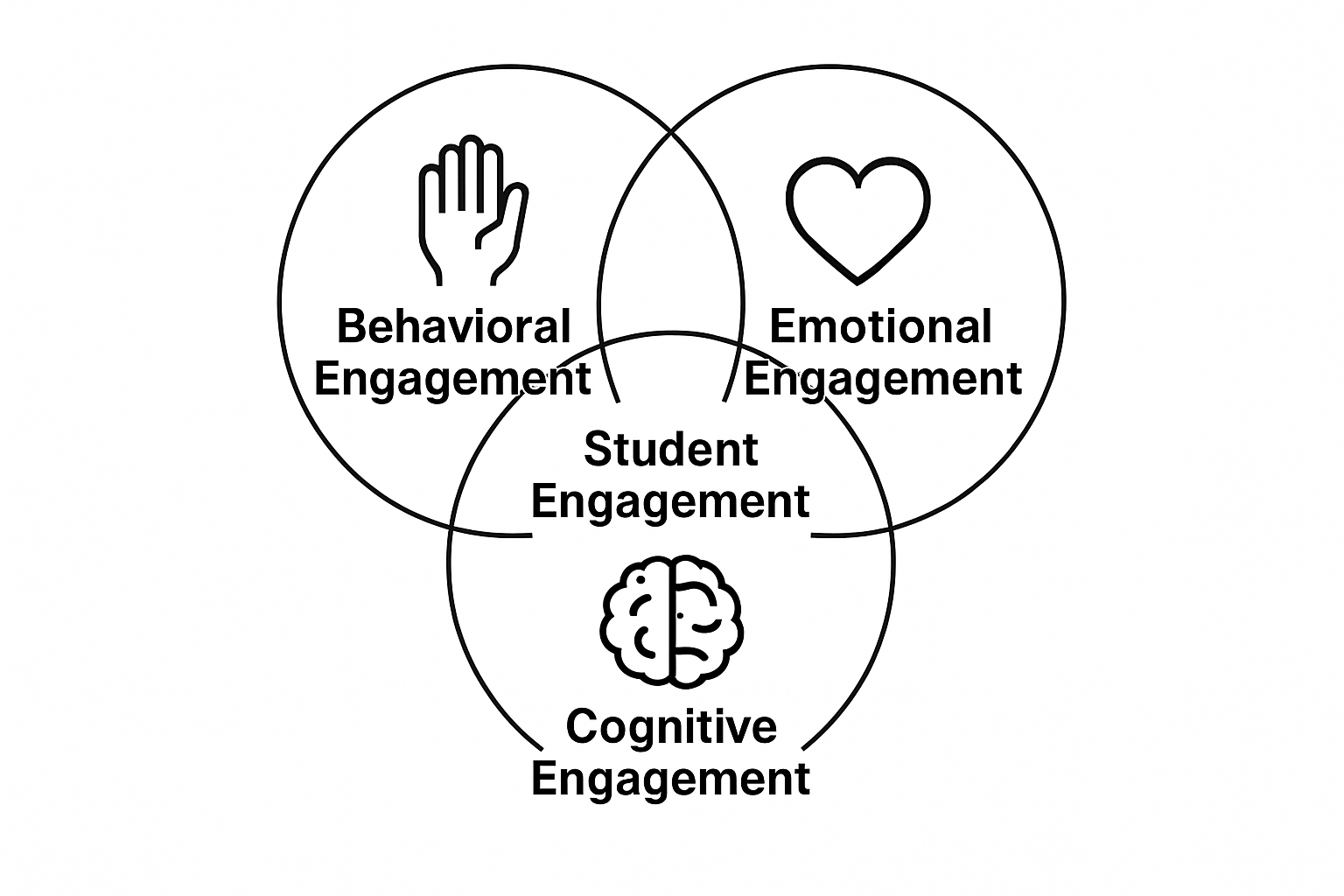
Core elements of comprehensive student engagement include:
- Behavioral Engagement: Active participation and positive conduct
- Emotional Engagement: Genuine interest and connection to learning
- Cognitive Engagement: Deep processing and intellectual investment
Creating Supportive Learning Environments
Effective student engagement requires intentionally designed learning spaces that encourage exploration, collaboration, and personal growth. Understanding interactive learning experiences becomes crucial in developing environments that motivate and inspire students to become active learners.
Successful engagement strategies focus on creating dynamic, responsive educational environments that recognize each student’s unique learning style, background, and potential.
The table below summarizes the three key dimensions of student engagement, providing definitions and key characteristics to clarify how each aspect contributes to effective learning.
| Dimension | Definition | Key Characteristics |
|---|---|---|
| Behavioral Engagement | Observable participation in academic and social activities | Class attendance, involvement, positive conduct |
| Emotional Engagement | Emotional investment and a sense of belonging in the learning environment | Interest, enjoyment, feeling valued and connected |
| Cognitive Engagement | Student’s investment in learning, understanding, and mastering complex ideas | Deep processing, critical thinking, self-regulation |
Transform Student Engagement with Dynamic Assemblies
Are you striving to create a truly connected school culture where students are not just present but deeply invested in learning? The article highlights the challenge of turning passive participation into genuine engagement, and pinpoints the need for emotional, behavioral, and cognitive investment from every student. Schools often struggle to spark this level of connection, and traditional methods rarely address the deeper issues of motivation, belonging, and real-world readiness.

Academic Entertainment brings you a proven solution. Our interactive assembly programs are designed to ignite interest and foster long-term academic and personal growth that your students crave. Imagine assemblies that go beyond entertainment to empower students through science, character education, cultural awareness, and more. Now is the time to reimagine your approach to engagement and ensure every student finds their place in a vibrant, inclusive school community. Explore detailed program options, see what makes our approach unique, and discover how to book your next assembly. Take the next step in building a thriving school culture right now with Academic Entertainment.
Frequently Asked Questions
What is student engagement?
Student engagement is a multidimensional concept that includes emotional, behavioral, and cognitive investment in the learning process, emphasizing active participation and genuine interest in academic activities.
Why is student engagement important for academic success?
Student engagement leads to improved academic performance, higher retention rates, and the development of essential skills like critical thinking and collaboration, which are crucial for long-term success.
How can schools foster effective student engagement?
Schools can foster student engagement by creating inclusive environments, encouraging collaborative decision-making, and designing supportive learning spaces that cater to diverse learning styles.
What are the long-term benefits of student engagement?
Engaged students are more likely to achieve higher graduation rates, develop strong professional skills, and experience personal growth, which can lead to enhanced career trajectories and socioeconomic mobility.
Recommended
- Understanding Interactive Learning Experiences for Educators – Academic Entertainment
- How to Encourage Students to Participate in School Activities – Academic Entertainment
- Understanding Benefits of Educational Entertainment for Parents – Academic Entertainment
- What Are Interactive Assemblies? Understanding Their Impact – Academic Entertainment