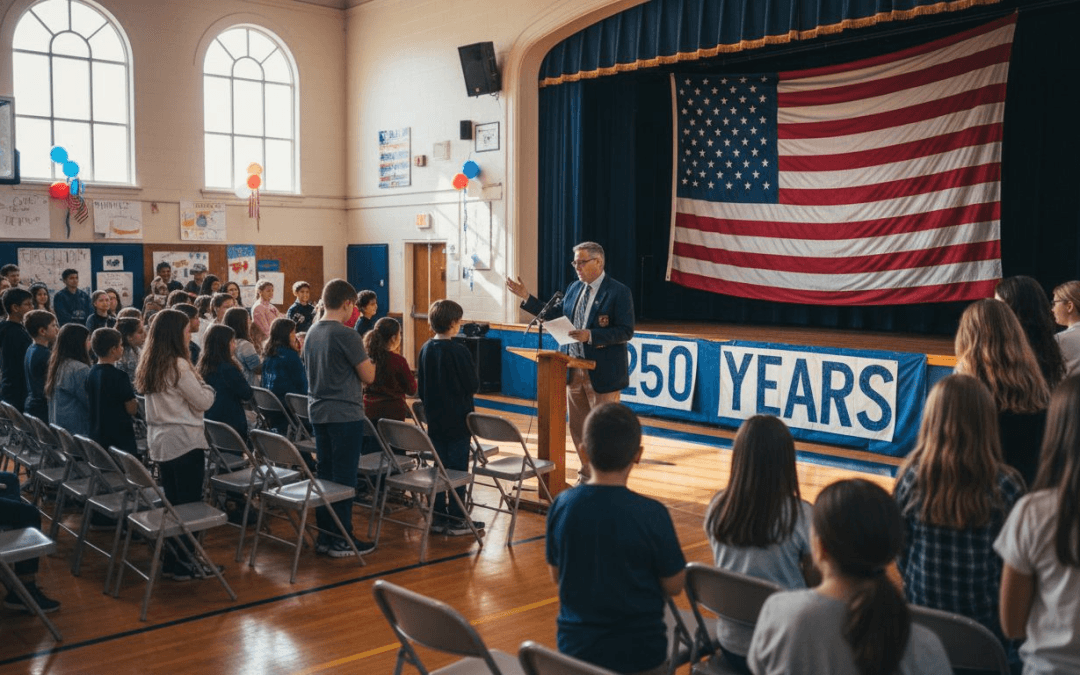
The challenge of making history truly resonate with students is more pressing than ever as schools plan for America’s 250th Anniversary. This milestone offers a powerful chance to reimagine assemblies as immersive experiences that deepen engagement with foundational texts like the Declaration of Independence, the Constitution, and the Bill of Rights. By combining interactive presentations with culturally rich storytelling, school administrators can create events that build civic knowledge and inspire meaningful connections to American heritage.
Key Takeaways
| Point | Details |
|---|---|
| Reinvigorate Civics Education | The 250th anniversary is an opportunity for schools to enhance civics education and engage students in understanding democratic principles. |
| Innovative Assembly Formats | Schools should adopt immersive and interactive formats to transform commemorative events into engaging learning experiences. |
| Cultural Inclusivity | Emphasizing diverse perspectives is essential to create a comprehensive understanding of American history among students. |
| Avoid Common Pitfalls | Schools must avoid superficial narratives by promoting critical thinking and embracing the complexities of historical events. |
The Purpose of 250th Anniversary School Assemblies
America’s upcoming 250th anniversary presents an unprecedented opportunity for schools to reimagine historical education and civic engagement. These commemorative assemblies are far more than celebratory events – they represent a critical moment to reinvigorate civics education across K-12 institutions.
The primary objectives of these anniversary assemblies encompass several crucial dimensions:
- Deepening students’ understanding of foundational democratic principles
- Exploring the complex narrative of American historical development
- Encouraging critical thinking about national identity and civic responsibility
- Connecting historical context to contemporary social challenges
Specifically, the U.S. Department of Education has emphasized assemblies that focus on core educational goals, including:
- Teaching students about America’s founding documents
- Explaining the constitutional framework of governance
- Promoting active citizenship and democratic participation
These events provide an immersive learning experience that goes beyond traditional classroom instruction. By creating interactive, engaging presentations, schools can transform historical commemoration into a powerful educational tool that inspires young Americans to understand and appreciate their national heritage.
The following table summarizes innovative ways schools can personalize 250th anniversary assemblies for deeper student engagement:
| Assembly Approach | Engagement Level | Student Benefit |
|---|---|---|
| Interactive workshops | High | Builds hands-on civic skills |
| Thematic performances | Moderate | Reinforces historical concepts |
| Multimedia storytelling | High | Enhances critical analysis |
| Community guest panels | High | Broadens cultural perspectives |
Cultural Significance
Beyond academic learning, these assemblies serve a broader social purpose. They help students develop a nuanced understanding of national identity, recognizing both the achievements and ongoing challenges in American society. Educational programs about civic principles can foster a sense of collective responsibility and mutual understanding.
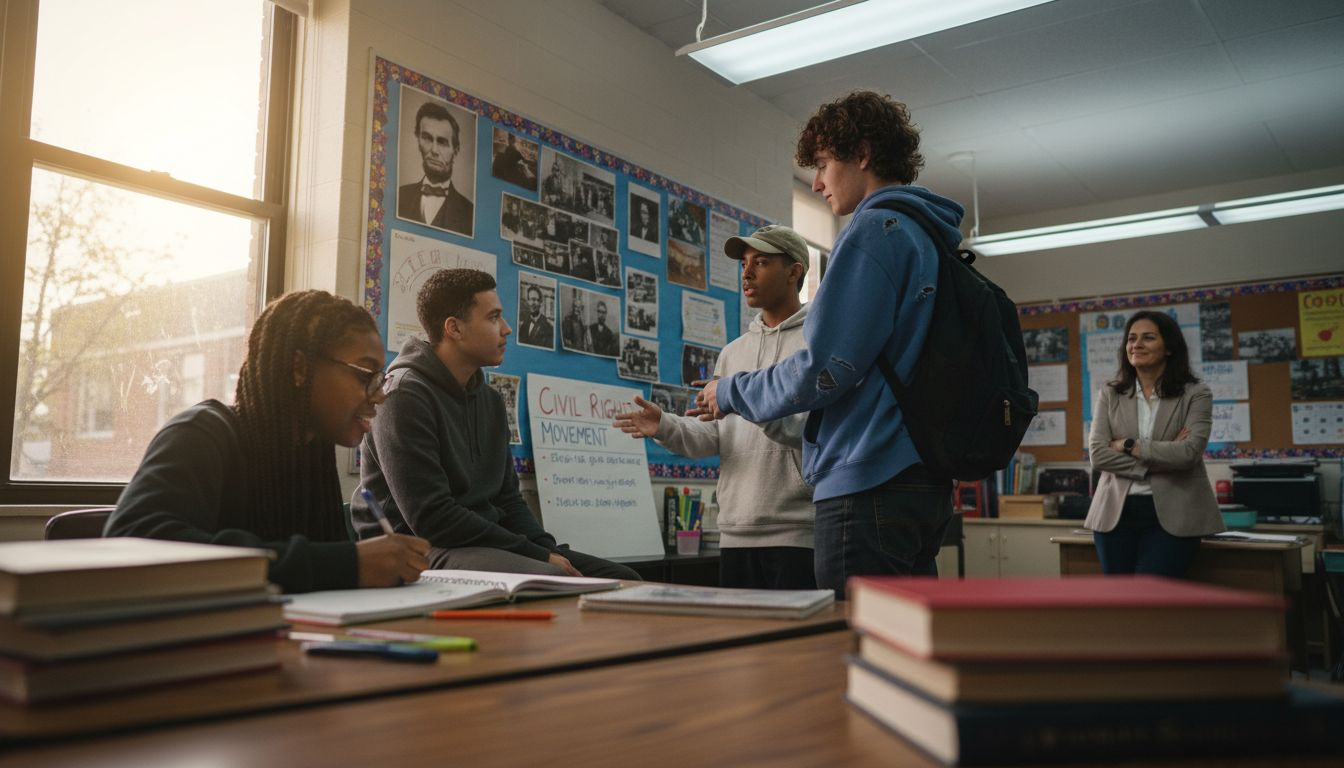
Pro tip: Design assembly programs that blend historical narrative with interactive elements to maximize student engagement and retention.
Showcase Programs: Engaging Student Performances
America’s 250th anniversary celebration offers schools a unique opportunity to design transformative student performances that bring historical learning to life. National programming initiatives are encouraging creative approaches that go far beyond traditional presentations.
Schools can develop engaging showcase programs through several dynamic strategies:
- Historical reenactments featuring student-led performances
- Multimedia presentations exploring American cultural diversity
- Musical and theatrical interpretations of significant historical moments
- Original artwork and video projects reflecting national identity
- Interactive storytelling sessions about local and national history
These performance types offer multiple benefits for student learning:
- Encourage deep historical research
- Develop public speaking and performance skills
- Foster creative interpretation of historical narratives
- Build teamwork and collaborative abilities
- Create meaningful connections to national heritage
Innovative Presentation Formats
Schools can leverage local and state engagement resources to design immersive experiences. The Making History at 250 Field Guide provides excellent frameworks for developing culturally rich, student-centered presentations that transform historical learning from passive observation to active participation.
Performance Design Principles
Successful anniversary performances should:
- Highlight diverse perspectives
- Encourage critical thinking
- Celebrate cultural complexity
- Inspire civic engagement
Pro tip: Create interdisciplinary performance teams that blend historical research, creative arts, and storytelling to maximize student engagement and learning.
Incorporating Cultural and Historical Perspectives
The 250th anniversary celebration demands a comprehensive approach to historical representation that goes beyond traditional narratives. Teaching with historic perspectives requires schools to develop nuanced, inclusive programs that reflect the true complexity of American history.
Critical elements of culturally responsive historical programming include:
- Acknowledging multiple cultural experiences
- Exploring complex historical narratives
- Challenging simplified historical interpretations
- Recognizing both national achievements and historical challenges
- Promoting dialogue about democratic ideals
Schools can implement these perspectives through several strategic approaches:
- Invite diverse guest speakers from different community backgrounds
- Use primary source documents from varied cultural perspectives
- Create comparative historical analysis projects
- Develop multimedia presentations highlighting underrepresented histories
- Facilitate student-led discussions about historical complexities
Inclusive Historical Representation
The Semiquincentennial Commission’s approach emphasizes creating educational experiences that allow students to see themselves within the broader national narrative. This means moving beyond single-perspective storytelling and embracing a more comprehensive understanding of American history.
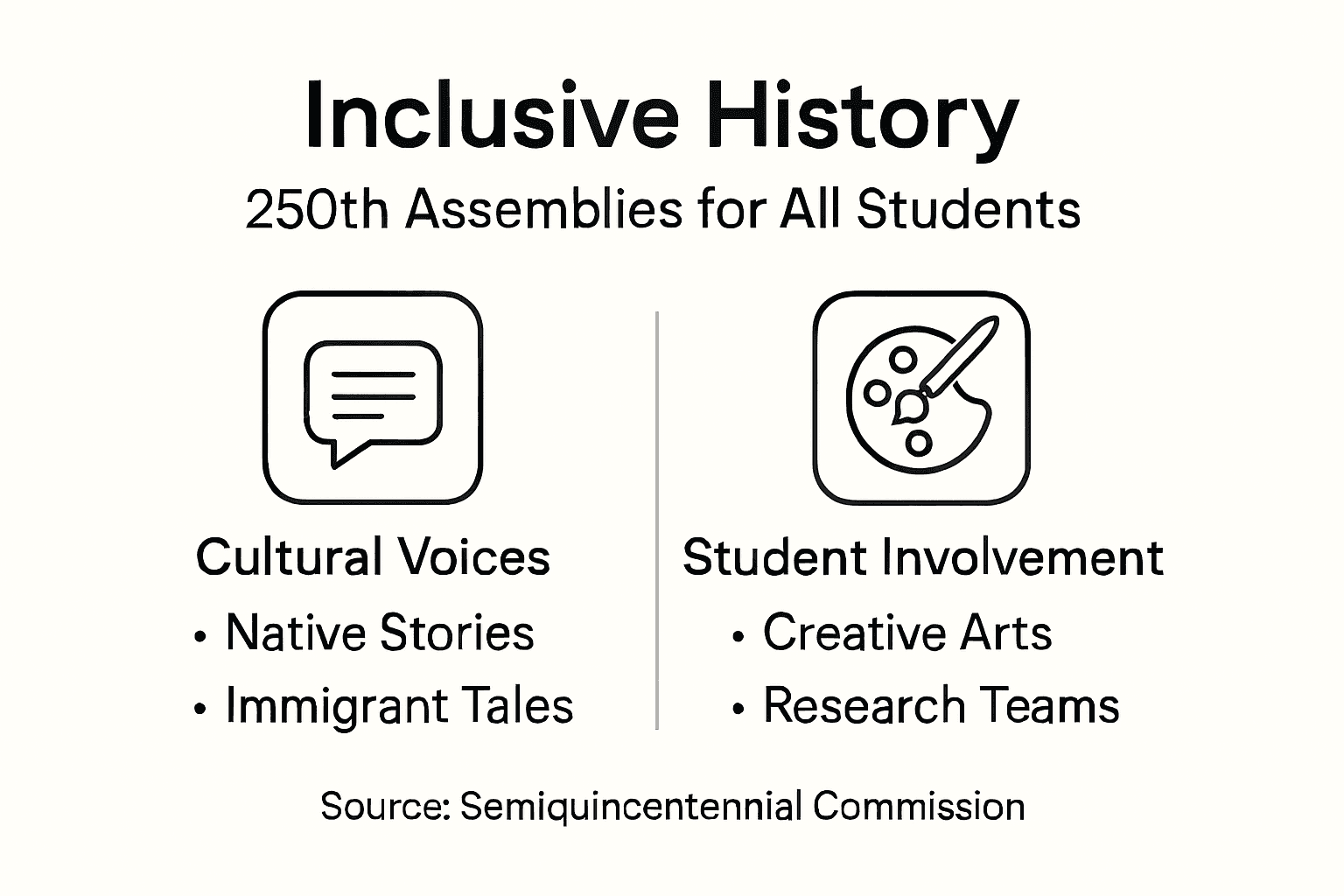
Engagement Strategies
Successful cultural incorporation requires:
Here’s a comparison of strategies for incorporating cultural and historical perspectives in school events:
| Strategy | Inclusivity Impact | Challenges |
|---|---|---|
| Diverse guest speakers | Fosters empathy and understanding | Scheduling, representation |
| Comparative analysis projects | Promotes critical thinking | Guidance, resource access |
| Student-led discussions | Encourages active participation | Facilitator skill required |
- Authentic representation
- Respectful exploration
- Critical thinking
- Empathetic understanding
- Ongoing dialogue
Pro tip: Design collaborative projects that encourage students to research and present multiple historical perspectives, fostering deeper understanding and critical engagement.
Strategies for Memorable and Impactful Events
Creating extraordinary school assemblies for America’s 250th anniversary requires thoughtful planning and innovative approaches. Comprehensive event strategies provide schools with frameworks to transform commemorative events from ordinary presentations into transformative learning experiences.
Key strategic elements for designing memorable events include:
- Developing immersive narrative frameworks
- Integrating multimedia presentations
- Creating interactive student participation opportunities
- Leveraging technology and storytelling techniques
- Connecting historical content to contemporary relevance
Schools can implement impactful commemoration strategies through:
- Developing thematic storytelling approaches
- Utilizing primary historical documents
- Designing collaborative student research projects
- Incorporating multisensory presentation techniques
- Facilitating meaningful student reflections
Engagement Methodology
Humanities-based programming approaches emphasize creating deeper connections between students and historical narratives. These methods transform traditional assemblies into dynamic exploration experiences that invite critical thinking and personal reflection.
Event Design Principles
Successful commemorative events should:
- Provoke curiosity
- Challenge existing perspectives
- Encourage active learning
- Inspire personal connections
- Create memorable experiences
Pro tip: Design assembly programs that blend scholarly rigor with creative storytelling, ensuring students become active participants rather than passive listeners.
Common Mistakes and How to Avoid Them
Preparing school assemblies for America’s 250th anniversary requires careful navigation to prevent common educational pitfalls. Historical commemoration strategies demand nuanced approaches that move beyond simplistic narratives and superficial celebrations.
Most frequent mistakes in anniversary programming include:
- Presenting sanitized historical accounts
- Overlooking contributions from marginalized groups
- Creating passive, lecture-style presentations
- Avoiding complex historical conversations
- Treating the anniversary as mere patriotic pageantry
Schools can proactively address these challenges through:
- Embracing inclusive historical storytelling
- Featuring diverse perspectives
- Developing interactive learning experiences
- Encouraging critical student reflection
- Connecting historical narratives to contemporary contexts
Narrative Complexity
Commemorative event challenges require educators to balance celebration with honest historical examination. This means creating programs that acknowledge both national achievements and historical struggles, fostering deeper understanding rather than superficial glorification.
Avoiding Educational Pitfalls
Successful anniversary programs should:
- Promote intellectual curiosity
- Embrace historical nuance
- Encourage student-led inquiry
- Challenge simplistic narratives
- Create space for multiple perspectives
Pro tip: Develop assembly content that invites questions and critical thinking, transforming commemorative events from static presentations into dynamic learning opportunities.
Transform Your School’s 250th Anniversary Assembly Into an Unforgettable Learning Experience
America’s 250th anniversary presents both an exciting opportunity and a challenge for K-12 schools aiming to create assemblies that inspire critical thinking, cultural inclusivity, and active citizenship. The article highlights common hurdles, such as avoiding passive presentations and embracing diverse historical perspectives while fostering engagement through interactive storytelling and student participation. Schools need programs that bring history to life, encourage civic responsibility, and connect foundational democratic principles to today’s world.
Academic Entertainment offers exactly the tailored solutions educators seek to meet these goals. With over 40 years of experience delivering dynamic, educational assembly programs — including character education, cultural performances, and interactive shows — our offerings help schools craft meaningful commemorations that students remember long after the event. Our variety of live and virtual programs allows you to customize themes and integrate multidisciplinary storytelling that aligns perfectly with the rich historical and cultural narratives essential to America’s 250th anniversary.
Here are several assembly shows that would work well with the 250th anniversary of America:
Uncle Sam’s Comedy Jam
Unique Game Show
Art of Inspiration
Dare to Draw
Once Upon A Toon
Diversity Circus
Tales From A Bicycle Seat
Native Americans with Marty Hight
Why settle for ordinary when your assembly can be a catalyst for curiosity and civic pride? Discover exciting program options designed to bring history, culture, and values into vibrant focus.
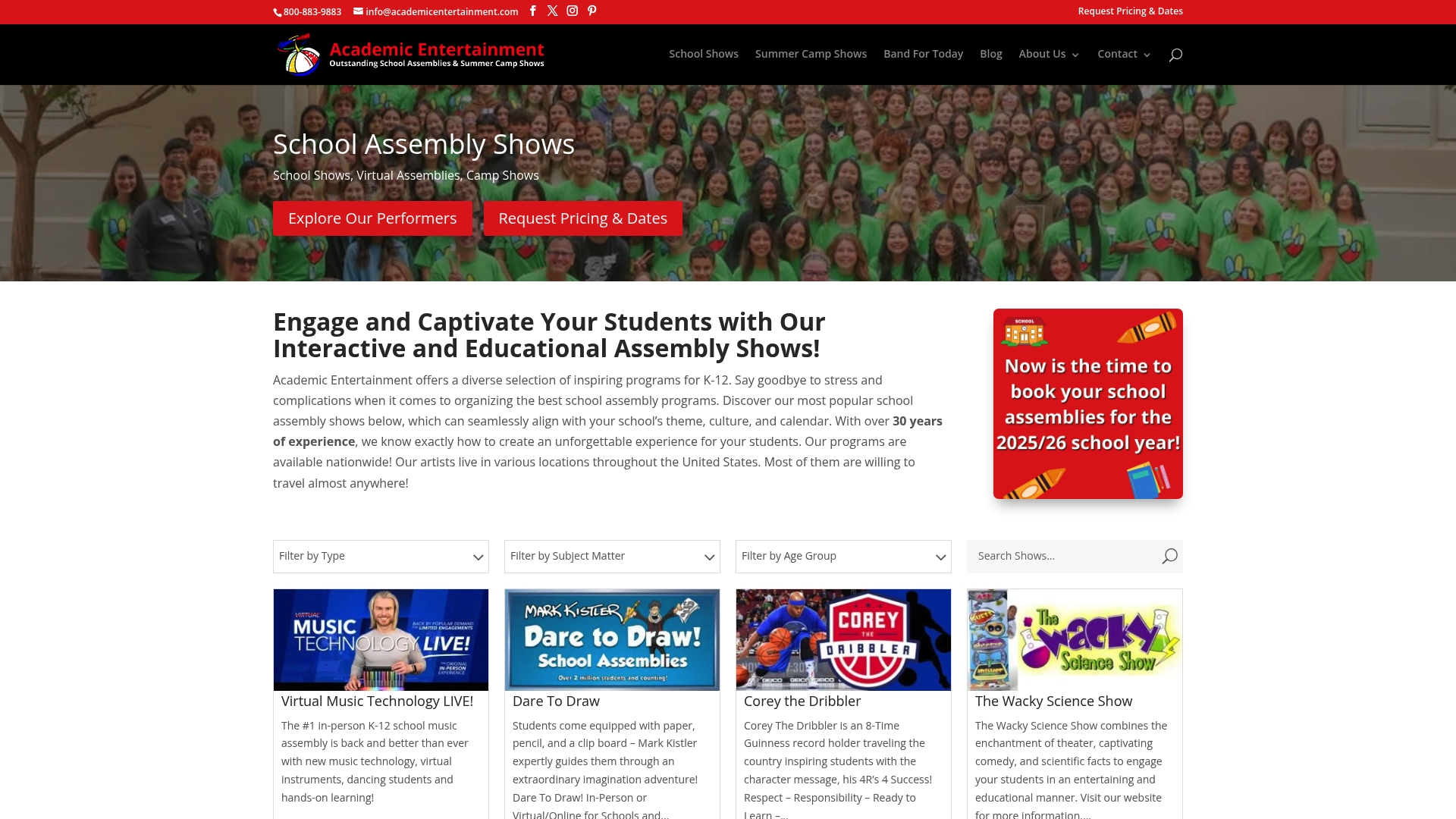
Elevate your school’s 250th anniversary celebration with engaging educational entertainment from Academic Entertainment. Explore our diverse shows, book your next assembly today, and give your students a powerful experience that fosters understanding, empathy, and active citizenship. Visit Academic Entertainment’s official website to get started now.
Frequently Asked Questions
How can schools make the 250th anniversary assemblies more engaging for students?
To enhance student engagement, schools can incorporate interactive workshops, thematic performances, multimedia storytelling, and community guest panels into their assemblies. This hands-on approach allows students to connect more deeply with historical content.
What educational goals should be prioritized during the 250th anniversary school assemblies?
The primary educational goals should focus on teaching students about America’s founding documents, explaining the constitutional framework, and promoting active citizenship and democratic participation.
How can schools incorporate diverse historical perspectives in their anniversary assemblies?
Schools can invite guest speakers from various cultural backgrounds, utilize primary source documents that reflect diverse experiences, and create projects that promote comparative historical analysis to ensure inclusive representation of American history.
What common mistakes should schools avoid when planning their anniversary events?
Schools should avoid presenting sanitized historical accounts, overlooking contributions from marginalized groups, creating passive presentations, and treating the anniversary as mere patriotic pageantry. Instead, they should embrace complexity and encourage critical discussions around the past.
Recommended
- Uncle Sam’s Comedy Jam School Assembly Meets Federal Mandate for Constitution Education – Academic Entertainment
- How Long Should An Assembly Take? – Academic Entertainment
- The End-of-Year School Assembly: A Fest for the Love of Reading – Academic Entertainment