
Most educators hear “K-12 programming” and immediately picture teenagers typing Python code in a high school computer lab. That mental image misses the bigger story. K-12 programming builds logical thinking and digital literacy across every grade level, from kindergarten pattern recognition to advanced software design in senior year. It is a structured, age-progressive approach to developing critical thinking, creativity, and real-world problem solving. Understanding what it actually includes and how it works at each stage can transform the way your school approaches student engagement and long-term learning outcomes.
Key Takeaways
| Point | Details |
|---|---|
| Broader than coding | K-12 programming builds digital literacy and problem-solving skills across all grade levels. |
| Varied teaching approaches | Blending unplugged and plugged activities ensures accessibility and maximum student engagement. |
| Positive student outcomes | Research links programming to stronger cognitive abilities and higher classroom participation. |
| Implementation matters | Effective K-12 programming requires teacher training, equity-focused tools, and ongoing outcome tracking. |
Defining K-12 Programming: Concepts and Outcomes
Before selecting instructional methods, it is essential to understand what K-12 programming really means and why it matters. The term is broader than most people assume.
K-12 programming integrates coding, computational thinking, and related concepts throughout the full K-12 curriculum. It is not a single subject dropped into a schedule. It is a thread woven through science, math, language arts, and even social studies. That cross-curricular nature is what makes it so powerful.
Here is what modern K-12 programming actually covers:
- Computational thinking: Breaking problems into smaller, manageable steps
- Digital literacy: Understanding how technology works and how to use it responsibly
- Algorithm design: Creating logical sequences to solve problems
- Data analysis: Reading, interpreting, and drawing conclusions from information
- Coding: Writing actual code in block-based or text-based languages
The progression matters enormously. In kindergarten through second grade, students work with logic puzzles and sequencing games. By third through fifth grade, they move into block-based visual coding. Middle school introduces more structured programming languages, and high school students tackle real-world applications aligned with computer science standards designed to prepare them for college and careers.
“Programming education is not about producing coders. It is about producing thinkers who can navigate a technology-driven world with confidence and creativity.”
The outcomes extend well beyond technical skill. Students who engage with programming from an early age demonstrate stronger problem-solving habits, better persistence when facing difficult tasks, and higher engagement with academic content overall. Schools that incorporate virtual STEM shows and edtech programs alongside classroom instruction often see these benefits amplified. For a broader look at how this fits into modern learning, the STEAM education guide offers practical context for administrators building a cohesive program.
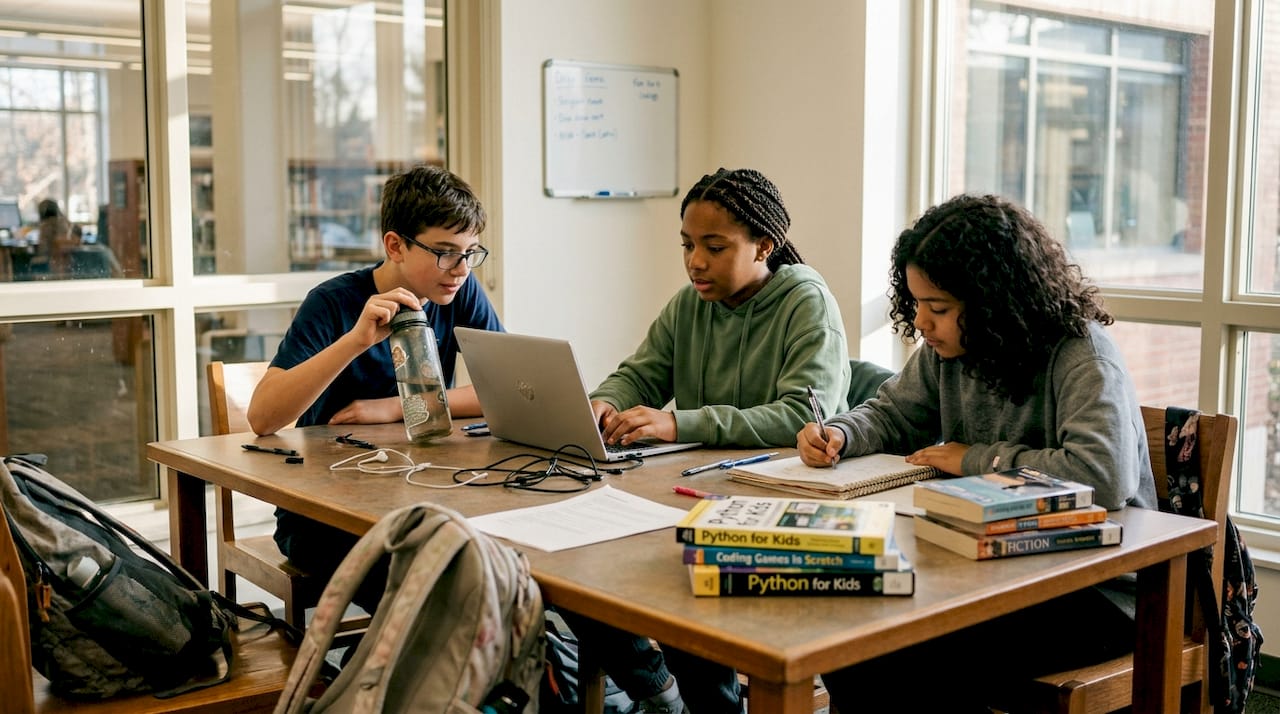
The bottom line is that K-12 programming is a mindset shift, not just a curriculum add-on. When schools treat it as foundational, students at every grade level benefit.
Key Methodologies: From Unplugged to Hands-On Coding
With K-12 programming defined, let’s look at the diverse ways it comes to life in classrooms and their relative impact.
Core K-12 programming methodologies include unplugged activities, visual block-based programming, and text-based coding such as Python. Each approach serves a different developmental stage and learning goal.
The three main approaches ranked by grade suitability:
- Unplugged activities (PreK through grade 3): Students use physical cards, body movement, and group games to practice sequencing and logic. No devices required. This is ideal for building foundational concepts before screens enter the picture.
- Block-based coding (grades 2 through 6): Platforms like Scratch and Blockly let students drag and drop visual code blocks. The logic is real, but the syntax barrier is removed. Students see immediate, visual results from their decisions.
- Text-based coding (grades 6 through 12): Python, JavaScript, and similar languages introduce real-world programming. Students write actual syntax, debug errors, and build functional projects.
| Methodology | Best grade range | Key benefit | Common tools |
|---|---|---|---|
| Unplugged | PreK to grade 3 | Concept building without tech barriers | Cards, games, movement |
| Block-based | Grades 2 to 6 | Visual logic and immediate feedback | Scratch, Blockly |
| Text-based | Grades 6 to 12 | Real-world application and critical thinking | Python, JavaScript |
Many effective teachers blend all three methods across grade levels. A fifth-grade class might start a unit with an unplugged sorting challenge, then move to Scratch to automate the same logic, and finally read a simple Python script that does the same task. That layered approach builds genuine understanding rather than surface familiarity.
Pro Tip: If your school is just starting out, the free Code.org curriculum offers structured, grade-by-grade lessons that work with or without devices. It is one of the most accessible entry points available.
For schools looking to make programming exciting beyond the classroom, math assemblies and engaging elementary ideas can reinforce these concepts in memorable, high-energy formats that students talk about long after the event.
Measuring Impact: Student Outcomes and Evidence
Understanding teaching methods is key, but what does the evidence say about actual outcomes for students and schools?
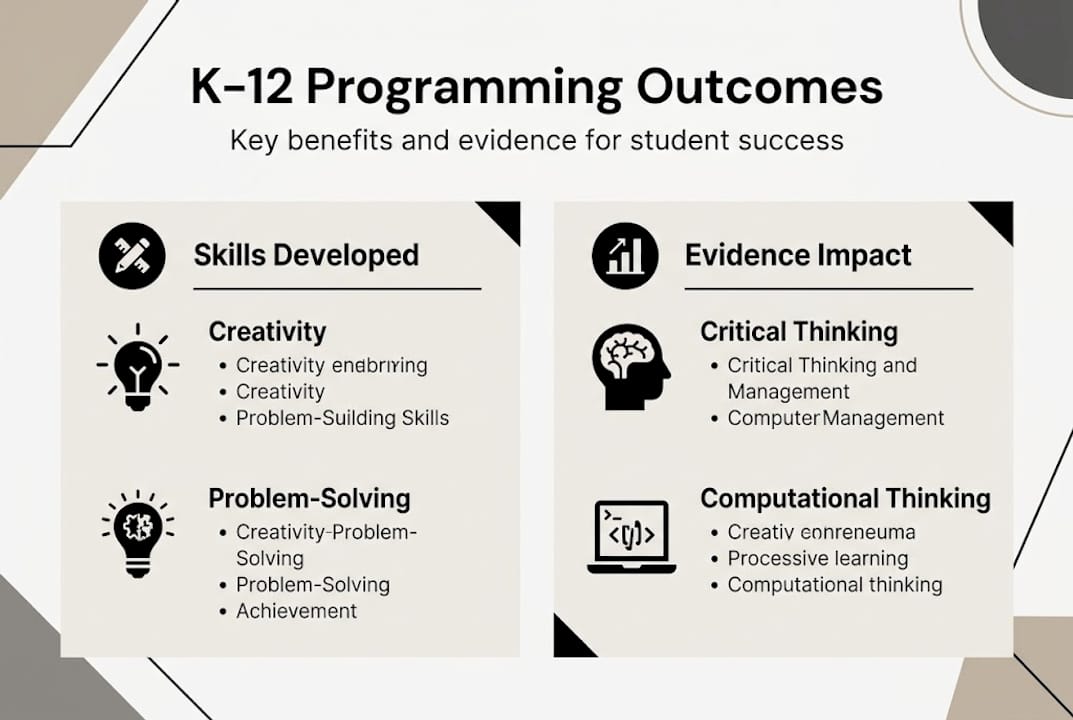
CS curricula raise computational thinking and engagement, while programming improves student cognitive abilities. That finding from longitudinal evaluation research gives administrators a strong evidence base for investing in programming.
Here is what the data consistently shows:
- Students with early programming exposure demonstrate stronger logical reasoning in math and science
- Plugged activities, especially Scratch-based projects, outperform unplugged methods on concept mastery for students in grade 5 and above
- Competency-based programming exposure produces better long-term skill retention compared to one-time introductory units
- Engagement scores rise when students have agency over project topics and outcomes
“The most significant gains appear not from isolated coding lessons, but from sustained, project-based programming integrated across the school year.”
| Outcome area | Evidence strength | Notes |
|---|---|---|
| Computational thinking | Strong | Consistent gains across grade levels |
| Problem-solving skills | Strong | Especially in project-based settings |
| Academic test scores | Mixed | Varies by implementation quality |
| Student engagement | Moderate to strong | Higher when projects are student-driven |
| Career readiness | Emerging | Long-term tracking still limited |
The mixed results on test scores deserve honest attention. Programming does not automatically raise reading or math scores. What it does is build the kind of flexible thinking that supports learning across subjects. Schools that treat programming as a magic fix for academic performance will be disappointed. Schools that treat it as a long-term investment in student capability will see real returns.
Exploring educational programming examples from schools that have integrated these approaches can help administrators visualize what success looks like in practice.
Challenges and Opportunities for Implementation
Even with proven benefits, launching or growing K-12 programming is not without obstacles. Here are key considerations and solutions.
Implementation challenges include teacher professional development, equity issues, and balancing programming with standard curricula. Knowing these barriers ahead of time lets you plan around them rather than stumble into them.
The most common obstacles schools face:
- Teacher readiness: Many educators feel underprepared to teach programming, even at a basic level. Ongoing professional development is not optional. It is the foundation of any successful rollout.
- Device and internet access: Students without reliable devices or connectivity at home fall behind quickly. Schools must assess access gaps before scaling up programming expectations.
- Curriculum crowding: Adding programming without removing or integrating other content creates overload. The most successful schools weave programming into existing subjects rather than treating it as a separate add-on.
- Overemphasis on syntax: Schools that focus only on code writing miss the broader goal. Digital citizenship, societal impact of technology, and ethical use of data should be part of every programming program.
Pro Tip: Start with a pilot program in two or three classrooms before school-wide rollout. Collect teacher feedback, student assessment data, and parent input after the first semester. Use that data to refine the approach before scaling.
Tracking results matters from day one. Set up simple systems to monitor enrollment in programming courses, pre- and post-assessment scores, and student and teacher satisfaction surveys. Without measurement, you cannot improve.
For inspiration on how to build excitement around new learning initiatives, elementary assembly ideas, and reading event strategies show how schools use events to build momentum around academic programs. The MIT K-12 resources page also offers free tools and guidance for schools at any stage of implementation.
Perspective: Moving Beyond Buzzwords—What Truly Works in K-12 Programming
After years of watching schools launch programming initiatives with great fanfare and mixed results, one pattern stands out clearly. The schools that succeed are not the ones with the fanciest tools or the biggest budgets. They are the ones who treat programming as a culture, not a course.
The biggest mistake we see is schools chasing the latest coding trend, whether it is a new app, a robotics kit, or a popular platform, without asking what learning outcomes they are actually targeting. Technology changes fast. The thinking skills that programming builds do not.
What actually works is a focus on holistic digital literacy over code syntax, project-based learning that crosses subject boundaries, and teachers who feel genuinely supported rather than thrown into unfamiliar territory. Inclusiveness matters too. Programming education that works only for students who already have tech access at home is not equity. It is a gap dressed up as an opportunity.
Regular outcome monitoring and a willingness to adapt are non-negotiable. Understanding virtual school programming options can also expand what is possible for schools with resource constraints. The schools winning at K-12 programming are the ones asking hard questions about results and adjusting without ego.
Extend Student Learning With Innovative STEM Assemblies and Programs
Ready to take the next step in making K-12 programming engaging and effective for your students?
At Academic Entertainment, we have spent over 40 years helping schools create memorable learning experiences that stick. Our STEM school assemblies are designed to complement classroom programming instruction with high-energy, hands-on experiences that bring concepts to life in front of the whole student body.
Whether you are looking to launch a new initiative or reinforce an existing one, our special events assemblies can be customized to fit your school’s goals, grade levels, and schedule. Contact us today to explore options that align with your K-12 programming vision and get your students genuinely excited about learning.
Frequently Asked Questions
At what age should students start learning programming?
Students can begin computational thinking as early as kindergarten through unplugged activities and visual tools that build logic without requiring any devices or prior tech experience.
What is the difference between unplugged and plugged programming methods?
Unplugged methods are device-free and focus on logic and problem-solving through physical activities, while plugged approaches use computers and software for interactive, hands-on coding experiences.
Does teaching programming improve test scores or academic performance?
Programming boosts cognitive skills and computational thinking consistently, though the impact on standardized test scores varies depending on how well the program is implemented and sustained over time.
What challenges do schools face with K-12 programming?
Common barriers include insufficient teacher training, unequal device access, and the difficulty of integrating new programming content without crowding out core academic subjects.
How can schools ensure equity in programming education?
Schools should prioritize inclusive tools and teacher preparation to close access gaps and ensure that students from all backgrounds can participate fully in programming education.
Recommended