Educational programs are changing faster than ever and some schools are seeing results that few expected. STEAM programs increase student engagement and learning outcomes by integrating science, technology, engineering, arts, and math in ways that break old subject boundaries. Most people think after-school tutoring and digital workshops are just add-ons. In reality, these are now essential tools that shape confident, skilled students and turn entire schools into creative hubs for real-world learning.
Table of Contents
- Community-Based Learning Programs
- STEAM Education Initiatives
- After-School Tutoring Programs
- Parent-Teacher Collaboration Projects
- Digital Literacy Training Workshops
- Character Education Programs
- Environmental Education Camps
- Mentorship Programs For Students
- Inclusive Education Strategies
- International Exchange Programs
Quick Summary
| Takeaway | Explanation |
|---|---|
| Community engagement enhances student learning | Participating in local projects teaches students practical skills while addressing community needs. |
| Interdisciplinary learning promotes critical thinking | STEAM education encourages innovative problem-solving by integrating diverse subjects and real-world applications. |
| After-school programs boost academic performance | Personalized tutoring helps students overcome challenges and improves self-confidence in their abilities. |
| Parent-teacher collaboration enhances student success | Regular engagement between educators and families fosters better communication and shared educational goals. |
| Digital literacy is essential for modern students | Training workshops equip students with crucial skills for navigating and evaluating online resources responsibly. |
1: Community-Based Learning Programs
Community-based learning programs represent a transformative approach to education that extends learning beyond traditional classroom walls. These innovative programs connect students directly with local environments, organizations, and community resources to create meaningful, real-world learning experiences.
These educational initiatives focus on integrating academic knowledge with practical community engagement. Students actively participate in local projects, service learning, and collaborative problem-solving that addresses genuine community needs. By doing so, they develop critical skills such as teamwork, communication, and civic responsibility.
Key characteristics of successful community-based learning programs include:
Direct engagement with local organizations
Hands-on problem-solving experiences
Meaningful connections between academic curriculum and community challenges
Opportunities for student leadership and personal growth
Research from Stanford Social Innovation Review demonstrates that these programs significantly enhance student motivation and learning outcomes. Students who participate in community-based learning often show increased academic performance, stronger interpersonal skills, and a deeper understanding of social dynamics.
Schools implementing these programs create powerful learning ecosystems where education becomes a collaborative process. Our guide on group learning offers additional insights into how collaborative experiences can transform student engagement and educational effectiveness.
By bridging classroom theory with practical community experiences, these programs prepare students not just academically, but as informed, active citizens ready to contribute meaningfully to society.
2: STEAM Education Initiatives
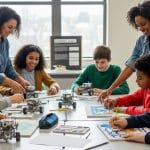
STEAM education initiatives represent a powerful approach to interdisciplinary learning that integrates science, technology, engineering, arts, and mathematics into a comprehensive educational framework. These programs go beyond traditional subject boundaries, encouraging students to think critically, solve complex problems, and develop innovative solutions.
Modern education demands more than isolated academic disciplines. STEAM initiatives create dynamic learning environments where students explore interconnected concepts, developing skills that are crucial for future careers and technological advancement.
Key elements of successful STEAM programs include:
Interdisciplinary project-based learning
Real-world problem solving techniques
Collaborative learning experiences
Technology integration across multiple domains
According to National Science Teaching Association, these programs significantly enhance student engagement by making learning more interactive and meaningful. Students learn to approach challenges with creativity, analytical thinking, and practical application.
Energize your schools with STEAM educational assemblies can provide exciting opportunities to spark student interest in these critical learning areas. These interactive experiences help transform abstract concepts into tangible, exciting learning moments.
By breaking down traditional academic silos, STEAM education prepares students for a rapidly evolving world where innovation and adaptability are essential skills. These initiatives empower learners to become creative problem solvers, critical thinkers, and future technological innovators.
3: After-School Tutoring Programs
After-school tutoring programs provide targeted academic support that extends learning beyond traditional classroom hours. These specialized programs offer personalized attention to students who need additional help or want to advance their academic skills.
Tutoring initiatives address individual learning gaps, helping students build confidence and overcome academic challenges. They create safe, supportive environments where students can receive focused instruction tailored to their specific educational needs.
Essential components of effective after-school tutoring programs include:
Individualized learning plans
Small group or one-on-one instruction
Flexible scheduling
Subject-specific expertise
Research from the National Center for Education Statistics demonstrates that structured after-school tutoring significantly improves student academic performance, particularly for students from disadvantaged backgrounds.
Explore the benefits of after-school programs to understand how these initiatives can transform student learning experiences. These programs not only support academic growth but also provide crucial developmental opportunities outside traditional classroom settings.
By offering targeted academic support, after-school tutoring programs help students develop stronger study skills, boost academic confidence, and create personalized pathways to educational success. They serve as critical resources for students seeking additional academic guidance and support.
4: Parent-Teacher Collaboration Projects
Parent-teacher collaboration projects represent a transformative approach to education that bridges the gap between home and school learning environments. These innovative initiatives recognize that student success depends on a holistic support system involving both educators and families.
By creating structured opportunities for parents to engage directly with educational processes, these projects foster a more comprehensive understanding of student development. Meaningful collaboration goes beyond traditional parent-teacher conferences, establishing ongoing dialogues and shared educational goals.
Key elements of successful parent-teacher collaboration include:
Regular communication channels
Joint learning workshops
Shared goal setting for student progress
Mutual respect and transparent feedback
According to Harvard Family Research Project, strong parent-school partnerships significantly improve student academic performance and social-emotional development. When parents actively participate in educational strategies, students demonstrate higher motivation and improved learning outcomes.
Learn how to encourage student participation in collaborative learning environments. These projects create powerful synergies between home and school, transforming traditional educational models.
Successful collaboration projects empower parents as active educational partners, providing them with insights, tools, and strategies to support their children’s learning journey. By breaking down communication barriers, these initiatives create a supportive ecosystem that nurtures student growth and academic potential.
5: Digital Literacy Training Workshops
Digital literacy training workshops have become essential educational programs addressing the critical need to prepare students for a technology-driven world. These comprehensive initiatives go beyond basic computer skills, teaching students how to navigate, evaluate, and effectively utilize digital technologies and online resources.
In an era of rapid technological advancement, digital literacy is no longer optional but a fundamental skill set for academic and professional success. These workshops provide students with the knowledge and confidence to engage responsibly and effectively with digital platforms.
Essential components of effective digital literacy training include:
Cybersecurity awareness
Critical online information evaluation
Responsible digital communication
Technology skill development
Research from Pew Research Center demonstrates that comprehensive digital skills training significantly improves students’ ability to navigate complex digital landscapes and protect themselves online.
Our virtual school programs offer innovative approaches to digital learning that complement traditional training workshops. By integrating practical experiences with theoretical knowledge, these programs create holistic digital education environments.
Successful digital literacy workshops transform students from passive technology consumers into active, informed digital citizens. They equip learners with the skills necessary to critically analyze online information, protect their digital identities, and leverage technology for learning, communication, and problem-solving.
6: Character Education Programs
Character education programs represent a critical approach to developing students’ moral and ethical foundations beyond traditional academic learning. These comprehensive initiatives focus on nurturing essential life skills, social-emotional intelligence, and core values that prepare students to become responsible, empathetic citizens.
Unlike traditional academic programs, character education emphasizes holistic personal development. These programs intentionally create learning environments that foster integrity, respect, compassion, and personal accountability.
Key elements of effective character education include:
Promoting ethical decision making
Developing emotional intelligence
Encouraging community engagement
Building personal resilience
According to Character.org, well-implemented character education programs significantly improve student behavior, academic performance, and long-term social outcomes.
Explore our comprehensive character education examples to understand the transformative potential of these programs. By integrating structured lessons on values, ethical reasoning, and interpersonal skills, schools can create powerful learning experiences that extend far beyond traditional curriculum.
Successful character education programs recognize that academic knowledge alone is insufficient. They aim to cultivate young people who are not just intellectually capable, but also emotionally intelligent, socially aware, and committed to positive personal and community growth.
7: Environmental Education Camps
Environmental education camps provide immersive learning experiences that transform students’ understanding of ecological systems, sustainability, and human interactions with natural environments. These innovative programs move beyond traditional classroom instruction, offering hands-on opportunities for students to directly engage with environmental concepts and conservation strategies.
These camps create powerful learning ecosystems where students explore scientific principles, ecological relationships, and personal responsibilities toward environmental stewardship. Participants develop critical thinking skills while gaining practical knowledge about environmental challenges and potential solutions.
Key components of successful environmental education camps include:
Direct ecological field research
Hands-on conservation projects
Sustainable living skill development
Interdisciplinary learning approaches
Research from the North American Association for Environmental Education indicates that experiential environmental programs significantly improve students’ environmental literacy and ecological awareness.
Discover the amazing benefits of summer camp experiences that can complement environmental learning. These programs not only educate but also inspire young people to become active environmental stewards.
Successful environmental education camps recognize that ecological understanding requires more than theoretical knowledge. By providing immersive, interactive experiences, these programs cultivate a generation of informed, passionate individuals committed to protecting and preserving our planet’s complex and interconnected ecosystems.
8: Mentorship Programs for Students
Mentorship programs create powerful learning connections that bridge academic knowledge with real-world professional insights. These transformative educational initiatives pair students with experienced professionals who provide guidance, support, and personalized career development strategies.
By establishing meaningful relationships between students and accomplished mentors, these programs go beyond traditional classroom learning. Mentors offer unique perspectives, helping students navigate complex academic and professional landscapes while building critical interpersonal skills and professional networks.
Key elements of successful mentorship programs include:
Structured one-on-one guidance
Career pathway exploration
Personal and professional skill development
Confidence building through professional relationships
According to National Mentoring Partnership, well-designed mentorship programs significantly improve students’ academic performance, career readiness, and long-term professional prospects.
Explore how motivational speaking can inspire youth to understand complementary approaches to student development. These programs create supportive environments where students can learn from experienced professionals who have navigated similar challenges.
Successful mentorship programs recognize that education extends far beyond textbooks and classroom lectures. By connecting students with inspirational role models, these initiatives provide invaluable insights, emotional support, and practical guidance that can shape students’ future trajectories and professional aspirations.
9: Inclusive Education Strategies
Inclusive education strategies represent a transformative approach to learning that ensures every student can access, participate, and succeed in educational environments regardless of their background, ability, or individual differences. These comprehensive programs focus on creating welcoming, adaptable learning spaces that recognize and celebrate student diversity.
By implementing flexible teaching methods and personalized support systems, inclusive education moves beyond traditional one-size-fits-all approaches. These strategies actively remove barriers, provide targeted accommodations, and create learning environments where every student feels valued and empowered.
Key components of successful inclusive education strategies include:
Universal design for learning
Individualized learning plans
Adaptive technology integration
Culturally responsive teaching methods
Research from the UNESCO International Bureau of Education demonstrates that comprehensive inclusive strategies significantly improve academic outcomes and social integration for all students.
Explore interactive learning experiences that complement inclusive education approaches. These methods recognize that learning is a dynamic, personalized journey that requires flexibility, empathy, and innovative instructional techniques.
Successful inclusive education strategies understand that diversity is not a challenge to overcome, but a rich resource to leverage. By creating educational environments that welcome, support, and celebrate individual differences, these programs prepare students to thrive in an increasingly complex and interconnected global society.
10: International Exchange Programs
International exchange programs offer transformative educational experiences that transcend geographical boundaries, providing students with unprecedented opportunities to develop global perspectives and cross-cultural understanding. These comprehensive initiatives create powerful learning environments where students directly engage with different cultures, languages, and educational systems.
Beyond traditional academic learning, these programs cultivate critical skills such as intercultural communication, adaptability, and global citizenship. Students participating in exchange programs develop profound insights into diverse social contexts, challenging their preconceptions and expanding their worldviews.
Key elements of successful international exchange programs include:
Structured cultural immersion experiences
Language skill development
Cross-cultural communication training
Academic and personal growth opportunities
Research from the Institute of International Education reveals that international exchange participants demonstrate significantly higher levels of global competence and professional adaptability.
Our virtual school programs complement these experiences by providing digital platforms for continued international learning and connection. These initiatives recognize that global understanding requires both direct experience and ongoing technological engagement.
Successful international exchange programs transform education from a local experience to a global journey. By creating meaningful connections between students from different cultural backgrounds, these programs cultivate a generation of informed, empathetic global citizens prepared to collaborate and innovate across international boundaries.
Below is a comprehensive table summarizing the key types of educational programs featured in the article and their main benefits, providing an at-a-glance overview for readers.
| Educational Program Type | Core Focus/Approach | Key Benefits/Outcomes |
|---|---|---|
| Community-Based Learning | Hands-on local engagement, real-world projects | Practical skills, civic responsibility, stronger motivation, leadership |
| STEAM Education Initiatives | Interdisciplinary learning in science, technology, arts, math | Critical thinking, creativity, innovation, future-ready skills |
| After-School Tutoring | Personalized, targeted academic support | Improved performance, confidence, bridges learning gaps |
| Parent-Teacher Collaboration | Ongoing home-school partnership, joint goal setting | Enhanced communication, shared goals, higher student achievement |
| Digital Literacy Workshops | Responsible, critical use of technology and digital information | Tech skills, online safety, informed digital citizenship |
| Character Education | Moral and ethical development, social-emotional intelligence | Empathy, integrity, positive behavior, personal growth |
| Environmental Education Camps | Experiential learning in sustainability and ecology | Environmental awareness, stewardship, scientific inquiry |
| Mentorship Programs | Student-professional connections, career and personal guidance | Career readiness, networking, confidence, skill-building |
| Inclusive Education Strategies | Adaptable, accessible, culturally responsive teaching | Equity, diverse student empowerment, academic and social integration |
| International Exchange Programs | Global exposure, cultural immersion, language learning | Cross-cultural competence, global perspectives, adaptability |
Turn Inspiration Into Action With Engaging School Assemblies
As seen in “10 Inspiring Examples of Educational Programs,” schools today face the challenge of connecting classroom theory to real-world skills, fostering inclusion, and building strong character among students. Many K-12 institutions seek customized, impactful programs that move beyond traditional teaching to spark curiosity, address diverse learning needs, and deepen cultural awareness.
At Academic Entertainment, we offer a wide range of live and virtual school assembly programs designed to bring these goals to life. Whether you want to boost STEAM engagement, deliver effective character education, or create memorable cultural learning moments, our expert presenters deliver transformative experiences for your entire student body. You will find interactive science, music, health, anti-bullying, and cultural assemblies tailored for your school’s unique needs.
Ready to make educational inspiration a reality? Visit Academic Entertainment to explore our virtual school programs and virtual learning, or see comprehensive character education examples. Book your next unforgettable event today and empower your students to learn, grow, and thrive. Availability fills up fast—secure your preferred date now.
Frequently Asked Questions
What are community-based learning programs?
Community-based learning programs connect students with local environments and organizations to create real-world learning experiences that integrate academic knowledge with practical engagement.
How do STEAM education initiatives enhance student learning?
STEAM education initiatives integrate science, technology, engineering, arts, and mathematics into interdisciplinary learning, promoting critical thinking and problem-solving skills through project-based experiences.
What are the benefits of after-school tutoring programs?
After-school tutoring programs provide personalized academic support, helping students strengthen their study skills, build confidence, and address individual learning gaps outside traditional classroom hours.
What role do mentorship programs play in student development?
Mentorship programs connect students with experienced professionals, offering guidance and support that enhance academic performance, career readiness, and personal growth opportunities.
Recommended
- 10 Fun Elementary School Ideas for Creative and Engaging Learning – Academic Entertainment
- Top School Assemblies of 2016/17 – Academic Entertainment
- Fun After School Program Ideas – Academic Entertainment
- Fun After School Program Ideas for the Bookworms – Academic Entertainment