

Every classroom buzzes differently when students dive into creative projects. Integrating the arts opens powerful pathways for emotional intelligence, critical thinking, and resilience, helping learners grow into well-rounded individuals. Research shows that art education supports memory, reduces stress, and encourages diverse ways of thinking, making it a meaningful driver of both academic and personal success. Discover actionable strategies for bringing creative inquiry into daily lessons to inspire deeper engagement and elevate student outcomes.
Key Takeaways
| Point | Details |
|---|---|
| Role of Art in Education | Art education fosters holistic development, enhancing emotional intelligence, critical thinking, and personal expression among students. |
| Types of Art Programs | Diverse K-12 art programs (Visual Arts, Music, Dance, etc.) promote creativity and cultural understanding but face significant access disparities. |
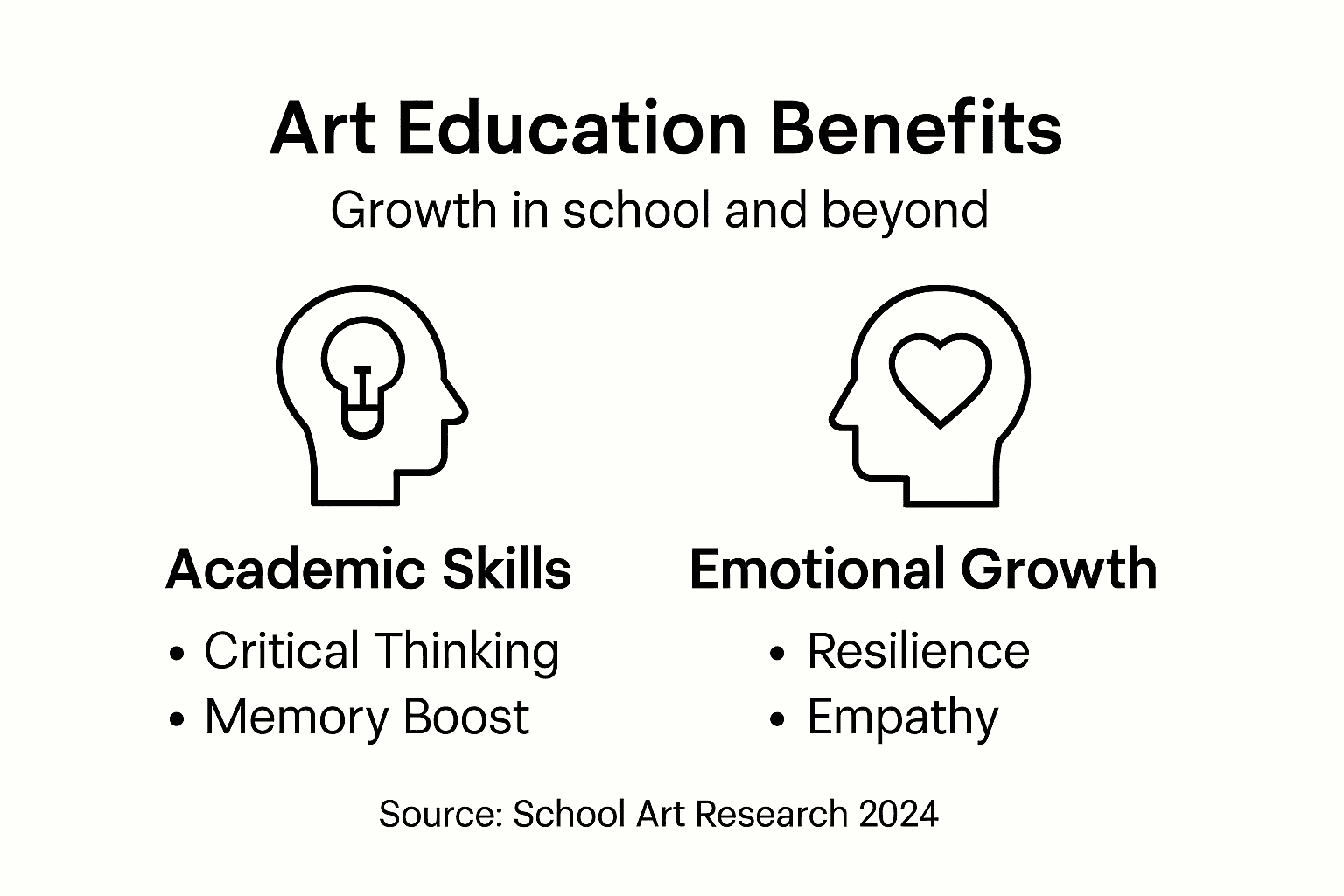
| Cognitive and Emotional Benefits | Art education enhances cognitive skills and emotional regulation, supporting better academic achievement and social-emotional growth. |
| Challenges and Solutions | Addressing funding shortages and access issues through community partnerships and policy advocacy is essential for integrated art education. |
Defining the Role of Art in Education
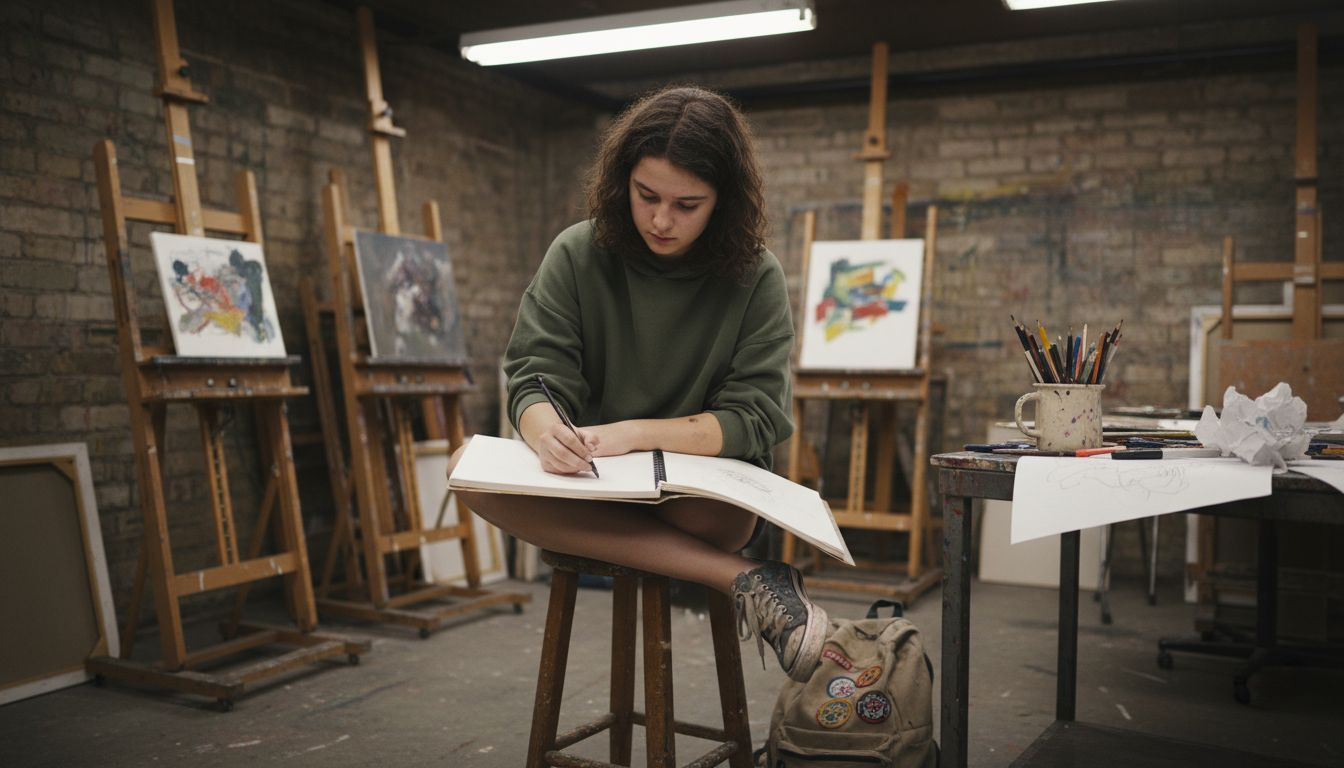
Art education represents far more than simple creative expression in schools. It serves as a critical pathway for holistic student development, enabling learners to explore complex ideas, emotions, and perspectives through visual and performative mediums. Art classrooms foster an environment of personal growth where students can discover themselves while building essential life skills.
The fundamental role of art in education extends beyond traditional artistic training. It encompasses several key developmental dimensions:
- Emotional intelligence and self-awareness
- Critical thinking and problem-solving skills
- Cultural understanding and empathy
- Non-verbal communication abilities
- Confidence and personal expression
Students engaged in art education learn to view challenges from multiple perspectives, a skill increasingly valuable in our complex global landscape. Creative inquiry becomes a powerful tool for understanding both individual experiences and collective human narratives.
Art education is not about creating professional artists, but about nurturing well-rounded, emotionally intelligent individuals who can think creatively and communicate effectively.
Art education provides unique opportunities for students to develop resilience, reduce stress, and explore diverse modes of thinking. By encouraging risk-taking and personal exploration, art classes help students build crucial social and emotional skills that extend far beyond the classroom.
Pro tip: Integrate art across multiple subjects to help students see connections between creative thinking and academic learning.
Types of Art Programs in K-12 Schools
National art education standards define a comprehensive landscape of artistic disciplines available in K-12 schools. These programs encompass diverse artistic experiences designed to nurture creativity, self-expression, and cultural understanding across different age groups and learning environments.
The most common art programs in American schools include:
- Music: Instrumental and vocal training
- Visual Arts: Drawing, painting, sculpture, and digital design
- Drama/Theater: Performance and stagecraft
- Media Arts: Digital photography, film, graphic design
- Dance: Movement and choreography
However, access to these programs varies significantly. Research indicates substantial disparities in arts education based on school location, poverty levels, and regional resources. Elementary schools tend to offer more comprehensive arts experiences compared to middle and high schools, where specialized programs become less frequent.
Art programs are not luxuries but essential pathways for student development, providing critical opportunities for personal expression and skill building.
School districts increasingly recognize the value of integrated art programs that connect creative disciplines with core academic subjects. This approach allows students to develop interdisciplinary skills, encouraging innovative thinking and deeper engagement with learning.
Here’s a comparison of how different art programs contribute uniquely to student growth:
| Art Program Type | Unique Student Impact | Typical Learning Outcomes |
|---|---|---|
| Visual Arts | Enhances observation and analysis | Develops fine motor and visual skills |
| Music | Strengthens auditory skills | Improves pattern recognition |
| Drama/Theater | Builds empathy and confidence | Refines public speaking skills |
| Dance | Boosts kinesthetic awareness | Encourages teamwork and discipline |
| Media Arts | Fosters digital literacy | Promotes creative problem-solving |
Pro tip: Advocate for comprehensive art programs by demonstrating their direct connections to academic performance and student skill development.
Academic and Cognitive Benefits of Art
Cognitive research consistently demonstrates the profound impact of art education on intellectual development. By engaging multiple brain regions simultaneously, art instruction creates unique opportunities for students to enhance critical thinking, problem-solving, and creative reasoning skills across various academic domains.
The key cognitive benefits of art education include:
- Enhanced executive function
- Improved memory retention
- Increased spatial reasoning abilities
- Better concentration and focus
- Advanced pattern recognition skills
- Deeper emotional intelligence
Longitudinal studies reveal that sustained arts experiences significantly influence academic trajectories. Students who participate consistently in art programs demonstrate higher academic achievement, greater persistence in educational settings, and more sophisticated cognitive processing capabilities.
Art is not a supplemental activity but a critical pathway for developing complex intellectual skills that extend far beyond traditional academic boundaries.
Neurological research indicates that artistic activities stimulate both analytical and creative brain regions, creating a more integrated approach to learning. This whole-brain engagement helps students develop adaptable thinking strategies that are increasingly valuable in complex academic and professional environments.
Pro tip: Design interdisciplinary art projects that explicitly connect creative skills with core academic learning objectives to maximize cognitive development.
Art’s Influence on Social-Emotional Growth
Arts engagement supports critical social-emotional development throughout students’ educational journeys. By providing safe spaces for self-expression, artistic experiences help young people develop essential interpersonal skills, emotional intelligence, and personal resilience.
Key social-emotional benefits of arts participation include:
- Enhanced emotional self-regulation
- Improved communication skills
- Increased empathy and perspective-taking
- Greater self-confidence
- Stronger collaborative abilities
- Deeper understanding of personal identity
Educators recognize arts-based learning as powerful SEL strategy, allowing students to explore complex emotions through creative mediums. Drama, music, visual arts, and dance offer unique opportunities for students to process feelings, build relationships, and develop critical social competencies.
Artistic experiences are not peripheral activities, but fundamental pathways for developing emotional intelligence and interpersonal skills.
Adolescents particularly benefit from sustained arts engagement, which provides constructive channels for emotional expression and personal growth. These experiences help students navigate social challenges, build meaningful connections, and develop adaptive emotional strategies.
Pro tip: Create collaborative art projects that intentionally promote teamwork, communication, and mutual understanding among students.
Challenges and Solutions for Art Integration
Global research highlights persistent challenges in implementing comprehensive art education programs across school systems. These challenges range from limited funding and resource constraints to uneven institutional support and complex implementation strategies.
Key challenges in art education integration include:
- Insufficient financial resources
- Lack of qualified arts instructors
- Minimal institutional prioritization
- Unequal access across different school districts
- Limited understanding of art’s educational value
- Curriculum integration difficulties
Implementation strategies for overcoming art education barriers require a multifaceted approach. Successful models emphasize community partnerships, policy advocacy, creative funding mechanisms, and interdisciplinary curriculum design that demonstrates art’s broader educational benefits.
Transformative art education requires sustained commitment, creative problem-solving, and a holistic understanding of learning’s complex landscape.
School administrators and policymakers must develop flexible, innovative approaches that recognize art’s fundamental role in comprehensive student development. This involves creating adaptive frameworks that can accommodate varying resource levels while maintaining educational quality and student engagement.
The following table summarizes common challenges faced when integrating art education and their strategic solutions:
| Challenge | Solution Approach | Example Action |
|---|---|---|
| Limited funding | Creative partnerships and grants | Collaborate with local museums |
| Lack of trained instructors | Professional development workshops | Sponsor training for teachers |
| Uneven program access | Policy advocacy and resource sharing | District-wide arts scheduling |
| Integration difficulties | Interdisciplinary curriculum design | Link art with science projects |
Pro tip: Develop strategic partnerships with local artists, cultural organizations, and community resources to supplement and enhance school-based art programs.
Bring the Power of Art Into Your School Programs Today
The challenges of limited resources and uneven access to comprehensive art education can leave schools searching for engaging ways to nurture creativity, emotional intelligence, and critical thinking. This article highlights the vital role of art in fostering social-emotional growth and academic success with concepts like creative inquiry, emotional self-regulation, and interdisciplinary learning at its core. Schools aiming to enhance student development through meaningful artistic experiences will find that integrating dynamic, educational assemblies can bridge gaps and enrich their curriculum.
Elevate your school’s culture by choosing from Academic Entertainment’s diverse lineup of live and virtual programs designed to inspire creativity, cultural understanding, and character development. Discover tailored educational experiences that complement your school’s focus on the arts and social-emotional learning. Take the next step now by exploring Educational Assemblies for Schools and unlock opportunities that bring the joy and value of art directly to your students.
Frequently Asked Questions
What are the main benefits of art education for students?
Art education enhances emotional intelligence, critical thinking, problem-solving abilities, and cultural understanding, contributing to a well-rounded development of students.
How does art education improve academic performance?
Research shows that art education boosts cognitive skills such as memory retention, concentration, and pattern recognition, leading to better academic outcomes across various subjects.
In what ways does art contribute to social-emotional growth?
Art engagement fosters emotional self-regulation, communication skills, empathy, and resilience, helping students navigate social challenges and develop stronger interpersonal relationships.
What challenges do schools face in integrating art programs?
Common challenges include limited funding, lack of qualified instructors, minimal institutional prioritization, and uneven access to resources across different districts.
Recommended
- The Importance of Art Classes For Kids – Academic Entertainment
- Importance of Arts in Education – Boosting Student Success – Academic Entertainment
- Why Students Need Arts Education Experiences and Fine Arts Courses – Academic Entertainment
- Tips & Ideas for Hosting a Student Art Show – Academic Entertainment


