Many school event coordinators assume all assembly programs deliver similar results, leading them to choose based on convenience rather than educational impact. In reality, carefully reading and evaluating assembly program details can transform student engagement and learning outcomes. The right assembly can reinforce character development, promote health awareness, and celebrate cultural diversity when you know what to look for. This guide walks you through practical strategies for reading assembly programs effectively, comparing options, and selecting events that align with your school’s values and educational priorities. You’ll discover how to analyze program content, assess quality indicators, and apply insights to plan assemblies that truly resonate with students.
Key Takeaways
| Point | Details |
|---|---|
| Evaluation criteria matter | Clear standards help identify quality assembly programs that genuinely engage students and support educational goals |
| Content alignment is essential | Understanding program objectives ensures they match your school’s priorities for character, health, and cultural education |
| Comparison reveals best fit | Analyzing different program types illuminates which assemblies serve specific student needs and event themes most effectively |
| Practical application drives success | Implementing structured reading methods leads to assemblies that deliver measurable impact on student behavior and learning |
Why Reading Assembly Programs Matter for School Event Success
Selecting assembly programs without thoroughly reviewing their details creates significant risks. You might book an event that fails to engage your students or, worse, conflicts with your school’s values and educational mission. Surface-level descriptions rarely reveal whether a program truly delivers on character education, health awareness, or cultural understanding.
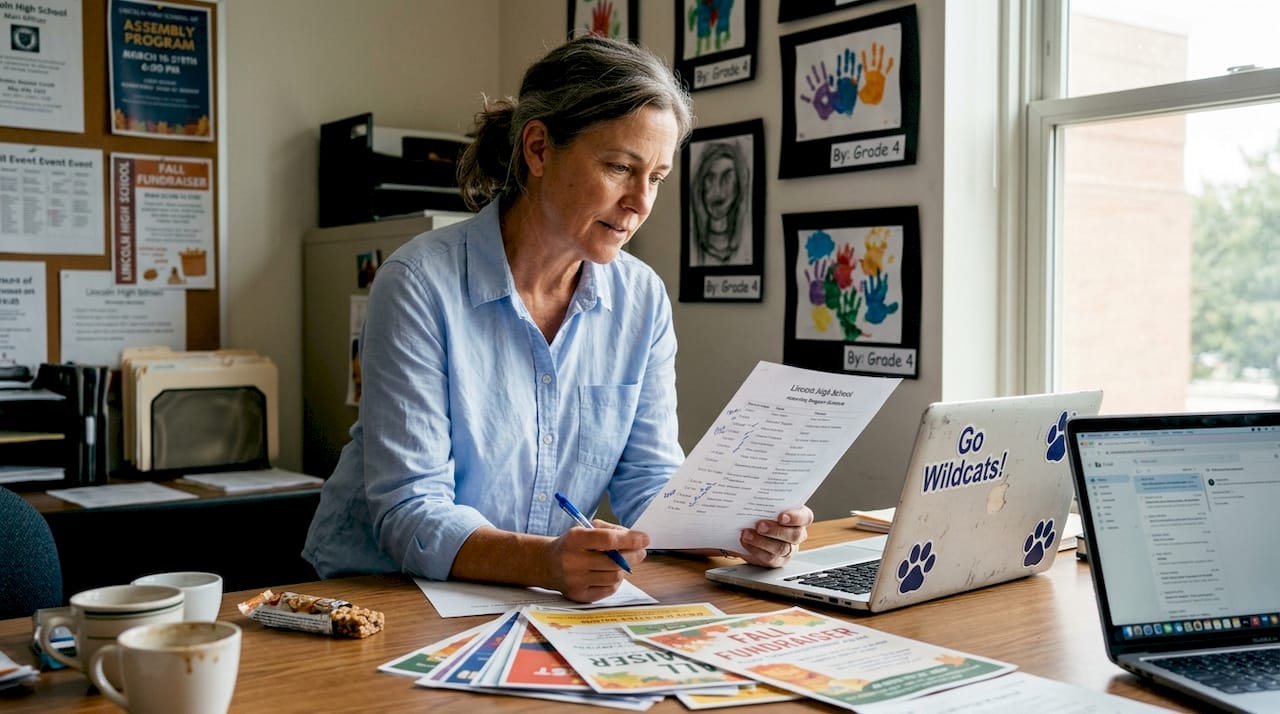
Detailed reading uncovers the learning objectives, interactive elements, and themes that determine student engagement. Effective reading of assembly programs ensures alignment with school educational priorities and enhances student involvement. You’ll discover whether presenters incorporate hands-on activities, multimedia components, or discussion prompts that keep students actively participating rather than passively watching.
Key focus areas typically include character education frameworks like PBIS, health topics such as nutrition and mental wellness, and cultural diversity celebrations. Each area requires different presentation styles and content depth to resonate with students. A character-building assembly might emphasize social-emotional learning through storytelling, while a health program could use demonstrations and scientific explanations.
Presenter credentials and age-group adaptability deserve close attention. Experienced performers understand developmental differences between elementary and middle school students, adjusting vocabulary, humor, and participation levels accordingly. Check for evidence of educational backgrounds, performance experience, and testimonials from schools similar to yours.
Pro Tip: Prioritize programs offering measurable outcomes or concrete feedback from other schools. Request specific examples of how assemblies changed student behavior, increased awareness, or reinforced classroom lessons. Quantifiable results provide confidence that your investment will yield genuine educational benefits beyond temporary entertainment.
The difference between a forgettable assembly and a transformative experience often lies in the details you can only discover through careful reading. Program descriptions that specify learning standards, list interactive components, and explain follow-up resources signal higher quality than vague promises of fun and engagement.
How to Analyze Assembly Program Content: A Practical Framework
Applying a systematic approach transforms assembly selection from guesswork into strategic decision-making. This five-step framework helps you evaluate programs consistently and objectively.
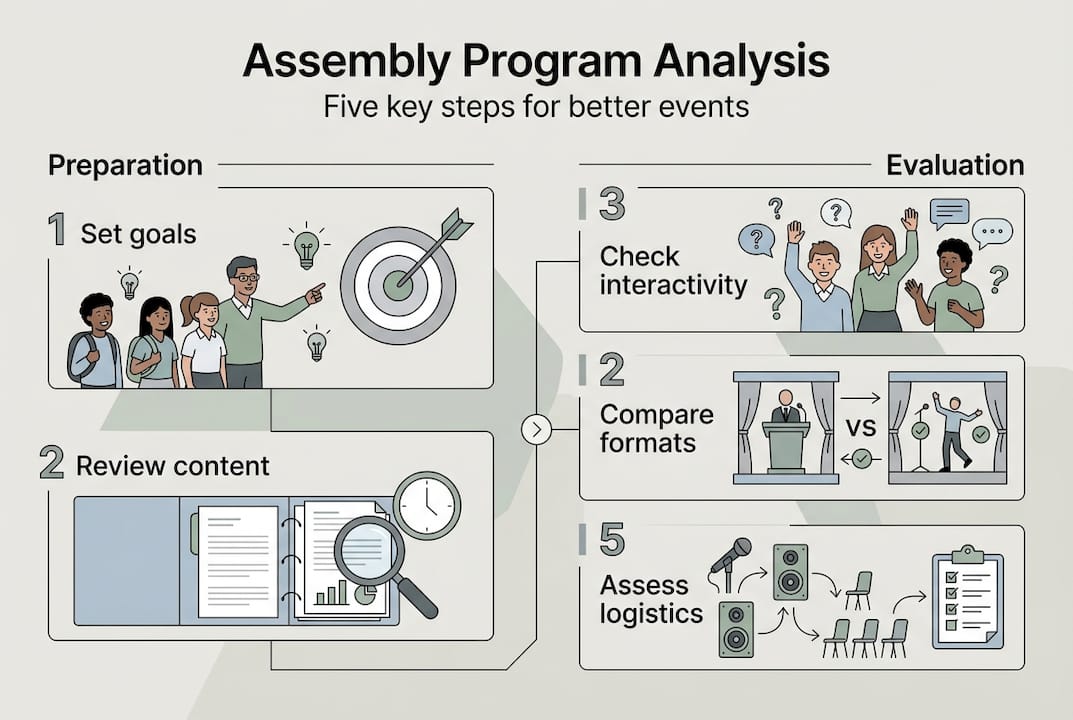
Step one involves identifying your school’s key goals. Are you addressing bullying concerns, promoting wellness initiatives, or celebrating cultural heritage month? Clear priorities guide every subsequent evaluation decision. Write down your top three objectives before reviewing any program materials.
Step two requires reviewing program objectives and content summaries thoroughly. Look beyond catchy titles to understand what students will actually learn. Quality programs specify learning outcomes using action verbs like demonstrate, identify, or apply rather than vague terms like appreciate or understand. Using a structured checklist improves the selection of educational assembly programs that meet school event goals.
Step three focuses on evaluating interactive components and age appropriateness. Programs should engage students through participation, not just performance. Check for volunteer opportunities, call-and-response segments, or hands-on demonstrations. Age appropriateness extends beyond content to presentation style, with younger students needing more movement breaks and sensory variety.
Step four compares program formats across live performances, virtual events, music-focused shows, and STEM-related demonstrations. Each format offers distinct advantages. Live programs create immediate energy and connection, while virtual assemblies provide flexibility and cost savings. Music-based programs often boost retention through memorable songs, whereas STEM shows emphasize critical thinking and scientific inquiry.
| Program Type | Best For | Interactive Level | Typical Duration |
|---|---|---|---|
| Live performance | Building community energy | High with volunteers | 45-60 minutes |
| Virtual assembly | Multi-site or budget constraints | Moderate with chat features | 30-45 minutes |
| Music-based | Memory retention and fun | Very high with singing | 40-50 minutes |
| STEM demonstration | Critical thinking skills | High with experiments | 50-60 minutes |
Step five assesses logistical elements, including duration, group size capacity, technical requirements, and total cost. A 90-minute program might sound comprehensive, but it exceeds most elementary students’ attention spans. Similarly, assemblies designed for 100 students won’t work well in your 400-student cafeteria without modifications.
Pro Tip: Verify that programs demonstrate cultural sensitivity and health information accuracy. Request references to educational standards, expert consultations, or curriculum alignment. Programs addressing sensitive topics like mental health or diversity should show evidence of appropriate training and inclusive language. This verification protects your school from potential concerns while ensuring students receive accurate, respectful information.
Document your findings in a simple comparison chart. Rating programs on a consistent scale for each criterion reveals strengths and weaknesses that aren’t obvious when reviewing descriptions individually.
Comparing Educational Assembly Programs for Character, Health, and Cultural Awareness
Understanding the distinct features of assembly programs organized by educational theme helps you match events to specific school needs and student populations. Each category serves different developmental goals and employs unique engagement strategies.
Character-building assemblies emphasize core values like respect, responsibility, perseverance, and kindness. These programs often integrate PBIS frameworks, providing a common language that reinforces classroom behavior expectations. Interactive storytelling, role-playing scenarios, and peer recognition activities help students internalize positive behaviors. Many character programs connect to anti-bullying initiatives, teaching bystander intervention and empathy development through age-appropriate examples.
Health-focused programs address nutrition education, hygiene practices, mental wellness strategies, and safety awareness. Elementary programs might use puppet shows or animated characters to teach handwashing and healthy eating, while middle school assemblies tackle stress management and body image with greater sophistication. Distinct assembly program themes offer diverse benefits; understanding their focus helps tailor events to school priorities. The most effective health programs provide take-home materials that extend learning beyond the assembly itself.
Cultural awareness programs celebrate diversity, explore heritage traditions, and foster cross-cultural understanding. These assemblies might feature music and dance from various cultures, storytelling from different traditions, or explorations of historical contributions by diverse groups. Quality cultural programs avoid stereotypes while highlighting authentic experiences and encouraging students to appreciate differences as strengths rather than divisions.
| Theme Focus | Primary Content | Interactive Elements | Ideal Grade Levels |
|---|---|---|---|
| Character development | Values, social skills, PBIS | Role-play, peer activities | K-8 |
| Health education | Nutrition, wellness, safety | Demonstrations, Q&A | K-12 |
| Cultural awareness | Diversity, traditions, empathy | Music, dance, storytelling | K-12 |
| Reading promotion | Literacy, imagination | Author talks, dramatic readings | K-6 |
The benefits of theme-specific assemblies extend beyond immediate engagement:
- Character programs improve school climate by establishing shared values and behavioral expectations across grade levels
- Health assemblies increase student knowledge of wellness practices and often influence family conversations about nutrition and mental health
- Cultural programs reduce prejudice and bullying by building empathy and celebrating the diversity within your school community
- Reading and language arts assemblies boost literacy motivation and connect students with authors and storytellers who inspire a love of books
Understanding these differences enables coordinators to match programs strategically to event themes, calendar timing, and student needs. A character assembly works perfectly for back-to-school expectations setting, while a cultural program enhances heritage month celebrations. Health assemblies complement wellness weeks or physical education units.
Consider combining themes when appropriate. Some programs successfully integrate character development with cultural awareness, teaching respect through exploration of diverse traditions. Others blend health education with STEM concepts, explaining nutrition through scientific demonstrations. Multi-theme programs offer efficiency but require careful evaluation to ensure neither focus becomes diluted.
Tips for Applying Program Reading Insights to Plan Effective School Assemblies
Transforming your assembly program analysis into successful events requires intentional planning and stakeholder engagement. These practical strategies help you leverage your reading insights for maximum impact.
Communicate clearly with program providers about your school’s specific priorities and student population characteristics. Share details about recent initiatives, current challenges, and desired outcomes. Quality presenters customize content when they understand your context. Ask whether they can incorporate your school’s character education vocabulary, reference local examples, or adjust content for your demographic mix.
Involve teachers and student leaders in program evaluation to build buy-in and gather diverse perspectives. Teachers offer insights about curriculum connections and student readiness for specific topics. Student council members can predict peer reactions and suggest engagement strategies. This collaborative approach also creates natural follow-up opportunities, as involved teachers are more likely to reinforce assembly themes in their classrooms.
Schedule assemblies strategically to complement curricular units and calendar events. A nutrition assembly gains impact when scheduled during a health unit or before a school wellness fair. Cultural programs resonate more deeply during heritage months or before international festivals. Timing assemblies to reinforce rather than interrupt learning maximizes their educational value.
Use feedback surveys to gauge impact and inform future selections. Applying targeted selection methods results in assemblies that resonate well with students and support school goals. Design brief surveys for both students and teachers, asking specific questions about engagement, learning, and behavioral changes observed after assemblies. Track this data over time to identify which program types and presenters deliver the strongest results for your school.
Key implementation considerations include:
- Prepare students with brief introductions explaining assembly topics and expected behaviors to maximize learning readiness
- Arrange the physical space to optimize sightlines, acoustics, and student comfort during presentations
- Coordinate with presenters about technical needs, setup time, and any student volunteers required for interactive segments
- Plan follow-up activities that extend assembly themes through classroom discussions, art projects, or writing assignments
Pro Tip: Incorporate virtual or hybrid assemblies for flexibility and broader access. Virtual programs eliminate travel costs and scheduling constraints while reaching multiple classrooms simultaneously. Hybrid models combine live presentations for some grades with virtual streaming for others, accommodating space limitations. Many presenters now offer both formats, giving you options that fit various budgets and logistical situations.
“The most successful school assemblies don’t just entertain students for an hour; they spark conversations, reinforce values, and create shared experiences that strengthen school culture long after the presenter leaves.”
Document successful assemblies in a program library with notes about what worked, student responses, and potential improvements. This institutional knowledge helps new coordinators and ensures you can replicate successful events. Include contact information for excellent presenters, optimal scheduling times, and effective follow-up activities.
Consider creating an annual assembly calendar that balances different themes throughout the school year. This strategic approach ensures students experience diverse topics while preventing theme fatigue. Alternating between character, health, cultural, and academic programs maintains novelty and addresses various developmental needs across the year.
Discover Educational Assembly Programs Tailored for Your School
Finding assembly programs that genuinely align with your educational priorities and engage students effectively requires a partner who understands K-12 needs. Academic Entertainment specializes in school assemblies and educational entertainment designed specifically for character development, health awareness, and cultural understanding.
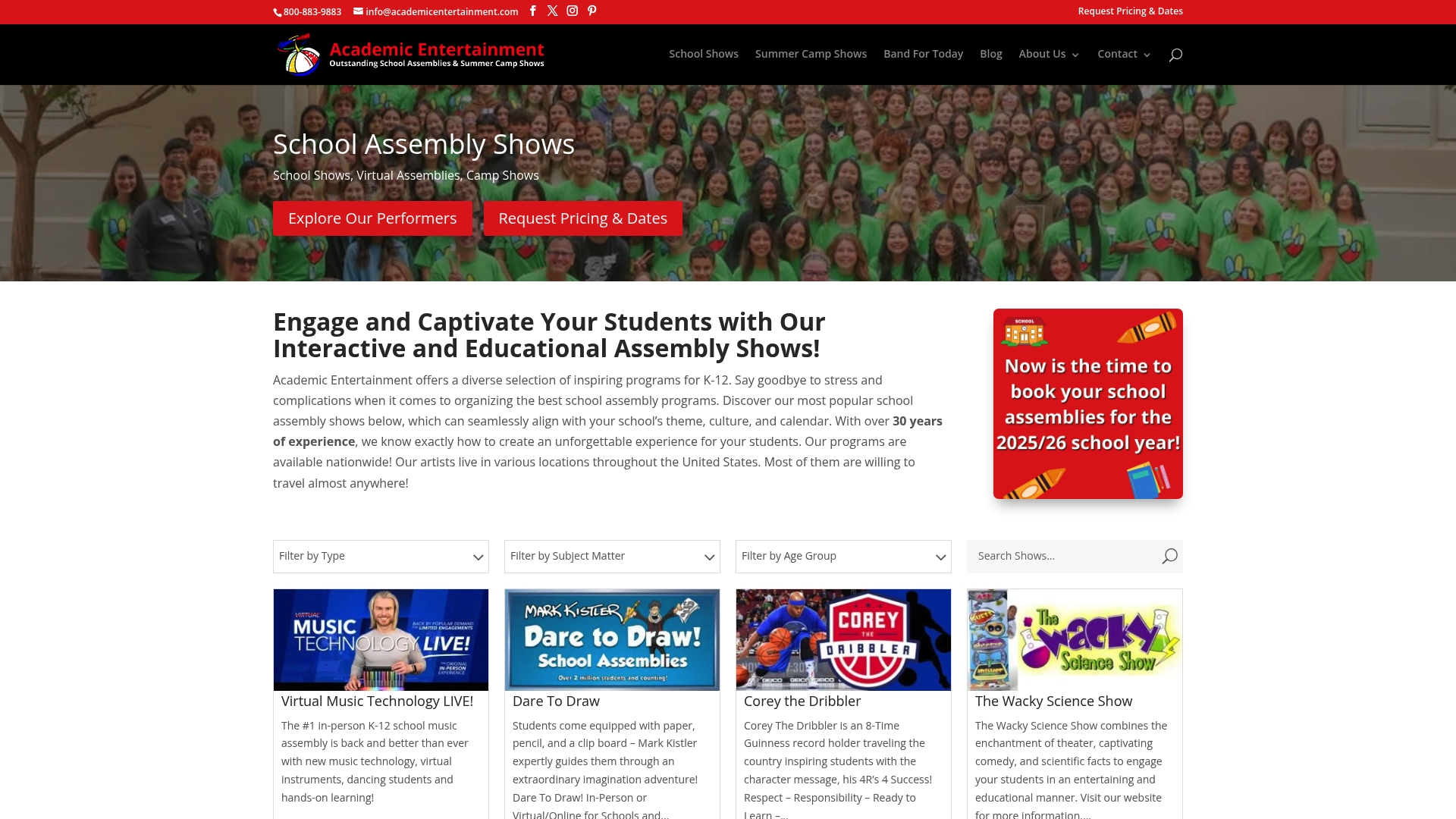
With over 40 years of experience, our curated programs connect schools with experienced entertainers and educators who share your commitment to student growth. Whether you need character-building and education assemblies that reinforce PBIS frameworks or culturally diverse performances that celebrate student backgrounds, you’ll find options suitable for all K-12 grades and event types. Our elementary school assembly programs feature age-appropriate content with interactive elements that keep young learners engaged while delivering meaningful educational value. Explore our comprehensive catalog to discover assemblies that transform your school events from routine gatherings into memorable learning experiences.
Frequently Asked Questions
What should I look for when reading assembly program descriptions?
Focus on clear learning objectives stated in measurable terms, specific interactive features that engage students actively, and age-appropriateness indicators for your student population. Quality descriptions also specify alignment with educational standards, presenter credentials, and logistical details like duration and technical requirements. Look for evidence of customization options that let you tailor content to your school’s specific values and current initiatives.
How can assembly programs support character education effectively?
Programs support character education by teaching core values like respect, responsibility, and perseverance through engaging storytelling, role-playing scenarios, and peer recognition activities. The most effective programs integrate PBIS frameworks and provide common language that reinforces classroom behavior expectations. They create memorable experiences that help students internalize positive behaviors and develop social-emotional skills through relatable examples and interactive participation.
Are virtual assembly programs as engaging as live events?
Virtual programs can be equally engaging when well-produced, offering interactive features like live chat, polls, digital volunteer participation, and breakout discussions. They provide significant flexibility for scheduling, eliminate travel costs, and allow multiple classrooms or even multiple schools to participate simultaneously. The key is selecting virtual programs specifically designed for online engagement rather than simply recorded live performances, ensuring presenters use techniques that maintain student attention through screens.
How do I measure the impact of an assembly program?
Measure impact through brief post-assembly surveys asking students and teachers about engagement levels, key takeaways, and behavioral observations. Track specific metrics like participation rates, follow-up classroom discussions, and any measurable behavior changes in the weeks following the assembly. Teacher feedback provides valuable insights about curriculum connections and whether students reference assembly themes in their regular work. Comparing data across multiple assemblies helps identify which programs and presenters deliver the strongest results for your school community.
Recommended
- Role of School Assemblies in 2026: Boost Engagement 80% – Academic Entertainment
- Reading and Language Arts School Assemblies – Academic Entertainment
- School Assembly Planning Guide: Step-by-Step Event Success – Academic Entertainment
- Top School Assemblies of 2016/17 – Academic Entertainment