Many educators dismiss assemblies as obligatory announcements, yet more than 80% of educators recognize assemblies as crucial in reinforcing school values and boosting student engagement during special events. These gatherings are strategic opportunities that build community, reinforce core values, and transform school culture. This guide explains their multifaceted educational role and provides actionable strategies to plan effective special event assemblies that drive measurable outcomes.
Key Takeaways
| Point | Details |
|---|---|
| Educational Impact | Assemblies reinforce curriculum themes and increase learning retention through real-world applications during special events. |
| Community Building | Regular assemblies foster inclusivity and belonging, correlating with higher attendance and academic performance. |
| Student Leadership | Involving students as speakers and organizers cultivates ownership, soft skills, and active engagement. |
| Social-Emotional Growth | Assembly themes addressing kindness, resilience, and anti-bullying enhance emotional intelligence and interpersonal skills. |
| Strategic Planning | Clear objectives, student participation, and logistical preparation ensure assemblies achieve desired educational and cultural goals. |
Understanding the Purpose and Educational Role of Assemblies
Assemblies function as powerful collective learning platforms that extend far beyond traditional classroom instruction. They enhance school culture by reinforcing respect, responsibility, and citizenship through shared experiences that unite diverse student populations. Assemblies aligned with curriculum themes increase learning retention by providing real-world applications and enhancing student motivation during special events.
These gatherings serve multiple educational functions simultaneously. They introduce complex topics in accessible formats, celebrate achievements, and model positive behaviors. Regular school assemblies foster inclusivity and belonging, which correlates with higher motivation, attendance, and academic performance among students.
The educational benefits extend to soft skills development critical for student success. Assemblies teach group functioning, active listening, and respectful dialogue in diverse settings. Students learn to navigate large group dynamics and appreciate perspectives different from their own.
Schools that strategically integrate assemblies into their calendar create consistent touchpoints for values reinforcement. These moments become reference points throughout the year, strengthening the connection between stated school values and daily student experiences. Why assemblies build community becomes evident when students repeatedly engage with shared messages and collective celebrations.
Pro Tip: Schedule assemblies at strategic points in the academic calendar, such as before major testing periods or after breaks, to re-establish community norms and boost motivation when students need it most.
Key educational functions include:
- Reinforcing curriculum concepts through engaging, memorable presentations
- Modeling collaborative problem-solving and respectful communication
- Celebrating diversity while identifying shared values and goals
- Providing platforms for student voice and leadership development
- Creating memorable shared experiences that strengthen school identity
Types of Assemblies and Themes for Special Events
Schools can choose from diverse assembly formats and themes that align with educational priorities and community needs. Theme-based assemblies addressing societal and curriculum topics, culture-based assemblies promoting diversity, and motivational or interactive assemblies all enhance engagement and learning in distinct ways.
Theme-based assemblies focus on current educational topics like anti-bullying, environmental awareness, digital citizenship, and health education. These programs connect abstract concepts to student experiences, making critical lessons memorable and actionable. Culture-based assemblies celebrate diversity through performances, presentations, and interactive activities that promote inclusion and cross-cultural understanding.
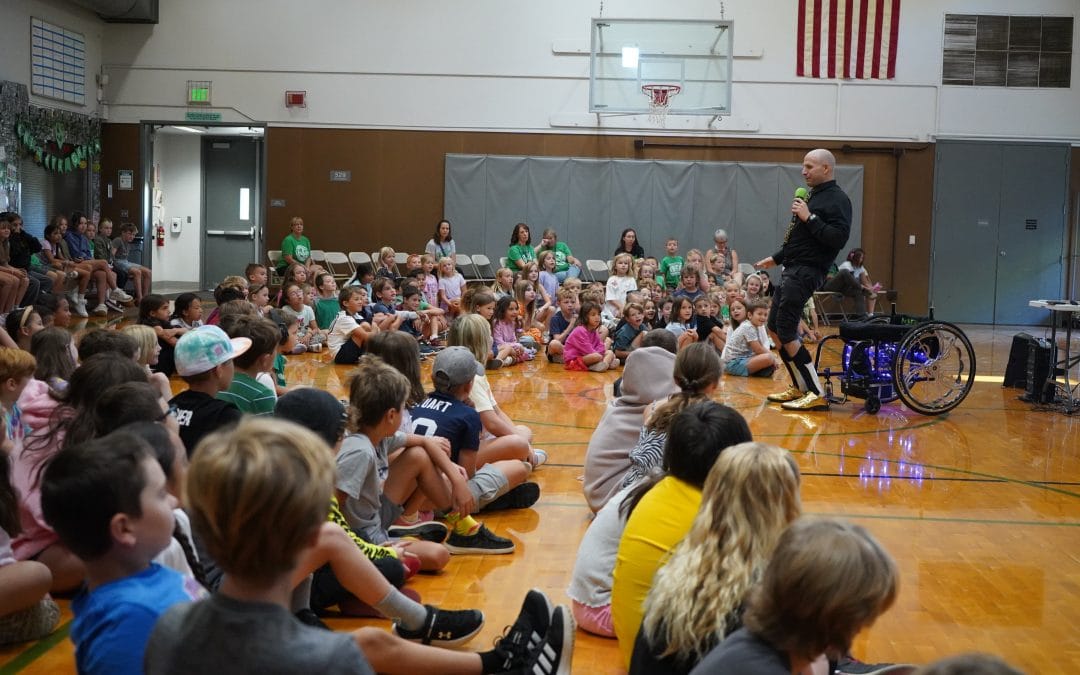
Performance and interactive assemblies increase active engagement through demonstrations, audience participation, and hands-on learning experiences. Student-led assemblies offer peer-to-peer learning opportunities that build leadership skills while delivering authentic messages that resonate with fellow students.
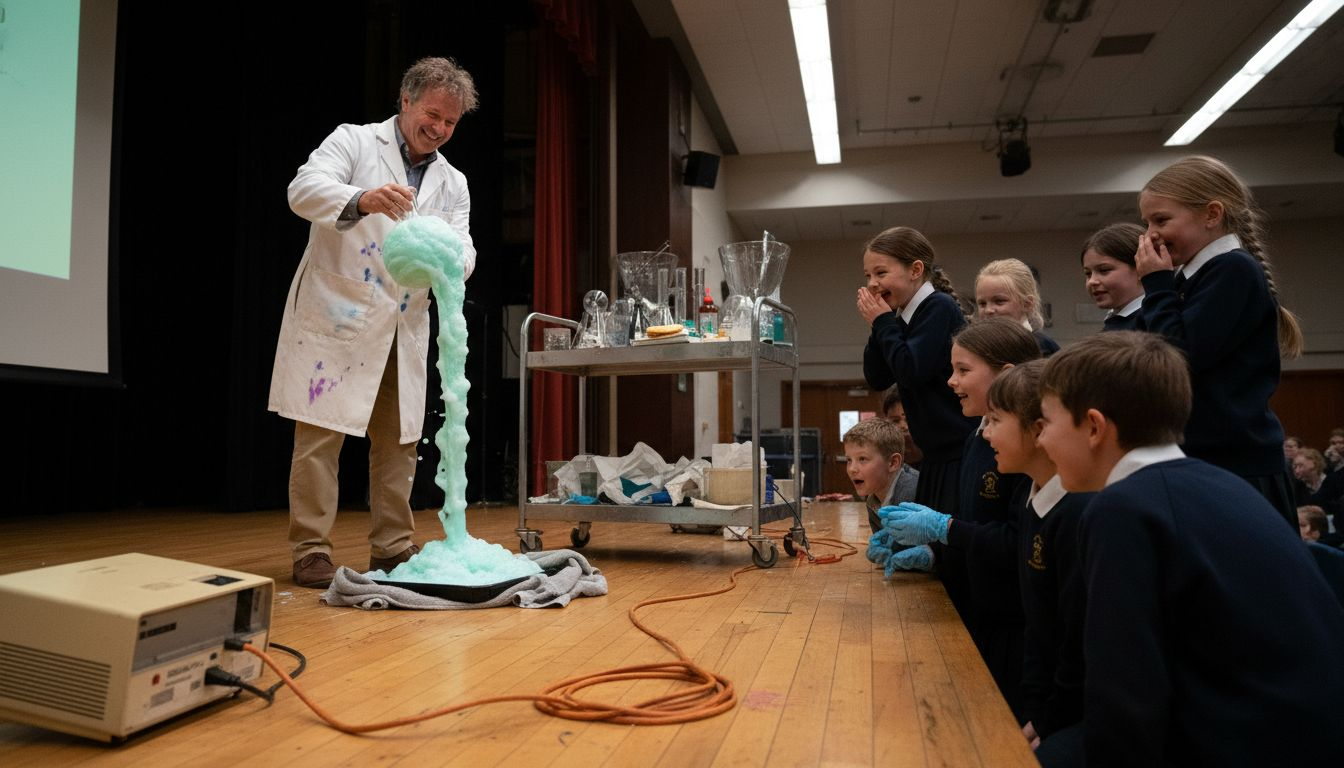
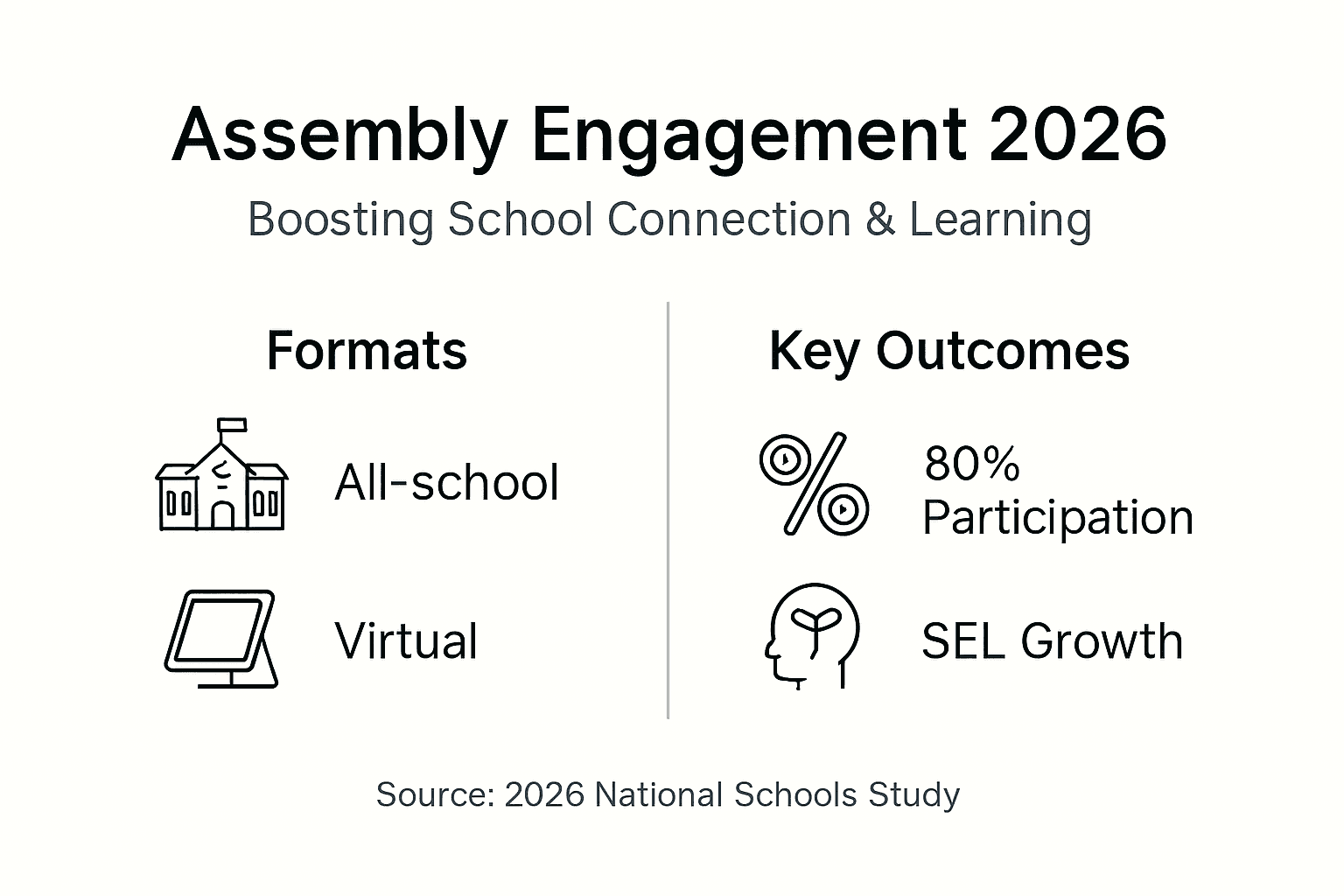
Format options vary based on school size, resources, and objectives. Virtual assemblies expand accessibility for remote learners or when coordinating across multiple campuses. Hybrid models combine in-person and virtual elements to maximize reach while maintaining engagement. School assemblies and educational entertainment options provide professional programming that aligns with specific educational goals.
| Assembly Type | Primary Features | Key Benefits | Best Suited For |
|---|---|---|---|
| Theme-Based | Focused on specific educational topics | Direct curriculum alignment, measurable learning outcomes | Academic reinforcement, character education |
| Cultural | Celebrates diversity through performances and presentations | Promotes inclusion, broadens perspectives | Heritage months, diversity initiatives |
| Interactive/Performance | High engagement through participation and entertainment | Increased retention, memorable experiences | All-school events, motivation |
| Student-Led | Organized and presented by students | Develops leadership, authentic peer messaging | Ongoing programs, student government |
| Virtual/Hybrid | Remote or combined in-person and online formats | Accessibility, flexibility, wider reach | Distance learning, multi-campus coordination |
Theme-based school assemblies promote diversity and unity by creating shared experiences that honor differences while identifying common ground. Successful programs balance entertainment value with substantive content that supports learning objectives.
Key considerations for theme selection:
- Alignment with current curriculum units or school-wide initiatives
- Relevance to student developmental stages and community context
- Balance between serious topics and celebratory or motivational themes
- Opportunities for student participation and follow-up activities
Planning Effective Special Event Assemblies
Successful assemblies require deliberate planning with clear objectives, student involvement, and attention to logistics. Thoughtfully planned assemblies teach vital group functioning soft skills and include student leadership opportunities that enhance engagement during special events.
Define clear, measurable objectives before any other planning steps. Determine what students should know, feel, or do differently after the assembly. These goals guide every subsequent decision from theme selection to follow-up activities. Objectives might include raising awareness about a specific issue, celebrating student achievements, or launching a school-wide initiative.
A step-by-step planning timeline ensures all elements receive adequate attention. Begin planning at least six to eight weeks before the event to allow time for coordination, promotion, and preparation. School assembly planning guide resources provide frameworks for managing complex logistics while maintaining focus on educational outcomes.
Incorporate student participation as speakers, performers, or organizers to cultivate ownership and relevant skills. Student involvement increases peer engagement and creates authentic learning opportunities. When students see themselves represented on stage, they connect more deeply with assembly content and messages.
Address safety, timing, and audience management proactively to ensure smooth, focused assemblies. Consider traffic flow for large groups, seating arrangements that support engagement, and duration appropriate for different age groups. Elementary assemblies typically run 30 to 45 minutes, while secondary assemblies may extend to 60 minutes.
Pro Tip: Create a standard assembly protocol document that outlines arrival procedures, behavioral expectations, and emergency protocols, then review it with students before each assembly to establish consistent routines.
- Define objectives and select theme: Identify specific learning or cultural goals aligned with school priorities and calendar events.
- Form planning committee: Include administrators, teachers, student representatives, and support staff for diverse perspectives.
- Secure speakers or performers: Book professional presenters or coordinate student performers at least four weeks in advance.
- Plan logistics: Reserve space, arrange seating, test audio-visual equipment, and create contingency plans.
- Promote the event: Use multiple channels to build anticipation and clearly communicate expectations to students and staff.
- Prepare students: Brief students on assembly content, behavioral expectations, and participation opportunities.
- Execute and facilitate: Manage timing, transitions, and engagement strategies during the assembly.
- Follow up: Debrief with staff and students, assess goal achievement, and plan reinforcement activities.
Assembly planning timeline tools help teams stay organized and ensure no critical steps are overlooked during the preparation process.
Impact on Student Engagement and Social-Emotional Learning (SEL)
Assemblies create unique opportunities to address social-emotional learning competencies through shared experiences that traditional classroom settings cannot replicate. Assemblies integrating SEL topics improve emotional intelligence and interpersonal skills during special events by providing common language and frameworks for discussing complex emotional concepts.
SEL topics like kindness, anti-bullying, resilience, and conflict resolution are effectively taught through assemblies because they combine storytelling, modeling, and collective reflection. Students witness real examples of positive behaviors and hear authentic stories that illustrate abstract concepts. The shared experience creates reference points for ongoing conversations throughout the school year.
Assemblies cultivate emotional intelligence by helping students recognize and name feelings, understand diverse perspectives, and practice empathy. Interactive elements allow students to rehearse social skills in supportive environments. When entire school communities engage with SEL content simultaneously, it normalizes discussions about emotions and relationships.
Regular assemblies boost motivation, attendance, and academic performance by promoting inclusivity and belonging. Students who feel connected to their school community demonstrate higher engagement across all activities. This sense of belonging reduces behavioral issues and creates positive feedback loops that improve overall school climate.
Positive school climate and academic achievement improve with regular, well-planned assemblies that reinforce community values and celebrate progress. When students see their efforts recognized and their identities affirmed, they invest more energy in academic pursuits. Assemblies support social-emotional learning by creating consistent touchpoints for values reinforcement and skill development.
Key SEL and engagement outcomes supported by assemblies:
- Enhanced self-awareness through reflection activities and storytelling
- Improved relationship skills via modeling and peer interaction
- Strengthened sense of belonging and school connectedness
- Increased motivation and reduced absenteeism
- Better emotional regulation and conflict resolution abilities
- Greater appreciation for diversity and inclusive behaviors
Common Misconceptions About Assemblies and Their Correction
Several persistent myths limit how schools leverage assemblies as strategic educational tools. Addressing these misconceptions helps administrators recognize the full potential of well-designed assembly programs.
- Misconception: Assemblies are just for announcements. Reality: Assemblies play multifaceted roles beyond announcements, significantly enhancing learning, school culture, and student development through structured educational programming and community building.
- Misconception: Assemblies are optional or insignificant. Reality: Research links regular assemblies to measurable improvements in attendance, motivation, and academic performance. Schools that eliminate assemblies often see declines in community cohesion and student engagement.
- Misconception: Only large schools can hold meaningful assemblies. Reality: Small schools often create more intimate, impactful assemblies where every student participates actively. Format adaptations like grade-level gatherings or outdoor settings work effectively for schools of any size.
- Misconception: Assemblies waste instructional time. Reality: Strategic assemblies enhance learning by providing real-world context for curriculum concepts, improving retention, and developing soft skills that support academic success across all subjects.
- Misconception: Students do not value assemblies. Reality: When assemblies feature relevant content, student participation, and engaging formats, students consistently report high satisfaction and meaningful learning experiences.
- Misconception: Assemblies require expensive outside presenters. Reality: Effective assemblies leverage internal talent, student leadership, and community partnerships. Professional presenters add value, but are not mandatory for impactful programs.
Redefining assembly value starts with viewing these gatherings as investments in school culture rather than interruptions to academic schedules. When planned with clear objectives and executed thoughtfully, assemblies deliver returns that far exceed their time and resource costs.
Bringing Theory to Practice: Case Examples and Practical Tips
Successful schools implement diverse assembly models that align with their unique cultures and priorities. Successful theme-based and culture-based assemblies enhance engagement and reinforce school values with student involvement.
Anti-bullying theme days unite entire schools around kindness initiatives. These assemblies introduce concepts through performances or presentations, then connect to ongoing programs like peer mediation and classroom lessons. Students participate as allies, sharing personal stories and leading small group discussions that personalize the message.
Multicultural festivals celebrate diversity through student performances showcasing different cultural traditions. These assemblies educate while honoring heritage, creating opportunities for families to engage with schools. Follow-up activities include cultural exchange projects and curriculum integration that extends learning beyond the assembly itself.
Motivational speaker events bring outside perspectives that inspire students to overcome challenges and pursue goals. Effective programs connect speaker messages to school values and provide frameworks for students to apply insights. Post-assembly reflection activities help students internalize lessons and set personal objectives.
Practical implementation tips:
- Align assembly topics with current curriculum units for seamless integration and reinforcement
- Schedule assemblies to launch initiatives, providing momentum for sustained effort
- Create feedback mechanisms to gather student and staff input for continuous improvement
- Develop clear behavioral expectations and practice assembly protocols with students
- Use visual supports and varied presentation styles to accommodate diverse learning needs
- Connect assembly themes to classroom discussions and assignments for deeper processing
Pro Tip: Establish a post-assembly feedback routine where teachers spend 10 minutes facilitating structured reflection, allowing students to process content and connect it to personal experiences while details remain fresh.
Assemblies and character-building programs demonstrate how consistent messaging across multiple assemblies throughout the year creates cumulative effects on school culture and student behavior.
Small schools can adapt these models by combining grade levels, hosting outdoor assemblies, or creating rotation schedules where different groups experience programs on different days. Limited resources encourage creative partnerships with local organizations, parent volunteers, and student talents that often produce highly authentic and meaningful experiences.
Discover Engaging School Assemblies Tailored for Special Events
Planning assemblies that truly resonate requires expertise in both education and engagement. Academic Entertainment offers expertly designed assemblies for K-12 special events that combine entertainment with substantive educational content aligned to school values. With over 40 years of experience, our programs address critical topics like anti-bullying, diversity, character development, and academic reinforcement through engaging formats that captivate students while delivering meaningful lessons.
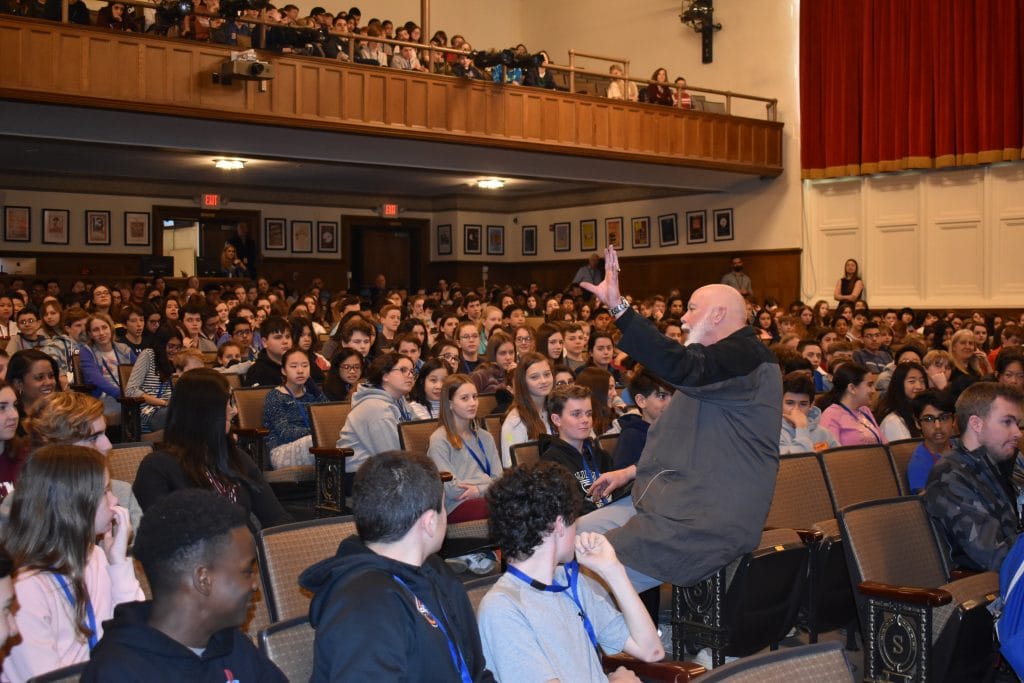
Our flexible options include in-person and virtual formats to suit different school needs and logistical constraints. Programs support student engagement, SEL initiatives, and community-building goals with customizable content that reflects your school’s unique culture and priorities. Whether you need motivational speakers, interactive science demonstrations, cultural performances, or character education programs, educational entertainment for school assemblies provides turnkey solutions that educators trust. Explore how character-building assemblies can transform your next special event into a memorable learning experience that strengthens your entire school community.
Frequently Asked Questions About the Role of Assemblies During Special Events
What are the main goals of assemblies during special events?
Assemblies aim to build community, reinforce school values, celebrate achievements, and provide collective learning experiences that complement classroom instruction. They create shared reference points that strengthen school culture while addressing topics like character development, academic motivation, and social-emotional skills.
How can student participation be encouraged in assemblies?
Involve students as speakers, performers, organizers, or discussion leaders to increase ownership and engagement. Provide clear roles, preparation support, and recognition for student contributions. Peer-led elements resonate strongly because students trust messages delivered by fellow students who understand their experiences.
What types of themes are most effective for school assemblies?
Effective themes align with curriculum priorities, address current student needs, and balance educational content with engaging presentation styles. Popular themes include anti-bullying, diversity and inclusion, academic motivation, health and wellness, environmental awareness, and career exploration. The most impactful programs connect abstract concepts to concrete student experiences.
Can small schools effectively hold assemblies with limited resources?
Small schools often create highly effective assemblies by leveraging student talent, community partnerships, and intimate formats that encourage greater participation. Grade-level assemblies, outdoor gatherings, and rotating schedules allow resource-limited schools to deliver meaningful programs. Creative approaches often produce more authentic experiences than expensive productions.
How do assemblies improve social-emotional skills in students?
Assemblies provide safe environments to explore emotions, practice empathy, and observe positive relationship skills through modeling and storytelling. Shared experiences create a common language for discussing feelings and conflicts. Regular exposure to SEL content through assemblies normalizes emotional literacy and gives students frameworks for managing challenges.
What follow-up activities maximize assembly impact?
Effective follow-up includes classroom discussions that personalize assembly messages, reflection activities that connect content to student experiences, and ongoing programs that reinforce key concepts. Teachers can assign related projects, display visual reminders of assembly themes, and reference assembly content during relevant classroom moments throughout the year.
Recommended
- 6 Keys: From Passive to Participating—Why Interactive School Assemblies Keep Students Engaged Longer – Academic Entertainment
- Why Assemblies Build Community in Schools – Academic Entertainment
- How to Engage Students in Assemblies Effectively – Academic Entertainment
- Benefits of Assemblies: Complete Guide for Schools – Academic Entertainment