

Planning character education events can quickly feel overwhelming without a clear roadmap. With input from teachers, students, and families all shaping priorities, finding the right programs to fit your American school’s unique culture takes more than just a quick Google search. This guide gives you practical strategies to assess needs, set clear objectives, and choose engaging assembly shows that truly make a difference for your students.
Quick Summary
| Main Idea | Details |
|---|---|
| 1. Assess School Needs First | Understand specific character gaps through stakeholder input and data analysis before selecting programs. |
| 2. Set Measurable Objectives | Define clear success metrics, such as reducing bullying incidents or increasing student safety perception by a specific percentage. |
| 3. Match Programs to Needs | Choose engaging assembly shows based on identified gaps, ensuring they address your specific character education objectives. |
| 4. Promote Effectively | Build anticipation for the event using varied communication methods and by involving student leaders in promotion efforts. |
| 5. Evaluate and Gather Feedback | Collect feedback from students, teachers, and parents promptly, then analyze results to improve future programming. |
Step 1: Assess school needs and set clear objectives
Before booking any character education event, you need to understand exactly what your school requires. This foundational step prevents wasted budget and ensures every program directly addresses your students’ needs.
Start by gathering input from stakeholders across your school community. Talk with teachers, administrators, counselors, parents, and students themselves. Each group sees different aspects of school culture and can reveal gaps you might miss alone.
Once you have stakeholder input, look at the data you already have. Review discipline reports, attendance records, survey responses about bullying, and teacher feedback on student behavior. This objective information shows where real problems exist rather than relying on assumptions.
Next, systematically identify and prioritize your school’s character needs through a structured process. Document specific challenges your school faces:
- Social-emotional gaps like empathy or conflict resolution
- Anti-bullying concerns or peer relationship issues
- Leadership development needs among student populations
- Cultural awareness or diversity acceptance challenges
- Specific character values your school wants to emphasize
With this information gathered, define what success looks like. Your objectives should be measurable and specific. Instead of “improve school culture,” aim for “increase students reporting feeling safe at school by 25% within one semester” or “reduce bullying incidents by 40% by year’s end.”
Consider which assembly shows align with your identified needs. Programs like Nick Scott – Motivational Speaker work well when students need inspiration around perseverance and personal growth. The bGreat Show engages younger students with high-energy entertainment focused on positive behavior. Corey The Dribbler combines athletic skill demonstrations with character lessons for students who respond to sports-based motivation. Mystery of the Character Surprise provides an interactive experience that sparks conversation about values and decision-making.
Your objectives should connect directly to customizing school programs for maximum impact at your specific site. A clear needs assessment lets you request programs tailored to your exact grade levels, values, and challenges.
Define objectives before selecting programs. This prevents booking shows that entertain but don’t address your real needs.
Pro tip: Document your assessment findings in writing and share them with your booking coordinator. Specific details about your school’s needs will help them recommend the most effective programs and customize presentations to your community.
Step 2: Select engaging assembly shows like Nick Scott, The bGreat Show, Corey The Dribbler, and Mystery of the Character Surprise
Now that you know your school’s specific needs, it’s time to match them with the right assembly programs. The shows you choose should directly address the character gaps and objectives you identified in Step 1.
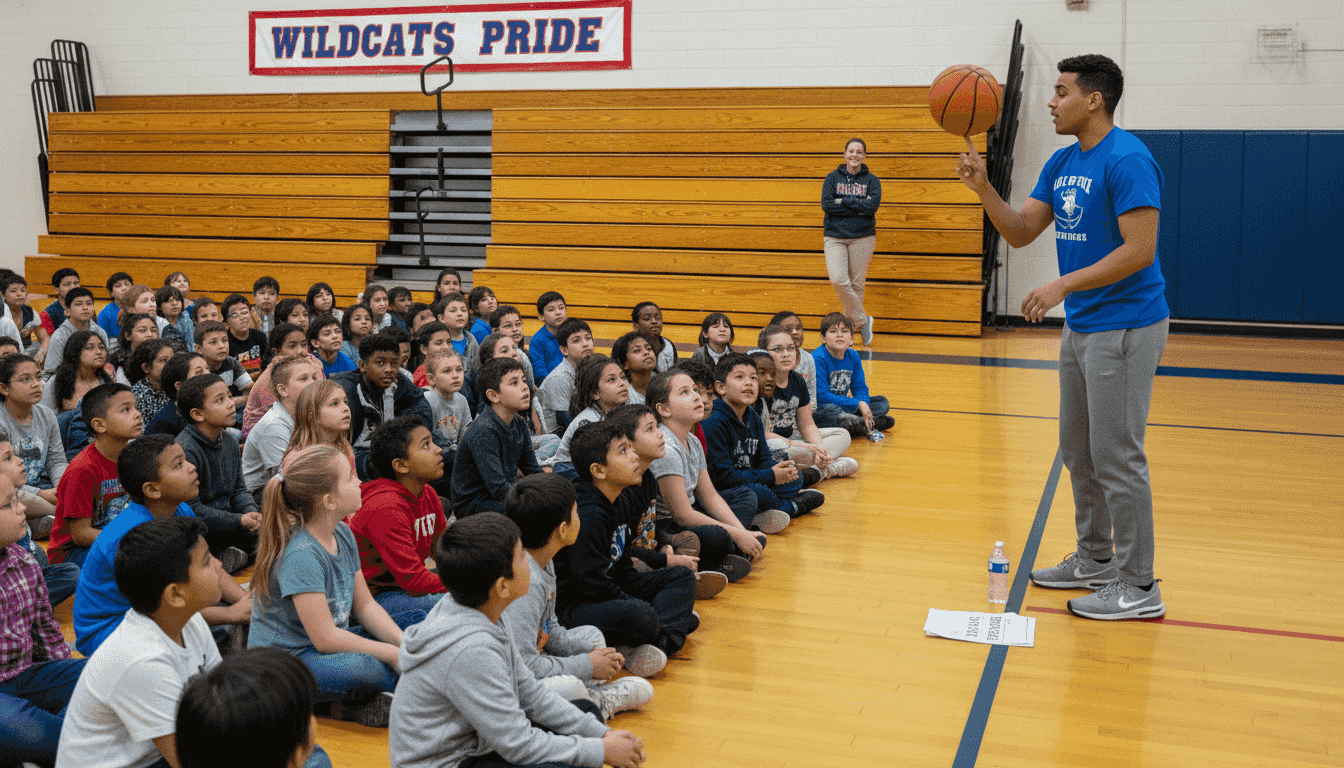
Nick Scott – Motivational Speaker works exceptionally well when your school needs to inspire students around perseverance, resilience, and personal growth. His dynamic presentations connect with middle and high school students who respond to authentic stories about overcoming challenges. If your objectives include boosting student confidence or addressing motivation gaps, Nick’s approach delivers measurable impact.
The bGreat Show excels for elementary and younger middle school audiences needing high-energy engagement with positive behavior reinforcement. The program combines entertainment with character lessons, making it ideal for schools targeting improved peer relationships and a more positive school culture. This show works particularly well in schools where you want students to leave energized and thinking about kindness.
Corey The Dribbler connects with students through basketball skills and athletic demonstrations combined with character education. This program appeals to sports-focused students and works well in schools addressing leadership, teamwork, and perseverance. Students remember the dribbling tricks and absorb the character message simultaneously.
Mystery of the Character Surprise provides an interactive, mystery-based experience that sparks genuine conversation about values and decision-making. This show works exceptionally well when your objectives include deepening critical thinking about character choices or addressing peer conflict resolution. The interactive nature keeps students engaged and thinking long after the assembly ends.
When selecting shows, consider your grade level distribution, budget, and theme priorities. Match program intensity to student age and developmental stage. Consider how different shows complement each other if you’re planning multiple assemblies throughout the year.
Here’s a quick comparison of popular assembly shows and their best-fit audience:
| Assembly Program | Ideal Audience | Core Focus | Unique Impact |
|---|---|---|---|
| Nick Scott – Motivational Speaker | Middle & High School | Perseverance & resilience | Inspires personal growth |
| The bGreat Show | Elementary & Middle School | Positive behavior | Energizes younger students |
| Corey The Dribbler | Elementary & Middle School | Leadership & teamwork | Sports-based motivation |
| Mystery of the Character Surprise | All Grades | Values & critical thinking | Interactive engagement |
You might also explore what works well in similar school communities by reviewing school assemblies that create memorable learning experiences to gain perspective on program selection.
Match every show selection directly to your identified needs. Entertainment value matters, but impact on your specific objectives matters more.
Pro tip: Request sample videos or testimonials from schools similar to yours. Hearing how other educators responded to each program helps you predict which show will resonate best with your student population and achieve your character education goals.
Step 3: Coordinate logistics and customize programming
With your shows selected, you now need to handle the operational details that make events run smoothly. Coordination and customization transform a good assembly into an experience that truly impacts your students.
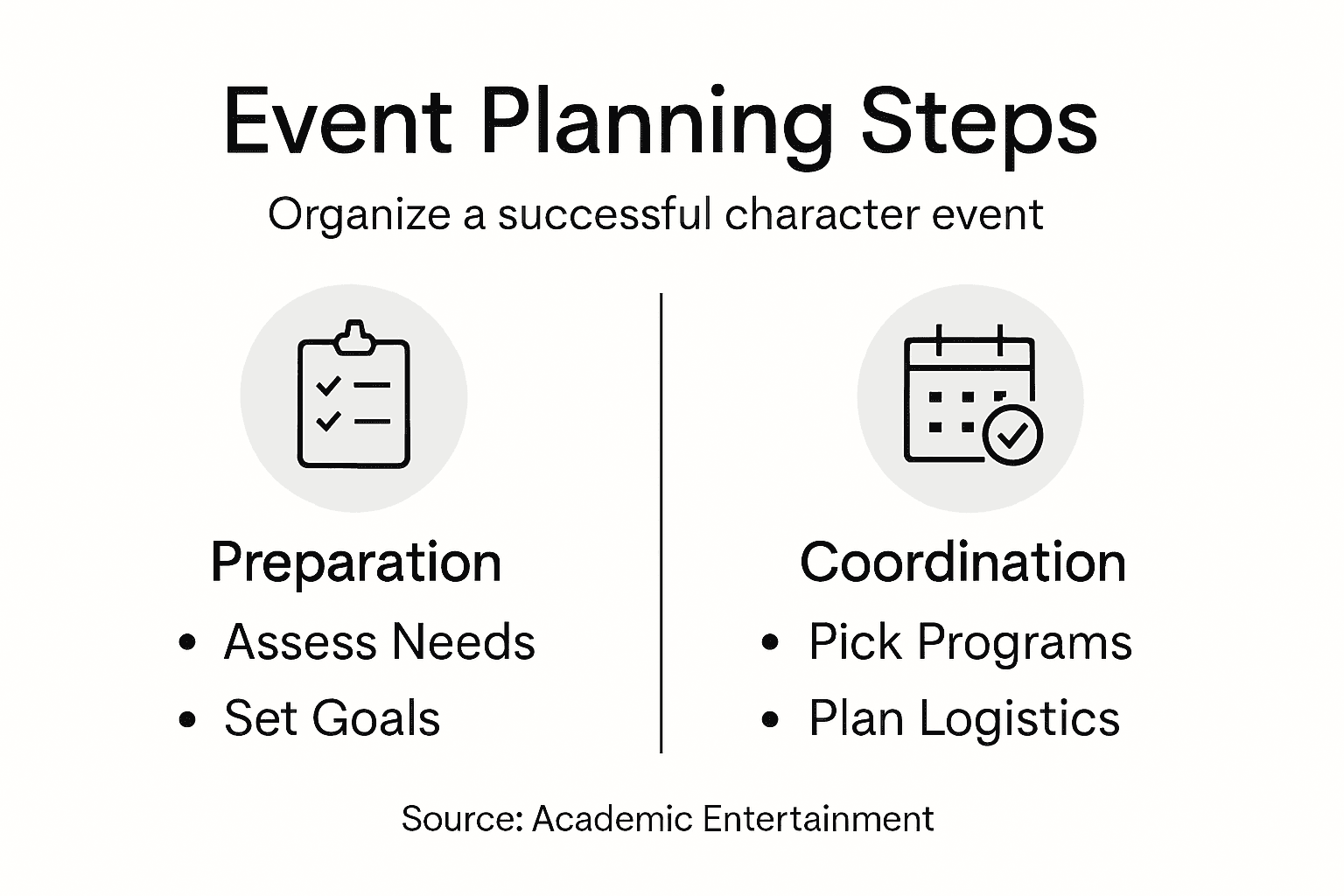
Start by scheduling the assembly around your school’s calendar and daily routines. Check for conflicts with testing, special events, or teacher planning days. Most schools find that mid-morning assemblies work best when students are alert but not yet tired.
Next, confirm technical requirements with your performers. Ask about stage setup, sound equipment, lighting needs, and space dimensions. Communicate these details to your facilities team well in advance so they can prepare the gymnasium or auditorium properly.
Customizing the content for your school is where real alignment happens. Work with your booking coordinator to tailor presentations to your specific grade levels, values, and identified needs. Tell performers about your school’s focus areas, whether that’s anti-bullying, leadership development, or cultural awareness. When presenters understand your context, they adjust their messaging to match your objectives.
You should also plan how teachers and staff will support the assembly experience:
- Brief teachers before the event about key messages to reinforce afterward
- Prepare transition activities or discussion prompts for classrooms following the show
- Assign staff to manage student behavior and enthusiasm during the program
- Consider how you’ll capture student responses or feedback
Effective coordination requires aligning programs with school schedules and student needs while ensuring customization reflects your character education goals. This means sharing your school’s core values with performers and discussing how specific content will resonate with your student population.
Create a detailed logistics checklist covering stage setup, sound checks, seating arrangements, student dismissal, and post-assembly activities. Share this checklist with all involved staff at least two weeks before the event.
Customization takes intentional communication. The more specific details you share with performers, the more personalized your school’s experience becomes.
Pro tip: Record a brief video message from your principal or counselor introducing the performer and connecting the assembly theme to your school’s character values. Showing this 30 seconds before the program helps students mentally prepare and increases message retention.
Step 4: Promote events and engage students
Building buzz around your assembly event gets students excited and primed to absorb the character messages. Strategic promotion transforms attendance into genuine engagement that extends far beyond the auditorium.
Start your promotion at least two weeks before the event. Use multiple channels to reach your entire school community. Post announcements in classrooms, hallways, and the school newsletter. Share details about the performer and what students will experience during the assembly.
Involve student leaders in promotion efforts. Ask them to make announcements, create posters, or share their excitement with peers. When students promote events to other students, the message carries more credibility and generates authentic enthusiasm.
You can also leverage creating a positive school climate where character education is visible by integrating assembly messages into daily school life. Highlight the character themes in morning announcements, classroom discussions, and bulletin boards leading up to the event.
Consider these practical promotion strategies:
- Create eye-catching posters featuring the performer’s name and character focus
- Have students design promotional materials in art or technology classes
- Share performer bios and key messages with families via email or social media
- Invite select students to introduce the performer at the assembly
- Offer “character preview” snippets that hint at what students will learn
Timing matters significantly. Announce the event early enough to build anticipation, but close enough that excitement remains fresh. The sweet spot is usually 10 to 14 days before the assembly.
Engage families by explaining why this assembly matters to your school’s character education goals. Parents who understand the purpose become partners in reinforcing messages at home. Send a brief message explaining how the event connects to your core values and what you hope students will gain.
The week before the event, ramp up energy with countdown announcements and student testimonials about past assemblies. This sustained promotion keeps students thinking about the assembly and prepares them mentally for the experience.
Strategic promotion isn’t just about filling seats. It’s about preparing students’ minds to receive and retain the character lessons your event delivers.
Pro tip: Create a simple one-page takeaway with key character messages from the assembly that teachers can distribute to classrooms the day after the event. This extends student engagement beyond the assembly and gives teachers an easy way to reinforce learning in their classrooms.
Step 5: Review impact and gather feedback
The assembly ended, but your work on evaluation is just beginning. Measuring impact and collecting feedback transforms one event into data that shapes better character education programming for years to come.
Start collecting feedback within 48 hours while the assembly experience remains fresh in students’ minds. Waiting too long dilutes memory and response quality. Create brief surveys for students asking what messages resonated, what they learned, and how they plan to apply the character lessons.
Don’t limit feedback to students. Survey teachers about observable behavior changes, classroom discussions sparked by the assembly, and how well the program addressed your stated objectives. Ask staff whether the customization matched your school’s needs and values.
Include families in your evaluation process. Send a simple survey or email asking parents what their children said about the assembly and whether they noticed any behavioral shifts. Parent perspectives reveal long-term impact beyond immediate school observations.
Use systematic data collection through surveys and interviews to gather comprehensive feedback across multiple groups. This mixed-methods approach reveals patterns you’d miss relying on single data sources.
Your evaluation should measure both immediate and longer-term outcomes:
- Immediate responses, such as student enthusiasm and attention during the assembly
- Short-term behavior changes, like reduced bullying incidents in the week following
- Classroom engagement with follow-up discussions and activities
- Student’s ability to articulate character lessons weeks later
- Teacher observations of sustained attitude or behavior improvements
Document specific examples alongside survey data. If a teacher noticed students spontaneously using conflict resolution skills learned during the assembly, that anecdote adds powerful context to your numbers.
Analyze your feedback against the specific objectives you set in Step 1. Did the assembly increase students’ reporting feeling safe? Did leadership behaviors improve among identified student groups? Did cultural awareness discussions deepen in classrooms?
Share your findings with staff and families. Celebrate successes and identify areas for improvement in future programming. This transparency builds support for ongoing character education investments.
Use this summary to track your assembly evaluation process:
| Evaluation Step | Who Participates | Data Collected | Next Action |
|---|---|---|---|
| Within 48 hours | Students, teachers, parents | Surveys, testimonials | Analyze impact |
| Longer-term follow-up | Teachers, parents | Behavior observations | Identify improvements |
| Share findings | Staff, families | Summary reports | Guide future programming |
Data without action is wasted effort. Use your evaluation findings to make concrete decisions about future programming and speaker selections.
Pro tip: Create a simple one-page summary of your evaluation results, highlighting key findings, student quotes, and recommendations for next year. Share this with your administration and keep it in your files as evidence of program impact when justifying character education budgets.
Elevate Your Character Education Events with Expert Support
Organizing impactful character education events can feel overwhelming when you need to align objectives, select the right assembly shows, coordinate logistics, and measure real impact. This article highlights common challenges schools face, such as tailoring programs to specific character needs, engaging students meaningfully, and capturing valuable feedback. If you want to avoid booking events that entertain but miss your goals, consider partnering with a trusted provider who understands how to customize assemblies to your unique school community.
Academic Entertainment brings over 40 years of experience helping K-12 schools across the U.S. deliver powerful, tailored programs that energize students and foster lasting character growth. From motivational speakers like Nick Scott to interactive shows such as Mystery of the Character Surprise, our platform offers a wide range of options to meet your social-emotional learning goals and specific character development objectives. We provide detailed program information, customizable content, and smooth booking processes designed to simplify event planning and maximize your assembly’s impact.
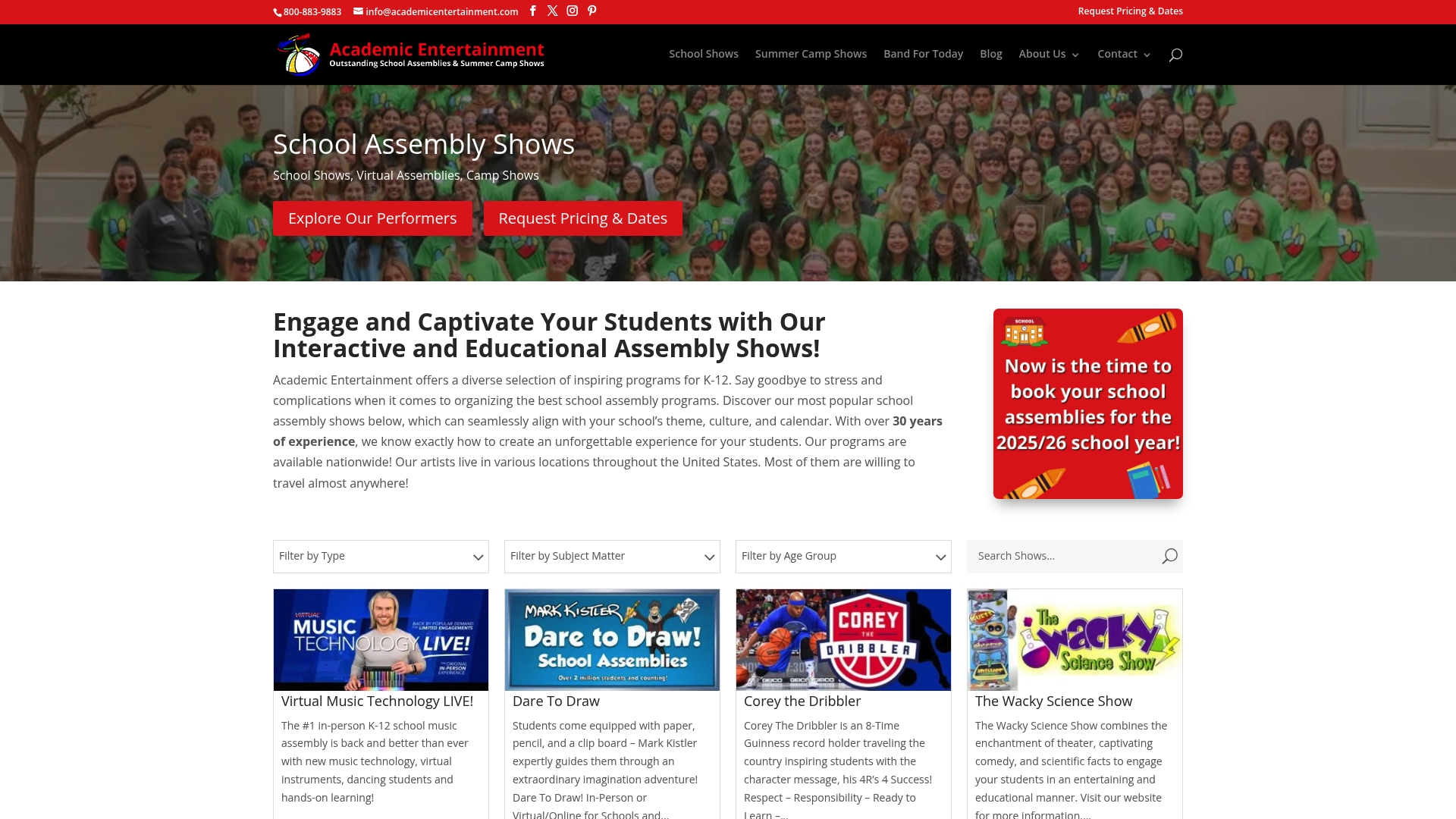
Take the next step in transforming your character education events by exploring our carefully curated assemblies and expert support. Visit Academic Entertainment now to discover how we can help you engage students, reinforce your school’s values, and create meaningful learning experiences. Don’t wait to make a difference in your school culture—plan your unforgettable character education program today at https://www.academicentertainment.com/.
Frequently Asked Questions
How do I assess my school’s needs for character education events?
Start by gathering input from all stakeholders, including teachers, administrators, parents, and students. Analyze existing data, such as discipline reports and survey responses, to pinpoint specific character gaps and objectives.
What should I include when defining objectives for character education events?
Define clear, measurable objectives that target specific needs, such as increasing the number of students feeling safe at school by 25% within one semester. Ensure these objectives directly relate to your identified character values and needs assessment findings.
How do I choose the right assembly programs for my school?
Match assembly programs to the specific needs you’ve identified in your assessment. Consider factors like the age group of the students, the specific character values to address, and the type of engagement that will resonate best with your student population.
What logistical details should I coordinate for a successful character education assembly?
Confirm scheduling, technical requirements, and stage setup with performers well in advance. Create a detailed logistics checklist covering all aspects, such as sound checks and support staff assignments, to ensure the event runs smoothly.
How can I effectively promote character education events to engage students?
Promote events at least two weeks in advance through various channels like posters, announcements, and newsletters. Involve student leaders to create excitement, and provide consistent reminders to maintain enthusiasm leading up to the event.
What methods can I use to gather feedback after the character education events?
Distribute surveys to students, teachers, and parents within 48 hours of the event to collect immediate feedback. Analyze both quantitative data and qualitative responses to assess the program’s impact on students’ character behaviors and attitudes.


