When students learn in groups, even the most basic nutrition lessons can become memorable adventures. For K-12 school administrators and event coordinators, creating engaging National Nutrition Month activities is a proven way to inspire healthier eating habits and physical activity in every grade level. This article spotlights practical strategies and interactive ideas—like cooking demonstrations and nutrition-themed games—that transform assemblies into opportunities for lifelong healthy choices.
Key Takeaways
| Point | Details |
|---|---|
| Engaging Assemblies Enhance Learning | National Nutrition Month assemblies should focus on interactive presentations to effectively capture student attention and inspire healthy choices. |
| Diverse Themes Foster Interest | Selecting creative and relevant themes for nutrition shows helps keep students engaged while delivering essential health education. |
| Community Involvement is Key | Collaborating with community partners enriches nutrition programs and provides various perspectives that enhance learning experiences. |
| Safety and Inclusion Are Essential | Careful planning must address dietary restrictions and accessibility to ensure all students feel included and valued during nutrition assemblies. |
Understanding National Nutrition Month Assemblies
National Nutrition Month represents a critical annual campaign designed to educate students about healthy eating habits and nutritional awareness. Created by the Academy of Nutrition and Dietetics, this nationwide initiative transforms school assemblies into powerful platforms for promoting student wellness.
These school-wide events serve multiple educational objectives by delivering engaging nutrition lessons that go beyond traditional classroom instruction. Nutrition Month assemblies leverage interactive presentations, demonstrations, and group activities to capture students’ attention and inspire lasting dietary changes. The primary goals include:
- Introducing age-appropriate nutrition concepts
- Encouraging healthy food choices
- Promoting physical activity awareness
- Building positive relationships with nutrition
School administrators can strategically design these assemblies to align with comprehensive school health programs, ensuring students receive consistent messaging about nutrition and wellness. By creating immersive learning experiences, schools transform nutrition education from a mundane lecture into an exciting, memorable event that can potentially influence lifelong health behaviors.
Interactive elements are crucial in making these assemblies effective. This might involve cooking demonstrations, nutrition-themed games, student participation challenges, or performances that illustrate healthy lifestyle concepts. The goal is to make learning about nutrition fun and engaging rather than didactic and boring.
Nutrition assemblies are not just about information—they’re about inspiring students to make healthier choices throughout their lives.
Pro tip: Design your National Nutrition Month assembly with interactive, age-appropriate content that makes learning about healthy eating feel like an exciting adventure, not a lecture.
Selecting Interactive Nutrition Show Themes
Creating engaging nutrition shows for students requires thoughtful theme selection that captures young learners’ imagination while delivering critical health education. Interactive nutrition education programs transform traditional learning by incorporating dynamic, age-appropriate content that makes healthy eating exciting and accessible.
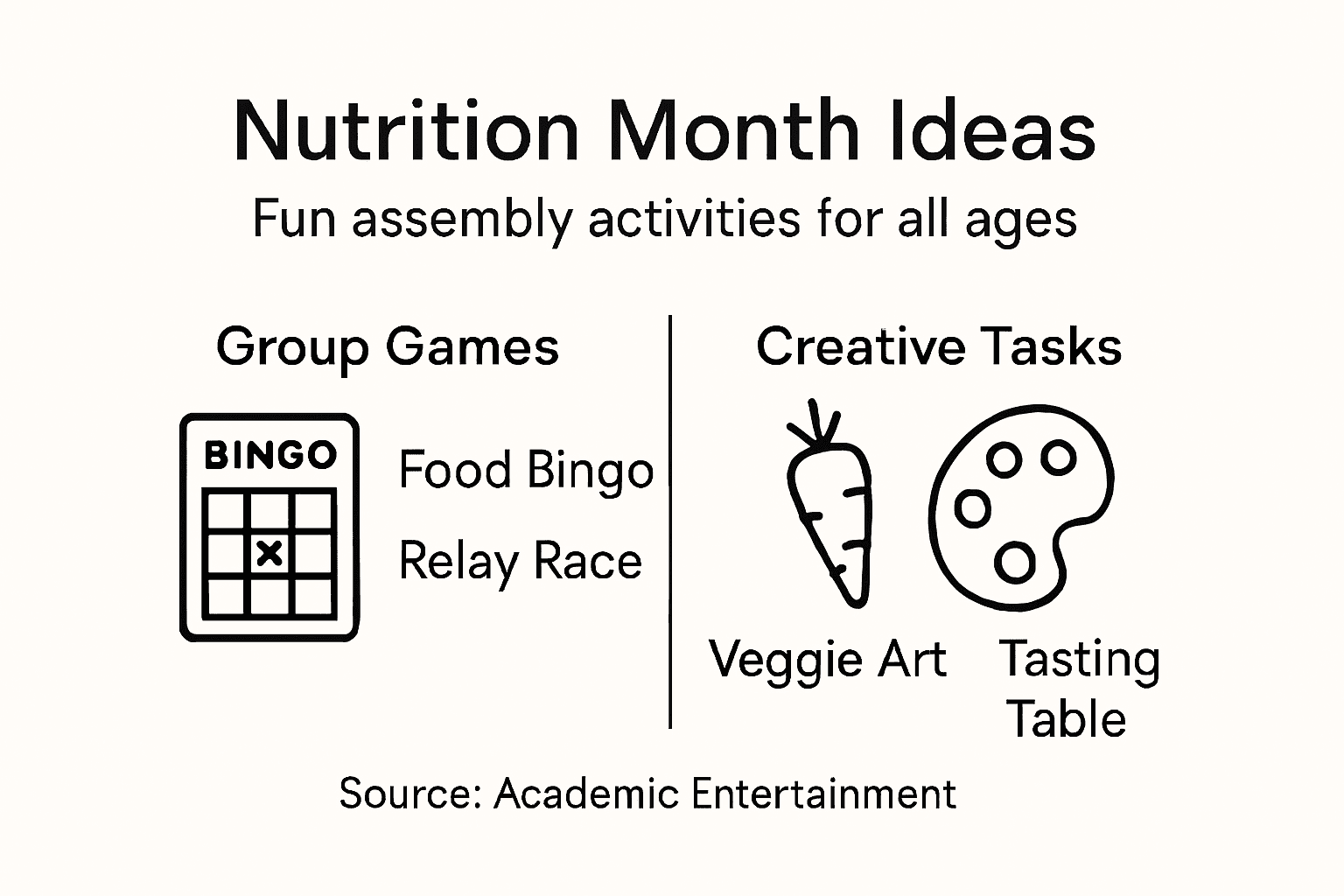
Successful nutrition show themes should address multiple educational objectives through creative, participatory approaches. Nutrition Show Themes can encompass a variety of engaging formats:
- Farm-to-table learning experiences
- Food safety exploration
- MyPlate adventure challenges
- Cultural food tradition demonstrations
- Interactive cooking demonstrations
- Nutrition quiz competitions
School administrators and educators can leverage comprehensive nutrition education strategies that blend entertainment with substantive learning. By designing themes that resonate with students’ interests and developmental stages, schools can transform nutrition education from a mundane lecture into an immersive, memorable experience.
Interactive elements are crucial in making these shows compelling. Successful programs often incorporate hands-on activities, storytelling, digital tools, and group participation to maintain student engagement. The goal is to create an environment where learning about nutrition feels like an adventure rather than a mandatory lesson.
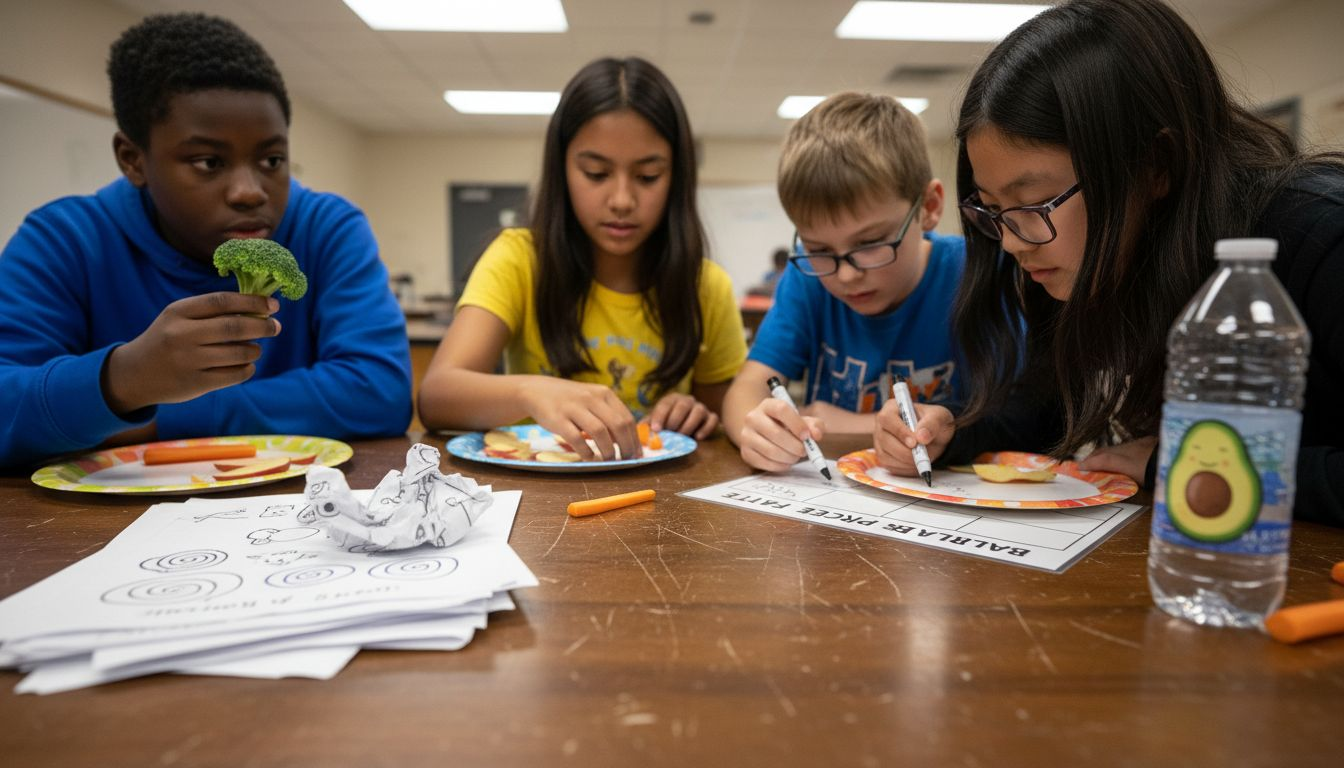
Here’s a comparison of interactive elements used in nutrition assemblies and shows and their impact on student engagement:
| Interactive Element | Implementation Example | Impact on Students |
|---|---|---|
| Cooking Demonstrations | Live, step-by-step food prep | Boosts participation |
| Nutrition-themed Games | Team trivia or puzzles | Increases energy levels |
| Student Participation | On-stage challenges | Enhances retention |
| Storytelling/Performances | Skits about healthy habits | Sparks interest |
Effective nutrition shows don’t just teach—they inspire students to make lifelong healthy choices.
Pro tip: Design your nutrition show themes around real-world experiences that connect directly to students’ daily lives, making healthy eating feel relevant and exciting.
Designing Hands-On Activities for All Ages
Effective nutrition education requires a strategic approach that adapts to different developmental stages, ensuring engaging and age-appropriate learning experiences. Hands-on nutrition activities provide students with interactive opportunities to explore healthy eating concepts through practical, memorable interactions.
Designing comprehensive nutrition activities involves creating diverse, adaptive experiences that cater to various age groups and learning styles. Nutrition Learning Activities should be structured to progressively build understanding:
- Preschool (Ages 3-5)
- Color sorting fruits and vegetables
- Simple food group matching games
- Sensory exploration of different foods
- Elementary (Ages 6-11)
- Cooking demonstrations
- Nutrition label scavenger hunts
- Interactive meal planning worksheets
- Middle/High School (Ages 12-18)
- Advanced cooking skills
- Nutrition challenge competitions
- Personal dietary analysis projects
Comprehensive nutrition education strategies emphasize experiential learning that goes beyond traditional lecture formats. By incorporating hands-on experiences like gardening projects, interactive cooking classes, and collaborative nutrition challenges, schools can transform nutrition education into an engaging, student-driven exploration.
Interactive elements are crucial in maintaining student engagement. Successful programs blend educational content with entertaining activities that make learning feel like an exciting discovery rather than a mandatory lesson. The key is creating experiences that feel more like play than traditional instruction.
Nutrition education isn’t about lecturing—it’s about inspiring students to make informed, healthy choices.
Pro tip: Customize your nutrition activities to match students’ developmental stages, ensuring each age group experiences learning that feels both challenging and enjoyable.
Involving Staff and Community Partners
Creating a comprehensive National Nutrition Month assembly requires a collaborative approach that extends beyond traditional classroom boundaries. Successful school nutrition programs demand active engagement from multiple stakeholders, transforming nutrition education into a community-wide initiative.
Collaborative Nutrition Partnerships can be strategically developed across different organizational levels:
- School Staff Involvement
- Teachers integrating nutrition lessons
- Nutrition services personnel designing menu experiences
- Administrators supporting program development
- Community Partner Engagement
- Local farmers sharing agricultural insights
- Health organizations providing expert presentations
- Parent groups supporting nutritional messaging
- External Stakeholder Connections
- Government health departments
- Local restaurant nutritionists
- Wellness program coordinators
Whole school nutrition approaches emphasize creating interconnected learning environments where nutrition education becomes a shared responsibility. By involving diverse perspectives, schools can develop rich, multifaceted programs that resonate with students and provide real-world nutritional context.
Interactive collaboration allows schools to customize nutrition messaging, making it relevant and engaging. When community partners contribute their expertise, nutrition assemblies transform from standard presentations into dynamic, immersive learning experiences that inspire lasting healthy habits.
This summary highlights the key benefits of involving different stakeholder groups in nutrition assemblies:
| Stakeholder Group | Role in Program | Unique Benefit |
|---|---|---|
| School Staff | Content delivery | Trusted daily influencers |
| Community Partners | Real-world expertise | Expands perspectives |
| Government Health Agencies | Oversight & guidance | Ensures best practices |
| Parents | Support at home | Reinforces messaging |
Community partnerships turn nutrition education from a lecture into a meaningful, collaborative journey.
Pro tip: Map out potential community partners early, creating a diverse network of nutrition experts who can bring unique perspectives to your National Nutrition Month assembly.
Safety, Inclusion, and Logistics for Assemblies
Planning a successful National Nutrition Month assembly requires meticulous attention to school safety and inclusive practices. School administrators must carefully consider multiple dimensions to create an environment that supports every student’s nutritional learning experience.
Key Safety and Inclusion Components encompass several critical planning areas:
- Dietary Accommodation
- Identify student allergies
- Provide alternative food options
- Create clear ingredient labels
- Physical Accessibility
- Ensure wheelchair-accessible spaces
- Provide translation services
- Accommodate sensory sensitivities
- Logistical Considerations
- Manage appropriate crowd sizes
- Schedule around existing school timetables
- Prepare necessary equipment in advance
Comprehensive nutrition initiatives demand cultural sensitivity and strategic planning. By developing protocols that respect diverse dietary needs and learning styles, schools can transform nutrition assemblies into welcoming, educational experiences that reach every student.
Interactive planning involves anticipating potential challenges and creating flexible solutions. This means developing contingency plans, consulting with school health professionals, and maintaining open communication channels with students, parents, and staff.
An inclusive nutrition assembly isn’t just about sharing information—it’s about making every student feel valued and supported.
Pro tip: Create a comprehensive checklist that addresses dietary restrictions, physical accommodations, and cultural sensitivities before finalizing your National Nutrition Month assembly.
Transform Your National Nutrition Month Assembly with Engaging Educational Programs
Planning an interactive and inclusive National Nutrition Month assembly can be challenging. Schools strive to create hands-on activities and dynamic nutrition shows that inspire students to make lifelong healthy choices while accommodating diverse needs. This article highlights essential elements like interactive content, collaborative partnerships, and age-appropriate learning designed to move beyond lectures and truly engage every student.
At Academic Entertainment, we understand these goals and offer over 40 years of experience crafting customizable school assemblies that blend education with fun. Our wide range of live and virtual programs includes health-focused shows and character-building presentations that complement nutrition education efforts. By integrating expert performances and interactive learning experiences, your National Nutrition Month assembly can become a memorable event that motivates students and involves your entire school community.
Looking to elevate your next nutrition or wellness event with captivating content that resonates?
Explore our selection of educational assembly programs designed to engage K-12 students while reinforcing vital health messages. Don’t wait—partner with Academic Entertainment today to bring your National Nutrition Month assembly to life and foster a healthier school culture for years to come.
Frequently Asked Questions
What are the main objectives of a National Nutrition Month assembly?
The main objectives include introducing age-appropriate nutrition concepts, encouraging healthy food choices, promoting awareness of physical activity, and building positive relationships with nutrition.
How can schools ensure that nutrition assemblies are engaging for students?
Schools can make assemblies engaging by incorporating interactive elements such as cooking demonstrations, nutrition-themed games, student participation challenges, and performances that illustrate healthy lifestyle concepts.
What age-appropriate activities can be included for different grade levels in nutrition education?
For preschoolers, activities can include color sorting fruits and vegetables, while elementary students can engage in nutrition label scavenger hunts. Middle and high school students may benefit from advanced cooking skills sessions and personal dietary analysis projects.
How important is community involvement in planning a National Nutrition Month assembly?
Community involvement is crucial as it brings diverse expertise and perspectives, creating a richer, more comprehensive nutrition education experience. Active engagement from community partners, such as local farmers and health organizations, enhances the learning environment for students.
Recommended
- Best High School Assembly Activities and Games Idea for Students
- Health and Fitness School Assemblies for Student Wellness
- Organizing Health Education Assemblies for Schools – Academic Entertainment
- Role of Assemblies in Health Education: Benefits for K-12 Schools – Academic Entertainment
- Teacher Shirt Trends Shaping Classroom Style – ChillStitchApparel
- Hair Nutrition Food: Boosting Growth and Vitality | MyHair