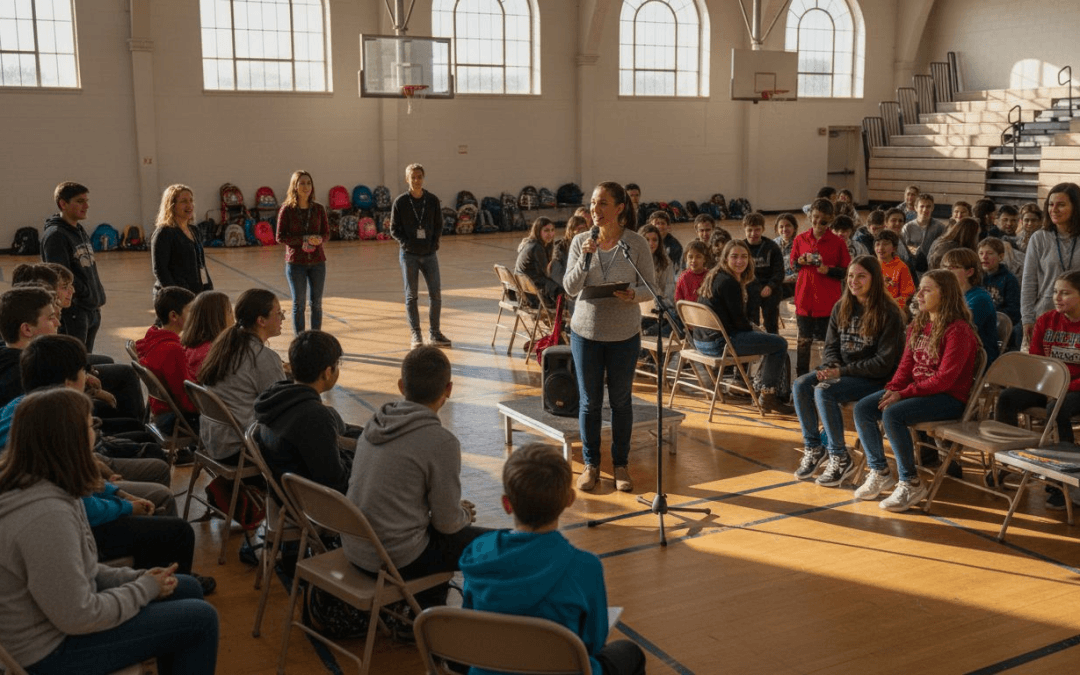
Every K-12 administrator knows how challenging it can be to knit together a truly connected school community. School assemblies offer more than just a break from routine—they are structured, shared experiences that bring students and staff together to build unity and reinforce shared values. Research from California public high schools highlights how assemblies promote school unity and create space for recognizing achievements, celebrating diversity, and building positive relationships across your campus.
Key Takeaways
| Point | Details |
|---|---|
| School Assemblies Foster Connection | Assemblies unite the entire school community, reinforcing shared values and broadening engagement beyond the classroom. |
| Purposeful Planning Enhances Impact | Clear objectives and relevant content in assemblies can significantly increase student engagement and retention of messages. |
| Diversity and Inclusion Are Essential | Incorporating diverse perspectives into assemblies helps all students feel represented and promotes empathy within the school environment. |
| Follow-Up Reinforces Learning | Discussions and activities post-assembly amplify the impact of the event, ensuring that key messages resonate long after the assembly concludes. |
Defining School Assemblies and Community Impact
A school assembly is a structured gathering where students, staff, and sometimes families come together for a shared experience designed to build connections and advance educational goals. These events go beyond typical classroom instruction by creating moments where your entire school community engages with important topics simultaneously.
Unlike isolated classroom lessons, assemblies reach every student at once. This unified experience creates a common reference point across your school and reinforces your school’s values and priorities in a way that individual classrooms alone cannot replicate.
School assemblies serve multiple practical purposes in your building:
- Administrative coordination to share school-wide announcements and updates efficiently
- Student recognition that celebrates achievements in academics, sports, arts, and character
- Cultural awareness and inclusion by exposing students to diverse perspectives and traditions
- Behavioral development where students practice positive audience conduct and social skills
- School unity by creating shared experiences that connect students across grade levels and backgrounds
Research shows that school assemblies promote unity while enhancing relationships between students and faculty. Administrators recognize assemblies as valuable tools to overcome common challenges through skillful planning, even with budget or facility limitations.
Community impact extends beyond the assembly itself. When your school hosts an assembly focused on character development, anti-bullying, or cultural topics, students leave with reinforced lessons they discuss with peers and families. This ripple effect strengthens the entire school culture.
Modern assemblies also engage youth as changemakers. School Citizen Assemblies bring together students, experts, and community stakeholders to address real social problems collaboratively. This approach transforms passive attendance into active civic participation.
The power of assemblies lies in their ability to create moments of collective identity. When a student performer takes the stage or a speaker delivers a message about respect, every student experiences it simultaneously. That shared moment becomes part of your school’s story.
Assemblies work because they unite your entire school around common values and goals in a way individual classrooms simply cannot achieve.
Pro tip: Select assembly topics that directly support your current school initiatives—whether that’s anti-bullying, diversity, character education, or academic motivation—to maximize relevance and reinforce consistent messaging throughout your building.
Types of K-12 Assemblies and Their Purposes
School assemblies aren’t one-size-fits-all events. Different types serve distinct purposes and connect to your specific school goals. Understanding what each assembly type accomplishes helps you choose programs that align with your community’s needs.
Academic and STEM Assemblies focus on engaging students in learning through hands-on demonstrations and interactive performances. These assemblies show students that science, technology, engineering, and math are exciting and relevant to real life. STEM school assemblies help motivate students to pursue these subjects while making complex concepts accessible and entertaining.
Character Education Assemblies address core values like respect, responsibility, kindness, and integrity. These programs reinforce the behaviors you want to see throughout your building. They often feature stories, role-playing, or peer discussions that help students understand how character decisions impact their school community.
Cultural and Diversity Assemblies celebrate different backgrounds, traditions, and perspectives within your school. These events reduce stereotypes, build empathy, and help all students see themselves represented in school culture. They’re particularly valuable for fostering multicultural appreciation across your entire student body.
Anti-Bullying and Safety Assemblies directly address behavioral concerns and social-emotional issues. These programs teach students about inclusion, peer support, and reporting harmful behavior. They create a common language around kindness and respect that students carry into classrooms and hallways.
Motivational and Leadership Assemblies inspire students to set goals and develop skills like teamwork and resilience. Speakers share personal stories of overcoming challenges, helping students see possibilities for themselves.
Arts and Performance Assemblies showcase music, dance, theater, and visual art. These events celebrate student talent and exposure to creative expression, connecting learning to culture and human experience.
Different grade levels need different approaches too:
- Elementary assemblies emphasize fun, interactive participation, and stories with clear lessons
- Middle school assemblies balance peer-relatable content with emerging leadership opportunities
- High school assemblies tackle more complex social issues and engage students as active participants
Each assembly type serves a specific purpose in your school’s culture, so matching the right type to your goals ensures maximum impact.
Pro tip: Rotate assembly types throughout the year to address different priorities—start with character education in the fall, add cultural celebrations at midyear, and finish with leadership and motivation as students prepare for the next level.
Here’s a comparison of common types of school assemblies and their unique long-term benefits:
| Assembly Type | Lasting Impact on Students | Community Benefit |
|---|---|---|
| STEM/Academic | Sparks subject interest and curiosity | Builds support for enrichment programs |
| Character Education | Reinforces integrity and responsible choices | Reduces conflicts and creates trust |
| Cultural/Diversity | Increases empathy and sense of belonging | Decreases bias and celebrates identities |
| Anti-Bullying/Safety | Promotes a safer school culture and peer advocacy | Enhances student well-being and reduces incidents |
| Arts/Performance | Grows creativity and expression | Fosters pride and supports the arts |
| Motivational/Leadership | Encourages goal-setting and initiative | Inspires civic involvement and collaboration |
How Assemblies Foster Belonging and Inclusion
Belonging matters. When students feel they’re part of something larger than themselves, they engage more, behave better, and achieve at higher levels. Assemblies create those moments of belonging in ways few other school activities can replicate.
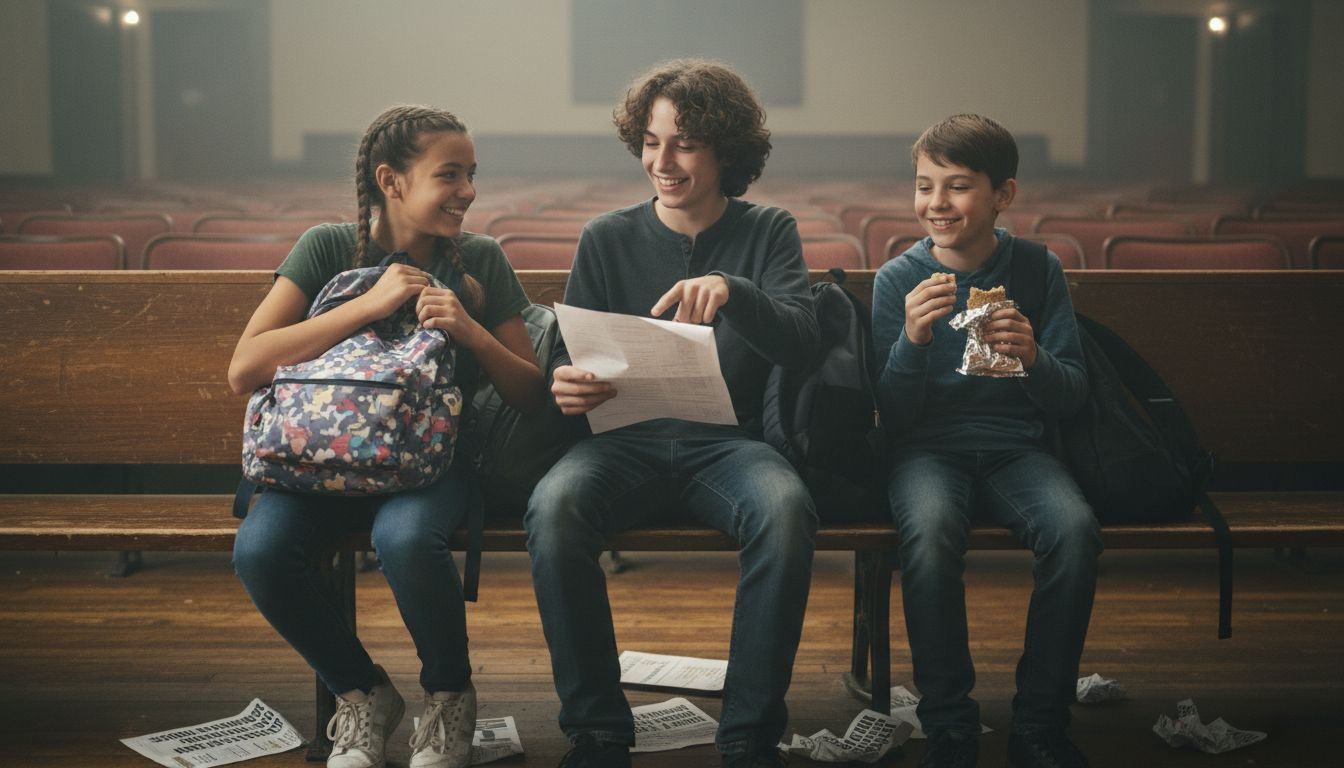
When your entire school gathers for an assembly, invisible walls between grade levels, social groups, and cliques temporarily dissolve. A ninth grader sits next to a sixth grader. The honors student sits near the student who struggles academically. For one hour, everyone shares the same experience, laughs at the same jokes, and absorbs the same message.
This shared experience is powerful. Students realize they’re not alone in their challenges, their interests, or their values. Assemblies create belonging by uniting students and staff through experiences that matter.
Inclusion through diverse representation is another critical way assemblies build community. When assembly programs feature performers, speakers, or content reflecting different cultures, abilities, backgrounds, and perspectives, every student sees themselves represented. A student from a marginalized community notices someone who looks like them on stage. A student with a disability sees accessibility accommodated. These moments send a clear message: you belong here.
Assemblies address difficult topics, too:
- Anti-bullying programs that teach empathy and peer support
- Mental health discussions that normalize seeking help
- Diversity celebrations that reduce stereotypes
- Inclusion initiatives that welcome all learners
These conversations build empathy and resilience across your entire school. When students hear a speaker share a personal struggle with anxiety, they suddenly understand that their quiet classmate might be experiencing something similar. Isolation decreases. Understanding increases.
The physical act of gathering matters as well. Students sit in bleachers or chairs as part of a collective body, not separate individuals in separate classrooms. This creates what researchers call collective efficacy—the belief that the group can accomplish something meaningful together.
Belonging isn’t created by nice posters in hallways; it’s created by genuine, shared experiences where students see themselves reflected and feel part of something real.
Pro tip: Partner with performers or speakers whose backgrounds reflect your student body’s diversity, ensuring every student sees authentic representation on stage and feels genuinely included in your school’s story.
Key Outcomes: Culture, Character, and Engagement
Assemblies produce measurable results across three critical areas that directly impact your school’s success. Understanding these outcomes helps you evaluate assembly effectiveness and make data-driven decisions about programming.
Positive School Culture emerges when assemblies become regular touchstones for your community. Culture isn’t built through policies alone; it’s built through repeated, shared experiences that reinforce your school’s values. When students consistently hear messages about respect, kindness, and inclusion during assemblies, those values become embedded in hallway conversations and classroom interactions.
A strong assembly program creates visible evidence of a culture shift. Hallway behavior improves. Students reference assembly messages in peer conversations. New students quickly absorb your school’s norms by watching how the school community responds during assemblies.
Character development happens when assemblies directly teach and model the behaviors you want. Character assemblies impact students by reinforcing core values through storytelling, demonstration, and peer discussion.
Key character outcomes include:
- Increased empathy as students hear diverse perspectives and personal stories
- Better decision-making when they see the consequences of character choices modeled
- Peer leadership development when older students see assembly content and mentor younger peers
- Reduced behavioral incidents tied to respect and inclusion messages
- Stronger conflict resolution skills taught through real-world scenarios
Student engagement measures how actively involved students are in learning and school activities. Assemblies boost engagement by creating experiences that feel different from regular instruction. Live performances, interactive demonstrations, and powerful speakers capture attention in ways textbooks cannot.
Engagement outcomes appear in multiple ways. Attendance rates improve on assembly days. Students discuss assembly content with family members, extending learning beyond school. Motivation increases toward subject areas featured in assemblies.
The ripple effects extend beyond the assembly itself. A student inspired by a science demonstration might join the robotics club. A student moved by an anti-bullying message becomes a peer mediator. These individual choices multiply across your entire school.
Assemblies work when culture, character, and engagement outcomes are tracked together, showing how shared experiences transform student behavior and school community health.
Pro tip: Survey students 2-3 weeks after assemblies, asking what they remember, what changed in their thinking, and how they applied the message—this data shows real impact and helps you select future programming.
This table summarizes how assemblies influence key areas of school health:
| Outcome Area | Typical Indicators | How Assemblies Help |
|---|---|---|
| School Culture | Positive hallway interactions | Shared messages shape norms |
| Character | Increase in peer mentorship | Real scenarios model values |
| Engagement | Higher event attendance | Hands-on programs boost interest |
| Inclusion | Broader student voice | Diverse speakers reflect the community |
Avoiding Pitfalls and Maximizing Assembly Benefits
Not every assembly delivers results. The difference between a transformative assembly and a forgettable one often comes down to intentional planning and avoiding common mistakes. Understanding these pitfalls helps you design assemblies that actually stick with students.
The biggest mistake schools make is scheduling an assembly without a clear purpose. You might book a performer because they’re available or affordable, but if the content doesn’t connect to your school’s priorities, students disengage. They sit passively, check their phones, and forget the experience by dismissal.
Maximizing assembly benefits requires defining clear objectives first. What specific change do you want in student behavior, knowledge, or attitudes? Is your goal to reduce bullying, increase STEM interest, celebrate diversity, or build school spirit? That clarity shapes everything that follows.
Common assembly pitfalls to avoid:
- Irrelevant content that misses your student population’s developmental level or interests
- Passive participation, where students sit and watch without engagement
- Logistical chaos caused by poor scheduling, sound issues, or crowd management
- Missed follow-up when no one reinforces assembly messages in classrooms afterward
- One-size-fits-all thinking that ignores your school’s unique culture and needs
Strategic planning prevents these problems. Know your audience by surveying students about topics that matter to them. Involve teachers in planning so they can reinforce messages in class. Coordinate with speakers about your specific goals and student demographics.
Logistics matter more than you’d think. Test audio equipment beforehand. Brief staff on crowd management and discipline expectations. Schedule assemblies when students are most alert, not right after lunch or at the end of the day.
The real magic happens after the assembly ends. When teachers reference assembly messages during lessons, discuss student reactions, or have students write about what they learned, the impact multiplies. Without follow-up, even excellent assemblies fade quickly.
Assembly success depends less on finding the perfect performer and more on defining your goals, knowing your audience, and planning the details that bring it all together.
Pro tip: Create a post-assembly classroom discussion guide for teachers that takes just 10 minutes but reinforces key messages and helps students apply what they learned to their own lives.
Elevate Your School Community with Engaging Assemblies
Building a strong sense of belonging and shared purpose in schools takes more than good intentions. The challenge lies in creating meaningful assemblies that connect every student while reinforcing character, culture, and inclusion. As the article highlights, assemblies that foster empathy, diversity, and active participation transform school culture and create lasting impact. Whether you aim to inspire leadership or promote anti-bullying, finding the right program that speaks directly to your students is essential.
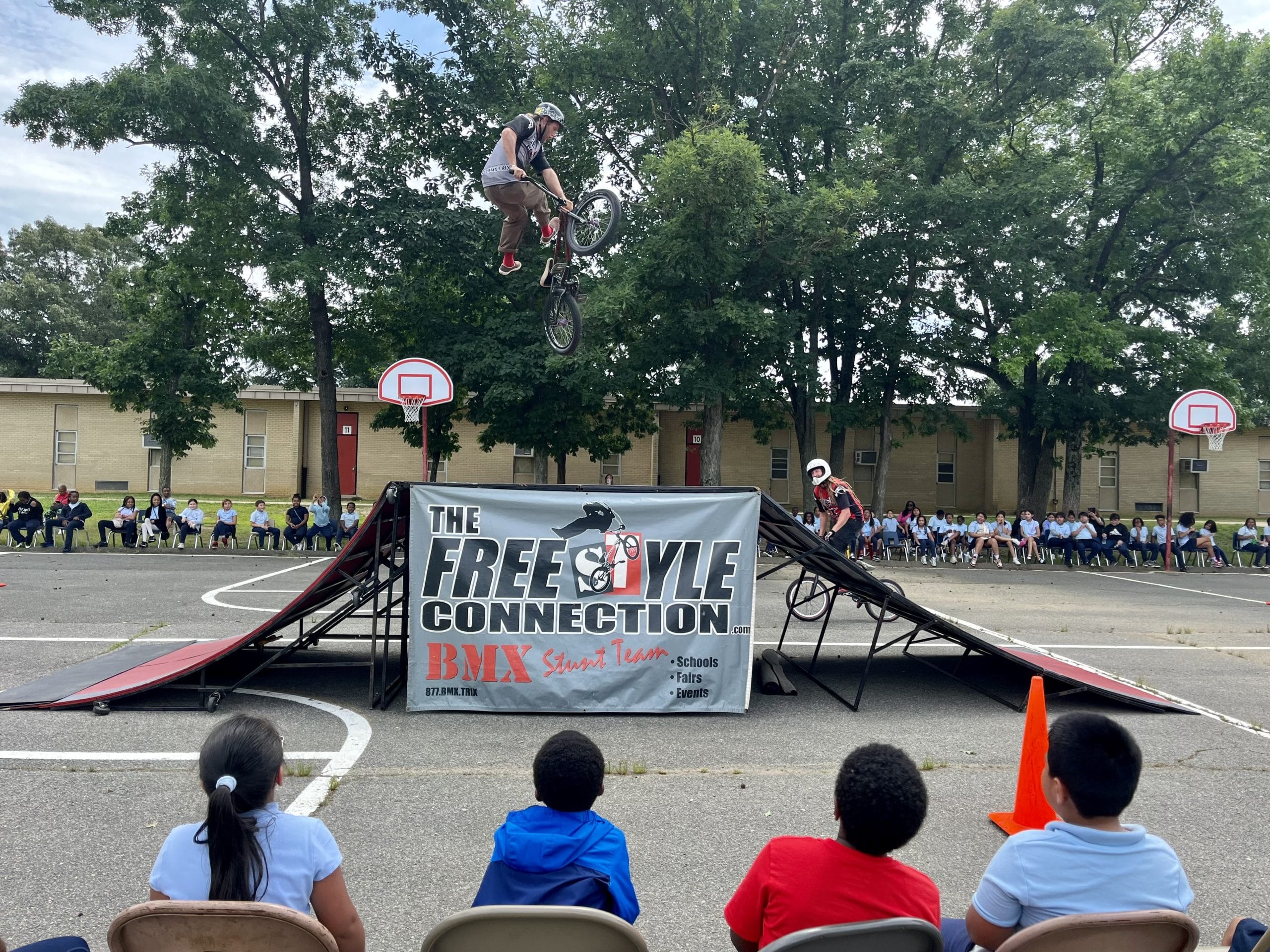
Discover how Academic Entertainment helps schools across the United States bring these powerful moments to life. With over 40 years of experience, our tailored assembly programs cover STEM, character education, cultural celebrations, and more—each designed to boost engagement and build unity. Explore our diverse lineup and turn your next school assembly into a memorable event that truly strengthens community bonds. Visit Academic Entertainment’s booking page now to customize your program and empower your students with inspiring, educational experiences.
Frequently Asked Questions
What are the main purposes of school assemblies?
School assemblies serve several purposes, including administrative coordination, student recognition, cultural awareness, behavioral development, and promoting school unity. They create a shared experience that reinforces the school’s values and priorities.
How do assemblies foster a sense of belonging among students?
Assemblies create moments of belonging by bringing students from different grades and backgrounds together. This shared experience helps dissolve social barriers, allowing students to connect and feel part of a larger community.
What types of assemblies can schools host to enhance community engagement?
Schools can host various types of assemblies, such as academic and STEM, character education, cultural diversity, anti-bullying, motivational leadership, and arts performances. Each type serves distinct purposes that align with the school’s goals.
How can schools ensure the effectiveness of their assemblies?
To ensure effectiveness, schools should define clear objectives for each assembly, choose relevant content, engage students actively, manage logistics well, and follow up with classroom discussions to reinforce assembly messages.
Recommended
- Understanding the Role of Assemblies for Elementary Students – Academic Entertainment
- STEM School Assemblies – Academic Entertainment
- Benefits of Assemblies: Complete Guide for Schools – Academic Entertainment
- Assemblies and Character Building in Schools – Academic Entertainment