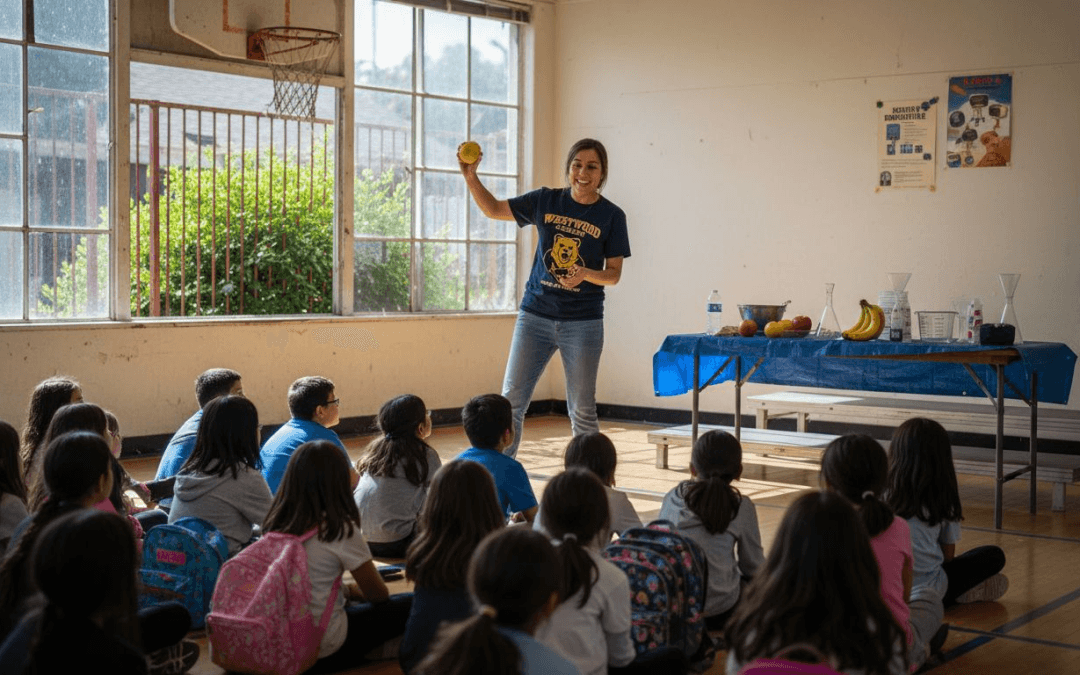
Over 80 percent of American schools now offer creative assembly programs that go far beyond textbooks and lectures. When students engage in music technology, interactive art, cultural dance, or hands-on science, learning becomes unforgettable. These programs inspire a deeper curiosity, build confidence, and show young learners how subjects like math, music, and art connect to real American experiences both inside and outside the classroom.
Quick Summary
| Takeaway | Explanation |
|---|---|
| 1. Leverage Music Technology | Use cutting-edge tools to enhance student creativity and understanding of music. |
| 2. Foster Artistic Confidence | Encourage exploration and personal expression through drawing in supportive environments. |
| 3. Embrace Cultural Diversity | Engage with vibrant art forms like flamenco to appreciate cultural heritage. |
| 4. Make Science Relatable | Use everyday items in hands-on experiments to simplify scientific concepts. |
| 5. Transform Math Into Adventure | Present mathematical concepts through storytelling for increased engagement and fun. |
1. Music Technology: Inspiring Creativity Through Sound
Music technology represents a dynamic gateway for students to explore sound, creativity, and digital artistry. By integrating cutting edge technological tools with musical expression, schools are transforming how young learners understand and interact with music.
Through innovative music technology workshops, students can discover the intersection of technology and artistic creativity. Comprehensive arts education programs are enabling elementary students to experiment with digital sound manipulation, recording techniques, and electronic music production.
Students learn critical skills like audio engineering, sound design, and digital composition. These programs go beyond traditional music education by introducing students to professional grade software and hardware used in modern music production. From synthesizer programming to mixing tracks, students gain hands on experience with industry standard tools.
Programs like the Summer Digital Music Production course at Loyola High School demonstrate how music technology can engage students across different grade levels. By focusing on advanced topics such as sound design and audio mixing, these courses prepare students for potential careers in music production, sound engineering, and digital media.
Pro tip: Encourage students to experiment with free digital audio workstation software at home to continue developing their music technology skills beyond the classroom.
2. Dare to Draw: Unlocking Artistic Confidence in Students
Dare to Draw represents an innovative assembly program designed to transform students artistic perspectives and build creative confidence. By providing engaging drawing instruction, this program helps students break through self doubt and discover their unique creative potential.
Learning and Achieving Through the Arts demonstrates how artistic programs can develop critical community building skills and personal confidence. These programs go beyond traditional art instruction by creating supportive environments where students feel empowered to explore their creativity.
The program typically involves interactive drawing workshops led by professional artists who guide students through structured yet imaginative drawing techniques. Students learn fundamental skills like perspective, shading, and composition while simultaneously developing emotional resilience and self expression.
Through carefully designed curriculum, Dare to Draw helps students understand that artistic ability is not about perfection but about personal exploration and self discovery. The program encourages students to embrace mistakes, experiment with different styles, and view artistic creation as a journey of personal growth.
Additional arts based self esteem initiatives, such as those offered by The Art of Elysium, highlight the transformative power of creative expression in building adolescent confidence and addressing social challenges.
Pro tip: Encourage students to keep a personal sketchbook where they can practice drawing without judgment, focusing on the joy of creative exploration rather than achieving perfect results.
3. Miss Coc Flamenco: Experience Vibrant Spanish Culture
Miss Coc Flamenco offers students an immersive journey into the passionate world of Spanish cultural expression through dynamic flamenco performances and interactive educational experiences. This unique assembly program transforms classrooms into vibrant stages of artistic discovery.
Diverse arts education programs play a crucial role in expanding students cultural understanding, and Miss Coc Flamenco exemplifies this approach by bringing the rich traditions of Spanish dance directly to school audiences. The performance goes far beyond simple entertainment, serving as a powerful educational tool that connects students with the depth and complexity of Hispanic artistic heritage.
Flamenco is more than just a dance it represents a profound storytelling tradition that communicates emotion, history, and cultural identity. Students witness the intricate footwork, dramatic hand movements, and rhythmic intensity that characterize this centuries old art form. The program typically includes live music, traditional costuming, and interactive segments that invite student participation.
Through celebrating Hispanic Heritage Month, Miss Coc Flamenco helps students develop cultural appreciation, understanding, and respect. The assembly encourages students to explore diversity, learn about global artistic traditions, and recognize the importance of cultural preservation.
The performance integrates social emotional learning principles, helping students develop empathy, understand non verbal communication, and appreciate artistic expression as a form of personal and cultural storytelling.
Pro tip: Encourage students to research the historical and cultural context of flamenco before the assembly to enhance their understanding and appreciation of this dynamic art form.
4. Supermarket Science: Making STEM Fun and Practical
Supermarket Science transforms ordinary grocery store items into extraordinary educational tools, bringing scientific concepts to life through hands on experimentation and real world applications. This innovative assembly program demonstrates how everyday objects can become powerful learning instruments for students.
Science programs that spark curiosity are crucial in developing students interest in STEM subjects. Supermarket Science accomplishes this by showing students how scientific principles exist all around them, from chemical reactions in food preparation to physics principles demonstrated through packaging and product design.
The program typically involves interactive demonstrations using common grocery items like fruits, vegetables, cleaning products, and packaging materials. Students learn about concepts such as density, chemical reactions, nutrition, and environmental science through engaging and accessible experiments. By connecting scientific learning to familiar everyday experiences, the program makes complex concepts more approachable and less intimidating.
Diverse science assemblies like Supermarket Science help break down barriers to scientific learning by presenting information in a dynamic, memorable format. The interactive nature of the program encourages student participation, critical thinking, and hands on exploration.
Through creative demonstrations, students discover that science is not just a subject in textbooks but a living, breathing discipline that explains the world around them. The program helps develop scientific literacy, analytical thinking, and a sense of wonder about natural phenomena.
Pro tip: Encourage students to continue their scientific exploration at home by conducting simple kitchen science experiments with parental supervision, using common household ingredients.
5. Confident Concerts: Building Self-Esteem Through Music
Confident Concerts transforms music from a performance art into a powerful tool for personal development and emotional growth. By creating a supportive environment where students can explore musical expression, this assembly program helps young learners build confidence and discover their inner potential.
Music education programs play a critical role in student engagement and personal development. Reaching approximately 18,500 students across multiple schools, these initiatives demonstrate the transformative power of musical experiences in building self esteem and social skills.
The program typically involves interactive musical performances that encourage student participation, storytelling through music, and demonstrations of how musical skills translate into personal empowerment. Students learn that musical ability is not about perfection but about expression, creativity, and personal growth. Professional musicians share personal stories of overcoming challenges, providing inspirational narratives that resonate with young audiences.
Arts based self esteem programs recognize music as a powerful medium for emotional exploration and personal development. By creating safe spaces for musical expression, Confident Concerts helps students develop communication skills, emotional intelligence, and self confidence.
Through carefully designed musical experiences, students learn valuable life lessons about teamwork, perseverance, and personal expression. The program demonstrates that musical skills are transferable to other areas of personal and academic life, building a holistic approach to student development.
Pro tip: Encourage students to practice musical self expression by keeping a personal songwriting journal where they can explore their emotions and experiences through creative writing and musical ideas.
6. Mathical Mystery Tour: Boosting Math Skills With Adventure
Mathical Mystery Tour transforms mathematics from an intimidating subject into an exhilarating adventure, inviting students to explore numerical concepts through storytelling, problem solving, and interactive challenges. This innovative assembly program turns mathematical learning into an engaging expedition of discovery.
Math games designed to spark curiosity have proven incredibly effective in helping students develop a positive relationship with mathematics. The Mathical Mystery Tour takes this approach further by creating immersive narratives where mathematical skills become the key to solving intriguing puzzles and uncovering hidden secrets.
The program typically involves a theatrical performance where students become active participants in a mathematical mystery. Professional educators and performers guide students through complex mathematical concepts using storytelling techniques, making abstract ideas tangible and exciting. Students learn problem solving skills, logical reasoning, and critical thinking while feeling like they are part of an adventurous quest.
Holistic approaches to learning mathematics demonstrate that engagement and creativity are crucial in developing mathematical understanding. By integrating narrative, performance, and interactive problem solving, the Mathical Mystery Tour helps students see mathematics as a dynamic, creative discipline rather than a series of dry calculations.
Through carefully crafted scenarios, students discover that mathematical thinking is about curiosity, imagination, and strategic reasoning. The program breaks down psychological barriers that often prevent students from embracing mathematical challenges, replacing fear with excitement and confidence.
Pro tip: Encourage students to approach mathematical problems as exciting mysteries to solve, focusing on the journey of discovery rather than just finding the correct answer.
Below is a comprehensive table summarizing the diverse educational programs and their approaches described in the article.
| Program | Description | Key Benefits |
|---|---|---|
| Music Technology | Combines technological tools with musical expression to explore sound and creativity. | Develops skills in audio engineering, sound design, and prepares students for careers in music production. |
| Dare to Draw | Offers drawing instruction to build artistic confidence and creativity. | Enhances personal confidence, emotional resilience, and creative exploration. |
| Miss Coc Flamenco | Immerses students in Spanish culture via flamenco performances. | Promotes cultural appreciation, understanding, and respect. |
| Supermarket Science | Uses grocery items for hands-on science learning. | Sparks curiosity, encourages critical thinking, and makes science approachable. |
| Confident Concerts | Music as a tool for personal development and emotional growth. | Builds self-esteem, social skills, and emotional intelligence. |
| Mathical Mystery Tour | Turns math into an engaging adventure through storytelling. | Enhances mathematical understanding, curiosity, and strategic reasoning. |
Elevate Your School’s Learning Experience With Engaging Assembly Programs
Schools in Los Angeles suburbs are embracing creative assembly programs to solve challenges like low student engagement, lack of cultural awareness, and difficulty building self-confidence. Whether it is through music technology, cultural performances like Miss Coc Flamenco, or hands-on science exhibits like Supermarket Science, these dynamic experiences help students connect with learning in meaningful, memorable ways. Your school can unlock these benefits with tailored installations that inspire creativity, boost academic skills, and foster essential social-emotional growth.
Discover a wide variety of educational events and live shows at Academic Entertainment. From interactive music and dance assemblies to STEM and character education programs, you will find expertly crafted options designed to complement your school’s curriculum and values. Don’t wait to bring these enriching experiences to your students and create a positive, vibrant school culture now.
Explore all our offerings at Academic Entertainment and see how our 40 years of experience can help you select the perfect assembly program. Visit Academic Entertainment today to book a program that transforms learning and inspires every student to thrive.
Frequently Asked Questions
What are some of the benefits of participating in assembly programs for students?
Participating in assembly programs can enhance students’ creativity, confidence, and social skills. Engage students through hands-on learning experiences that make subjects like music, art, and science fun and relatable.
How can schools implement assembly programs effectively?
Schools can efficiently implement assembly programs by setting clear goals and collaborating with local arts organizations. Start planning at least a few months in advance to ensure availability and alignment with the curriculum.
What types of assembly programs are available for elementary students?
Elementary students can access a range of assembly programs, including music technology workshops, drawing techniques, cultural performances, and interactive science demonstrations. Explore options that integrate educational content with engaging activities to spark interest in various subjects.
How can parents support their children in learning from assembly programs?
Parents can support their children by discussing what they learned after each assembly and encouraging them to explore related topics further. For instance, if the assembly was about music technology, suggest experimenting with digital music software at home.
Are assembly programs suitable for all grade levels?
Yes, assembly programs can be tailored to suit various grade levels, ensuring age-appropriate content and engagement. Consider selecting programs that offer different complexity levels to accommodate diverse learning needs and interests.
How do assembly programs impact student self-esteem?
Assembly programs can significantly boost student self-esteem by providing safe spaces for expression and creativity. Encourage participation in programs that celebrate achievements and promote personal growth, like music and arts-based initiatives.
Recommended
- Middle School Assemblies Game Ideas | Grades 6-8 Assembly Activities
- Elementary School Assembly Ideas | K-6 School Assembly Programs – Academic Entertainment
- Top School Assemblies of 2016/17 – Academic Entertainment
- How to Find the BEST School Assembly Program – Academic Entertainment