Over 60 percent of American schools report that well planned assemblies significantly improve student engagement and motivation. Schools in Michigan suburbs face their own challenges when it comes to choosing the right educational programs that fit their students needs. With a careful look at what makes a great assembly, you will find out how to create memorable experiences that actually support learning in American classrooms.
Quick Summary
| Key Message | Explanation |
|---|---|
| 1. Conduct a thorough needs assessment | Evaluate academic performance and gather feedback to identify specific school needs. |
| 2. Engage stakeholders for insights | Involve teachers, parents, and students in the assessment process to gather diverse perspectives. |
| 3. Customize assembly programs | Tailor programs to align with specific educational goals and community demographics. |
| 4. Ensure logistical planning | Create a comprehensive event checklist that includes all necessary details and contingencies. |
| 5. Implement feedback mechanisms | Collect immediate feedback after assemblies to measure their impact and improve future programs. |
Step 1: Assess School Needs Across Michigan Suburbs
Understanding the unique educational requirements across Michigan suburbs like Farmington Hills, Troy, and Rochester Hills requires a strategic assessment approach. The Michigan Department of Education offers comprehensive resources for conducting thorough school system evaluations that help administrators identify specific programming needs.

To effectively assess school needs, administrators should initiate a multifaceted review process that examines academic performance, student engagement, and community demographics. This involves gathering data through staff surveys, student feedback mechanisms, and analyzing existing academic performance metrics. Michigan’s educational resources recommend a systematic approach that includes reviewing current educational programs like Mr. Peace, Brain Break, Diversity Circus, and The Wacky Science Show to determine their alignment with school objectives.
One critical tip is to involve multiple stakeholders in the needs assessment process. This means engaging teachers, parents, administrators, and student representatives to gain comprehensive insights into potential assembly programming requirements. By creating a collaborative evaluation framework, schools can develop targeted entertainment and educational experiences that genuinely resonate with their student population and support broader educational goals.
Once the initial assessment is complete, schools will be prepared to select assembly programs that precisely match their unique suburban Michigan educational landscape, ensuring maximum student engagement and learning outcomes.
Step 2: Explore Featured Assembly Shows for Engagement
Selecting the right assembly shows can transform student learning experiences across Michigan schools. Engaging educational programs like Mr. Peace, Brain Break, Diversity Circus, and The Wacky Science Show offer unique opportunities to captivate students while delivering meaningful educational content.
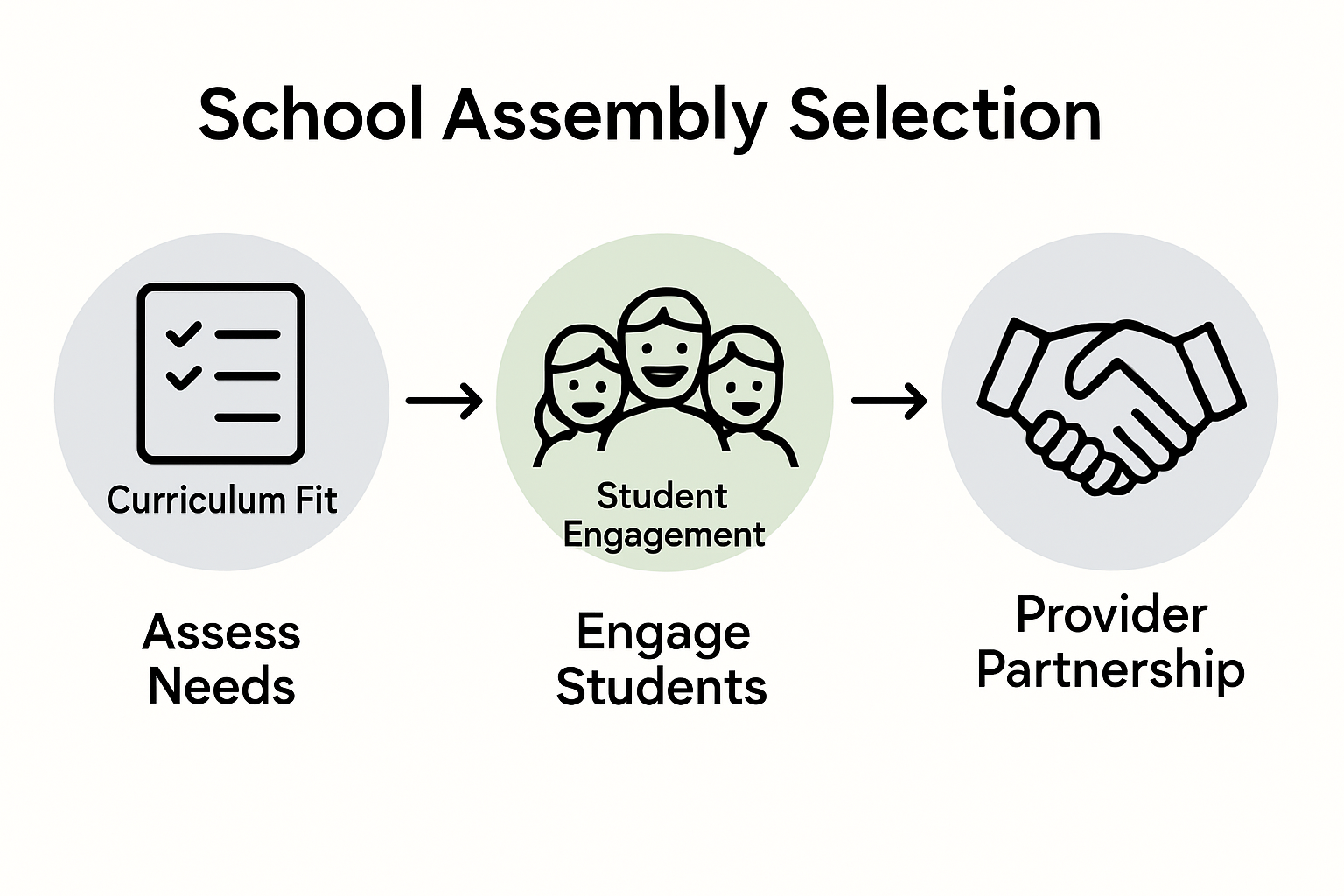
When exploring assembly shows, administrators should consider multiple factors informed by Michigan Department of Education guidance. This includes evaluating program alignment with curriculum goals, age appropriateness, and potential to support diverse learning needs. Programs that incorporate interactive elements, dynamic presentations, and curriculum relevant themes tend to generate maximum student engagement.
One critical tip is to prioritize assembly shows that offer more than entertainment value. Look for programs that provide substantive educational content, promote critical thinking, and support social emotional learning. Shows featuring performers who can connect with students authentically and deliver complex concepts through engaging storytelling will yield the most significant impact.
By carefully curating assembly experiences that resonate with students educational and developmental stages, schools can transform standard programming into transformative learning opportunities that spark curiosity and enthusiasm across suburban Michigan classrooms.
Step 3: Select and Customize Programs for Your Audience
Customizing assembly programs requires a strategic approach that aligns with the unique learning needs of students in Michigan suburbs like Birmingham, Bloomfield Hills, and Rochester. Schools can effectively tailor assembly experiences by carefully analyzing their specific educational objectives and student demographics.
Michigan Department of Education guidelines emphasize the importance of developing programs that address diverse student populations. When selecting and customizing assembly shows, administrators should consider factors such as grade level, curriculum themes, school culture, and specific learning goals. Programs like Mr. Peace, Brain Break, Diversity Circus, and The Wacky Science Show offer flexible options that can be adapted to meet these unique requirements.
One critical tip is to engage directly with assembly providers about customization possibilities. Look for performers who demonstrate flexibility in tailoring content, incorporating specific educational messages, or aligning with ongoing school initiatives. Shows that can dynamically adjust their presentation to address your school’s particular learning objectives will provide the most meaningful student experiences.
By thoughtfully selecting and customizing assembly programs, schools can transform standard presentations into targeted learning opportunities that resonate deeply with students and support broader educational goals.
Step 4: Coordinate Logistics and Confirm Assembly Details
Preparing for a successful school assembly requires meticulous logistical planning that ensures smooth execution and maximum student engagement. Emergency preparedness guidelines recommend establishing clear communication protocols and spatial arrangements for assembly programs like Mr. Peace, Brain Break, Diversity Circus, and The Wacky Science Show.
Michigan Department of Education facilities guidelines emphasize the importance of comprehensive event coordination. School administrators should confirm critical details including performance space requirements, audio visual equipment, seating arrangements, time allocations, and specific technical needs for each assembly program. Coordinate directly with performers to understand their specific setup requirements and ensure the venue can accommodate their presentation style.
One critical tip is to create a comprehensive event checklist that includes emergency contact information, backup technology solutions, and contingency plans for potential disruptions. Verify insurance coverage, performer credentials, and ensure all necessary paperwork is completed well in advance of the assembly date.
By carefully orchestrating logistical details, schools can create a seamless assembly experience that maximizes educational impact while maintaining a safe and organized learning environment.
Step 5: Evaluate Program Impact and Gather Feedback
Comprehensive assessment methods are essential for understanding the effectiveness of school assembly programs across Michigan suburbs. School administrators should design a strategic feedback framework that captures both quantitative and qualitative insights from students, teachers, and staff who experienced programs like Mr. Peace, Brain Break, Diversity Circus, and The Wacky Science Show.
Michigan Department of Education assessment tools provide valuable frameworks for measuring educational program impact. Develop structured survey instruments that evaluate multiple dimensions including student engagement, learning outcomes, presentation quality, and alignment with curriculum objectives. Consider using rating scales, open ended questions, and comparative analysis to capture nuanced feedback from different grade levels and participant groups.
One critical tip is to implement immediate post program feedback mechanisms. Create quick digital surveys, conduct brief student focus groups, and gather teacher observations within 24 to 48 hours after the assembly. This approach captures fresh impressions and emotional responses while details remain vivid in participants memories.
By systematically collecting and analyzing feedback, schools can continuously refine their assembly programming strategies, ensuring each future event delivers increasingly meaningful educational experiences for students across Michigan.
Elevate Your Michigan School Assemblies With Custom Educational Entertainment
Schools across Michigan face the challenge of crafting assembly programs that engage students meaningfully while meeting diverse educational goals. This guide highlights the importance of assessing specific school needs, selecting aligned programs like Mr. Peace or The Wacky Science Show, and customizing performances to support curriculum and student development. Administrators strive to create memorable assemblies that foster academic growth, social-emotional learning, and cultural awareness amid logistical complexities and diverse student populations.
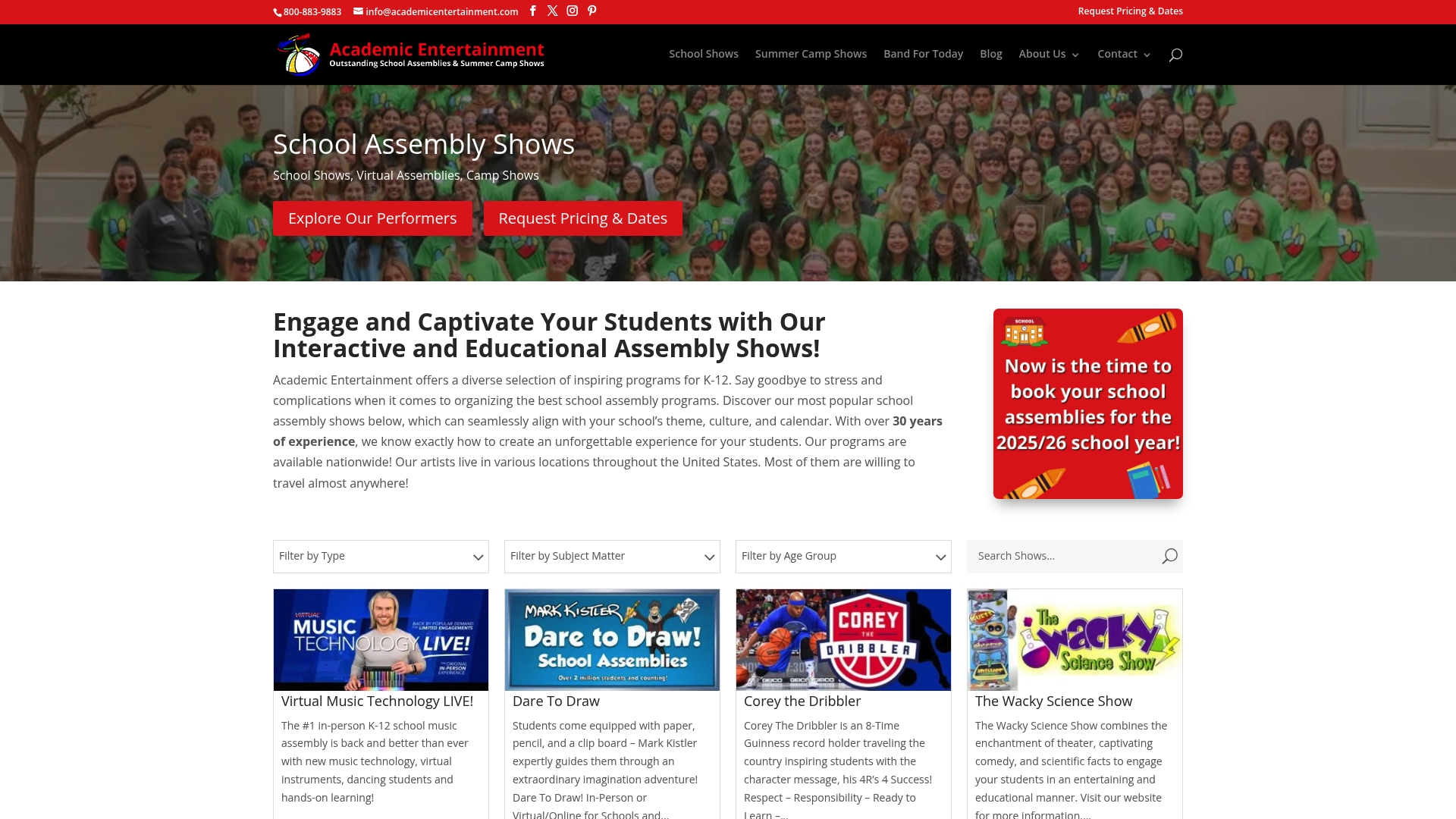
At Academic Entertainment, we understand these critical needs and offer over 40 years of experience delivering tailored school assembly programs nationwide. Our wide variety of live and virtual shows cover impactful topics such as anti-bullying, diversity, and character development, designed to resonate with K-12 students in suburban settings like Farmington Hills or Birmingham. From booking support to customization, we provide a seamless path to enhancing your school culture and educational outcomes.
Unlock the full potential of your school assemblies by exploring our offerings and expert guidance at Academic Entertainment.
Looking for the perfect match for your school theme or specific goals Try our resources for customizing school assemblies and explore engaging educational programs designed to inspire and educate.
Take the next step today and create unforgettable assemblies that truly connect with your students and community.
Frequently Asked Questions
How do I assess school needs for assembly programming?
To assess school needs for assembly programming, involve multiple stakeholders, including teachers, parents, and students. Conduct surveys and analyze academic performance data to identify specific programming requirements tailored to your school’s demographic and educational goals.
What factors should I consider when selecting assembly shows?
When selecting assembly shows, evaluate their alignment with curriculum goals, age appropriateness, and ability to engage diverse learning needs. Look for programs that offer substantive educational content and interactive elements to maximize student engagement.
How can I customize assembly programs for my students?
You can customize assembly programs by discussing specific educational objectives and student demographics with assembly providers. Ensure the programs you choose can adjust content and delivery methods to align with your school’s unique culture and learning goals.
What logistical details should I prepare for school assemblies?
Prepare logistical details by confirming performance space requirements, audio-visual needs, and seating arrangements. Create a comprehensive checklist covering these details and include emergency preparedness plans to ensure a smooth and safe assembly experience.
How do I evaluate the impact of assembly programs?
To evaluate the impact of assembly programs, design a feedback framework that captures insights from students and educators. Implement immediate post-program surveys and focus groups to gather fresh reactions and evaluate how well the assembly met educational objectives.
Recommended
- Planning Guide For School Assembly Shows | Academic Entertainment
- School Assembly Planning Checklist: Streamline your Process Easy – Academic Entertainment
- How to Find the BEST School Assembly Program – Academic Entertainment
- How Long Should An Assembly Take? – Academic Entertainment
- Technology Funding for Schools: Complete Guide – Projector Display