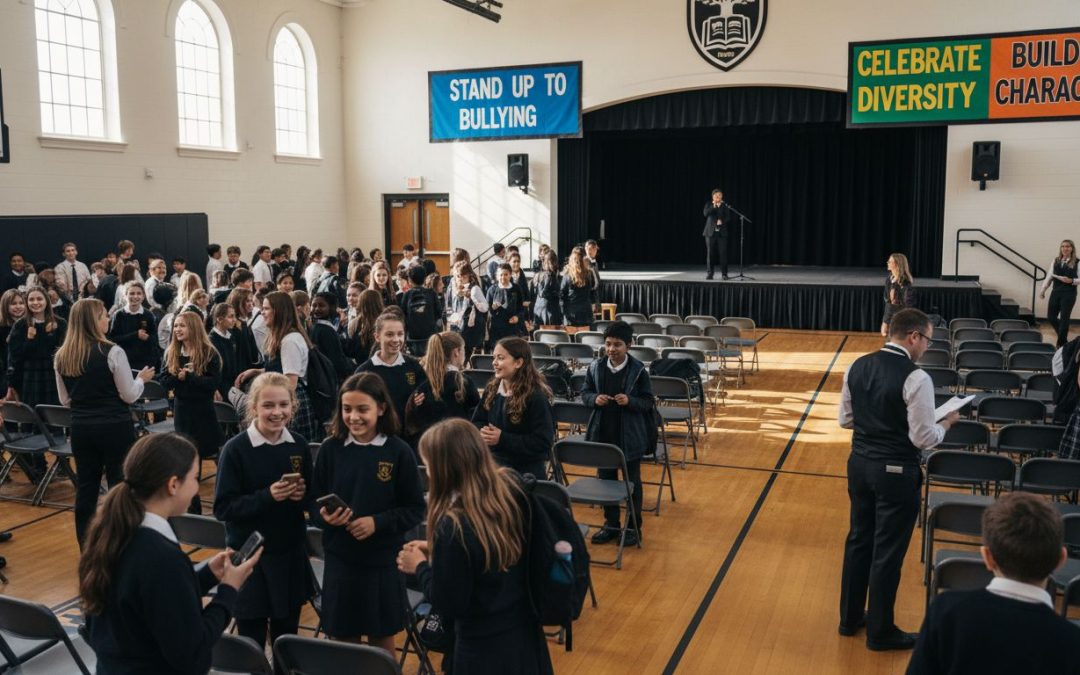
Did you know that schools with well planned assemblies report higher student engagement and positive behavior throughout the year? Organizing a school assembly can do more than fill an hour in the gym. It brings your community together, supports key learning goals, and creates memorable experiences for every student. With the right approach, your event can inspire, educate, and strengthen school pride from the moment the planning begins.
Quick Summary
| Key Point | Explanation |
|---|---|
| 1. Gather stakeholder input early | Collaborate with administrators, teachers, and students to identify themes that resonate with the school community. |
| 2. Prioritize current school needs | Align assembly themes with school objectives and relevant celebrations to enhance engagement and impact. |
| 3. Plan logistics and venues meticulously | Confirm venue suitability and logistical requirements to ensure a seamless assembly experience. |
| 4. Develop a comprehensive promotion strategy | Use various channels to generate excitement among students, parents, and staff about the assembly. |
| 5. Collect and analyze feedback post-event | Obtain insights from participants to evaluate the assembly’s effectiveness and refine future planning. |
Step 1: Assess School Needs and Select Program Theme
Planning a successful school assembly starts with understanding your school community and identifying the right thematic focus. This initial step helps ensure your event will resonate with students and support broader educational objectives.
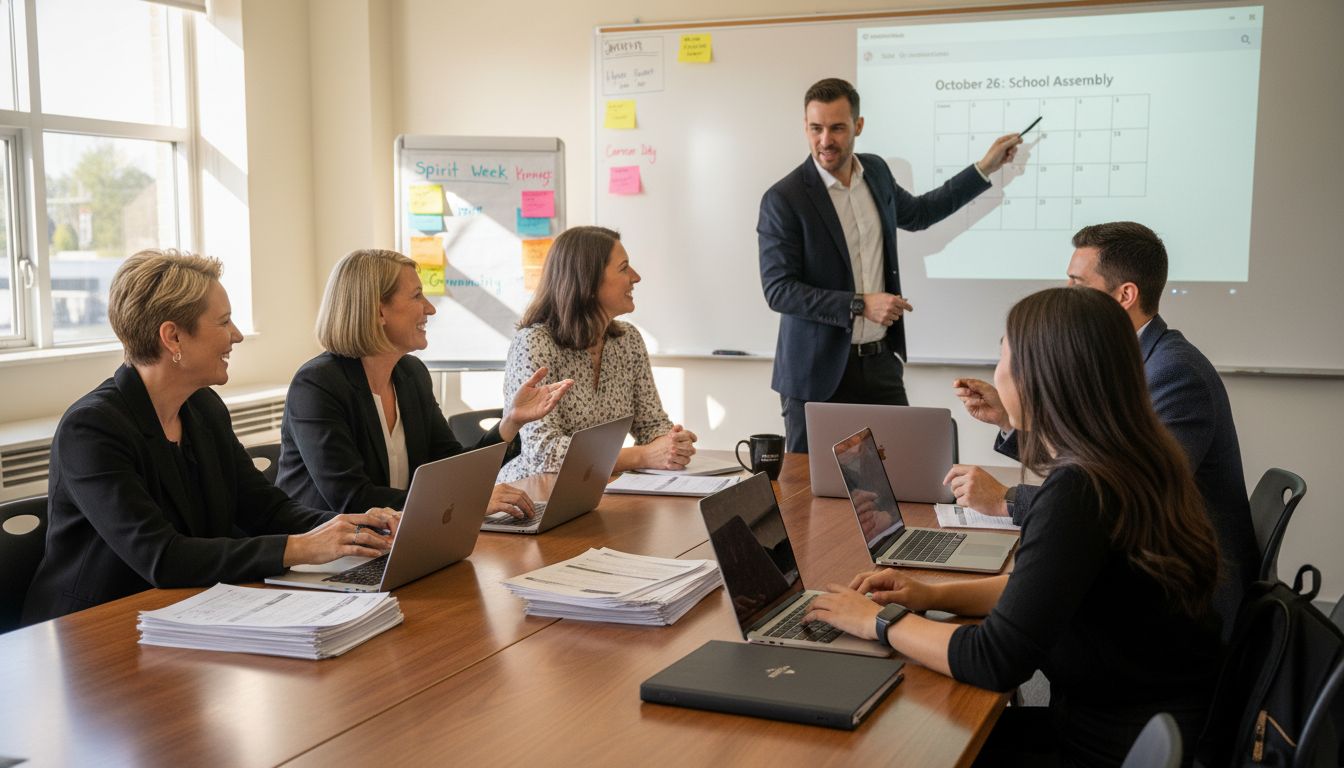
Begin by gathering input from key stakeholders including school administrators, teachers, and student representatives. According to research from schoolassemblies.com, collaborating with a team during the brainstorming phase can lead to creative and engaging themes that truly connect with students.
Consider current school priorities and potential areas of student development. Popular assembly themes include:
Here’s a comparison of popular school assembly themes and their core focus:
| Theme | Core Focus |
|---|---|
| Anti-bullying strategies | Promoting respect & safety |
| Social emotional learning | Building self-awareness & empathy |
| Cultural awareness | Appreciating global perspectives |
| Diversity and inclusion | Valuing differences in community |
| Character development | Fostering positive behavior |
- Anti bullying strategies
- Social emotional learning
- Cultural awareness
- Diversity and inclusion
- Character development
Additionally, aligning your assembly with school wide celebrations like Hispanic Heritage Month or Black History Month can amplify its relevance and impact. As research from reactiondancecompany.com suggests, strategic thematic planning helps create a more meaningful experience.
Pro Tip: Listen carefully to student and staff feedback about current challenges or interests when selecting your assembly theme.
Once you have narrowed down potential themes, explore educational programs that align with your chosen focus and can effectively communicate your core message.
With a clear theme established, you are now prepared to move forward in designing an engaging and purposeful school assembly experience.
Step 2: Coordinate Dates and Secure Performer Booking
With your assembly theme identified, the next critical step is coordinating event logistics and securing the perfect performer. This phase transforms your vision into a concrete plan that will engage and inspire your students.
According to research from reactiondancecompany.com, establishing your budget is the foundational first move. Explore potential funding sources such as:
- PTA funds
- School operating budget
- Educational grants
- Fundraising initiatives
Once funding is confirmed, carefully review the school calendar to select an optimal date. You will want to avoid conflicts with:
- Major academic testing periods
- Other significant school events
- Holidays or scheduled breaks
Research from schoolassemblies.com emphasizes the importance of contacting potential performers early. Find the best school assembly program that aligns with your theme and start communication well in advance.
Pro Tip: Always request performer references and confirm their experience with school audiences before finalizing the booking.
When negotiating with potential performers, be prepared to discuss technical requirements, performance duration, audience age range, and specific theme integration. Clear communication prevents last minute surprises and ensures a smooth event.
With your performer secured and date confirmed, you are now ready to move into detailed event planning and preparation.
Step 3: Arrange Event Logistics and Prepare Venue
With your performer and date confirmed, the next crucial phase is meticulously planning the event logistics and ensuring your venue is perfectly prepared. This stage transforms your assembly from a concept into a tangible, well orchestrated experience.
According to research from heartglobal.org, selecting the right venue is fundamental. Most schools typically use spaces like:
- School gymnasium
- Auditorium
- Large multipurpose room
Ensure the chosen space can comfortably accommodate all participants and meets the specific technical requirements of your performer. According to clubprograms.org, effective planning involves carefully managing transitions and creating a structured event flow.
Key logistical considerations include:
- Seating arrangements
- Sound and audiovisual equipment
- Stage or performance area setup
- Accessibility for all students
Pro Tip: Conduct a site walk through with your performer to identify and address potential technical or spatial challenges in advance.
How to select the best educational programs can help you anticipate specific technical needs and venue requirements. Involve key staff members in the final venue preparation to ensure smooth execution.
With your venue prepared and logistics mapped out, you are now ready to create a comprehensive event timeline and communication plan.
Step 4: Promote the Assembly and Engage Stakeholders
With logistics planned, your next critical step is generating excitement and building meaningful engagement around your upcoming school assembly. This phase transforms your event from a simple scheduled activity into a anticipated community experience.
According to research from schoolassemblies.com, engaging stakeholders collaboratively can dramatically enhance the event’s impact. Begin by creating a comprehensive communication strategy that reaches:
- Students
- Parents
- Teachers
- Administrative staff
- School board members
Research from clubprograms.org emphasizes the importance of creating opportunities for active participation. Engage students effectively in assemblies by developing promotional materials that spark curiosity and highlight the event’s unique value.
Effective promotion channels include:
- School newsletter announcements
- Email communications
- Social media posts
- Classroom presentations
- Printed flyers and posters
Pro Tip: Create a short teaser video or presentation that gives a glimpse of what students can expect during the assembly.
Consider involving student leaders or representatives in the promotion process. Their peer to peer communication can generate more genuine excitement and increase overall engagement.
With stakeholders informed and anticipating the event, you are now ready to finalize last minute details and prepare for a successful assembly.
Step 5: Verify Event Readiness and Confirm Final Details
As your school assembly approaches, meticulous final preparations can make the difference between a good event and an extraordinary experience. This critical stage ensures every detail is polished and every potential challenge is anticipated.
According to research from heartglobal.org, a comprehensive review of organizational details is essential in the weeks leading up to the assembly. School assembly tips for administrators and teachers recommend creating a comprehensive final checklist that covers:
- Technical equipment functionality
- Performance space readiness
- Sound and audiovisual systems
- Seating arrangements
- Performer arrival and setup logistics
Research from clubprograms.org emphasizes the importance of planning an orderly exit strategy. Determine in advance:
- Sequence of student group dismissals
- Clear exit pathways
- Staff supervision points
- Potential traffic flow challenges
Pro Tip: Conduct a final walkthrough with key staff members and the performer to address any last minute concerns and ensure seamless execution.
Schedule a brief pre event meeting with all involved staff to confirm everyone understands their responsibilities and the event timeline. This final coordination will help prevent potential miscommunications and ensure a smooth assembly experience.
With all details confirmed, you are now prepared to welcome your performers and create an memorable educational event.
Step 6: Evaluate Assembly Success and Gather Feedback
The final stage of your school assembly journey involves thoughtful reflection and comprehensive evaluation. This critical process transforms your event from a single experience into a learning opportunity for future planning.
According to research from clubprograms.org, gathering feedback from staff and students provides invaluable insights into the assembly’s effectiveness. How to host a successful school assembly suggests developing a structured feedback approach that captures multiple perspectives.
Consider collecting insights through:
- Student reflection sheets
- Staff survey forms
- Informal group discussions
- Individual written comments
- Performance observation notes
Research from letscultivategreatness.com recommends utilizing specific evaluation tools that help participants assess:
- Learning outcomes
- Engagement levels
- Presentation quality
- Overall event impact
- Potential improvements
Pro Tip: Create anonymous feedback channels to encourage honest and comprehensive responses.
Schedule a post event debrief meeting with key organizers to review collected feedback and identify actionable insights. This collaborative analysis will help refine your approach for future assemblies.
By systematically evaluating your event, you transform each assembly into an opportunity for continuous improvement and educational excellence.
Transform Your School Assembly Planning into an Unforgettable Experience
Planning a school assembly can feel overwhelming with so many details to manage—from selecting the perfect theme to booking the right performer and ensuring smooth event logistics. You want an engaging program that truly connects with students while addressing key challenges like bullying prevention, character building, or cultural awareness. The goal is to create an experience that inspires and educates, but navigating the many choices requires trusted guidance and proven solutions.
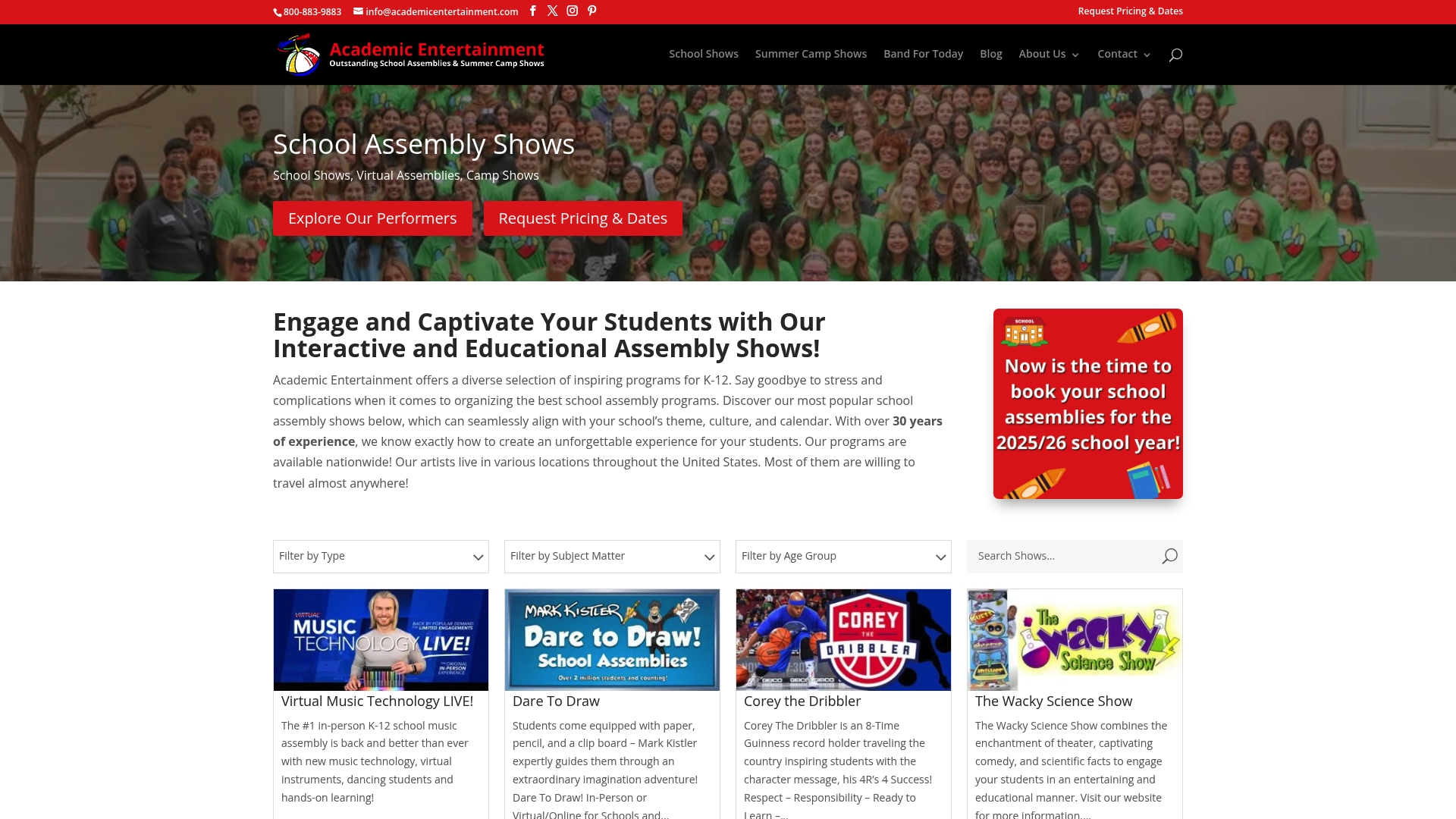
Turn your vision into reality with Academic Entertainment, your trusted partner with over 40 years of experience. Explore a wide selection of tailored school assembly programs designed to match your theme and meet your educational goals. Whether you need live or virtual shows in topics like social emotional learning, diversity, or anti-bullying, we simplify booking and ensure every detail fits your school’s needs. Don’t wait—start planning your impactful assembly today by visiting Academic Entertainment and discover how easy it is to bring meaningful learning to your students.
Frequently Asked Questions
How do I assess school needs for planning an assembly?
Start by gathering input from students, teachers, and school administrators to understand what themes and topics resonate most. Conduct surveys or hold brainstorming sessions to collect diverse perspectives and ensure a thematic focus that supports educational goals.
What are popular themes for school assemblies?
Consider themes like anti-bullying strategies, social emotional learning, cultural awareness, diversity and inclusion, and character development. Choose a theme that aligns with current school priorities and provides relevant messages for your students.
How can I coordinate dates and secure performers for our assembly?
To secure a performer, first establish your budget and review the school calendar to select a date that avoids major events. Contact potential performers early and clearly communicate your assembly theme, audience age, and any technical requirements for a smooth booking process.
What logistical details should I plan for the assembly venue?
Ensure the venue meets your performer’s technical needs and can comfortably fit all attendees. Consider seating arrangements, sound and audiovisual setup, and accessibility options to create an inclusive environment for all students.
How do I effectively promote the assembly to engage stakeholders?
Develop a comprehensive communication strategy that includes students, parents, and staff. Utilize various channels such as newsletters, social media, and classroom presentations to create excitement and encourage participation in the assembly.
What steps should I take to evaluate the success of the assembly?
Gather feedback from students and staff using surveys or reflection sheets right after the assembly to understand its effectiveness. Schedule a debrief meeting to review feedback collectively and identify insights for improving future events.
Recommended
- School Assembly Planning Checklist: Streamline your Process Easy – Academic Entertainment
- Planning Guide For School Assembly Shows | Academic Entertainment
- Best Practices for Assemblies: Engage Your School Community – Academic Entertainment
- What’s The Best Way To Start A School Assembly? – Academic Entertainment