

Did you know that over 90 percent of schools use assemblies to spark student interest and strengthen learning outcomes? Planning these events goes far beyond picking a date and a topic. When chosen and scheduled with care, educational assemblies can inspire curiosity, reinforce classroom lessons, and build a stronger school community. Discover how schools transform a simple event into an unforgettable experience that supports both academic and personal growth.
Quick Summary
| Key Point | Explanation |
|---|---|
| 1. Assess school needs first | Begin by understanding your school’s specific objectives and areas of improvement before selecting assembly programs. |
| 2. Involve key stakeholders | Collaborate with administrators, teachers, and coordinators to gather diverse insights and support for assembly program selections. |
| 3. Evaluate program suitability | Research and critically assess assembly options against safety standards, learning outcomes, and logistical requirements to ensure alignment. |
| 4. Secure administrative approval | Present a well-structured proposal to school leaders, emphasizing the educational benefits and logistical fit of selected programs. |
| 5. Collect and analyze feedback | After the event, gather feedback from students, teachers, and parents to evaluate the assembly’s impact and inform future decisions. |
Step 1: Assess school needs and identify objectives
Scheduling educational assemblies starts with understanding your school’s unique learning landscape and strategic goals. The key is gathering comprehensive insights that will help you select programs matching your specific educational objectives.
Begin by convening a meeting with key stakeholders including school administrators, teachers from different grade levels, and curriculum coordinators. According to the planning guide for school assembly shows, this collaborative approach ensures multiple perspectives are considered when identifying potential program needs.
Next, conduct a structured needs assessment. The U.S. Department of Education recommends collecting data through surveys, interviews, and performance metrics. Focus on understanding student engagement levels, current academic challenges, and character development goals. Pay special attention to areas where supplemental educational programming could provide meaningful support.
Pro Tip: Document your findings systematically. Create a matrix tracking potential program themes, target grade levels, and alignment with existing curriculum goals.
Carefully analyze the collected data to pinpoint specific learning objectives. Are you seeking programs that reinforce STEM concepts? Address social emotional learning? Promote cultural awareness? Your precise goals will guide program selection in subsequent steps.
By methodically assessing your school’s unique needs, you set the foundation for selecting educational assemblies that will truly resonate with your students and enhance their learning experience.
Step 2: Research and select suitable assembly programs
With your school’s specific needs identified, the next crucial step is researching and selecting assembly programs that align perfectly with your educational objectives and student requirements. This process demands careful evaluation and strategic decision making.
Start by leveraging your professional network. Reach out to other school administrators and educators who have recently hosted successful educational assemblies. According to how to select educational programs, recommendations from trusted colleagues can provide valuable insights into program quality and student engagement.
As recommended by SchoolSafety.gov, thoroughly evaluate potential assembly programs against specific safety and educational standards. Look for programs that offer:
- Clear learning outcomes
- Age appropriate content
- Interactive and engaging presentation styles
- Alignment with curriculum goals
- Proven track record of positive student experiences
Pro Tip: Request detailed program descriptions, performer credentials, and sample video materials before making a final selection.
The CDC emphasizes the importance of assessing your school’s infrastructure and resources when selecting programs. Consider practical aspects like assembly space, technical requirements, and potential audience size. Some programs might require specific audiovisual setups or have unique logistical needs.
Narrow your choices by matching program themes with the objectives you identified during your initial needs assessment. Whether you seek STEM enrichment, character education, or cultural awareness programs, ensure each potential assembly directly supports your strategic educational goals.
By methodically researching and critically evaluating assembly options, you will find programs that not only entertain but also provide meaningful educational experiences for your students.
Step 3: Coordinate dates and secure administrative approval
Transitioning from program research to actual scheduling requires strategic communication and careful planning. This critical step involves aligning your selected assembly programs with school calendars and obtaining necessary administrative endorsements.
Begin by preparing a comprehensive proposal that outlines the selected assembly programs. According to the planning guide for school assembly shows, your proposal should include detailed program descriptions, learning objectives, potential dates, and expected educational outcomes.
SchoolSafety.gov recommends engaging school administrators early in the process. Schedule a dedicated meeting with your principal or curriculum coordinator to present your carefully researched assembly recommendations. Come prepared with:
- Specific program details
- Alignment with school educational goals
- Anticipated student learning benefits
- Logistical requirements
- Cost considerations
The CDC emphasizes the importance of involving key stakeholders during event planning. This means not just presenting your recommendations but also soliciting input from school leadership. Be open to their suggestions and potential modifications to your initial proposal.
Pro Tip: Create a flexible scheduling matrix that offers multiple potential dates for each assembly program, demonstrating your thorough preparation and adaptability.
When discussing potential dates, consider school events, testing schedules, and academic milestones. Demonstrate how the proposed assemblies will complement rather than disrupt existing educational workflows. Show how these programs will enhance rather than interrupt standard classroom learning.
Maintain a collaborative approach throughout the approval process. Your goal is to secure administrative support by showcasing the clear educational value of the selected assembly programs. Patient communication and a well documented proposal will significantly increase your chances of successful approval.
Once you receive initial approval, prepare to move forward with formal booking and detailed event logistics.
Step 4: Book the assembly and confirm logistics
With administrative approval secured, your next critical phase involves transforming your assembly plans into concrete arrangements. This step requires meticulous attention to detail and proactive communication with program providers.
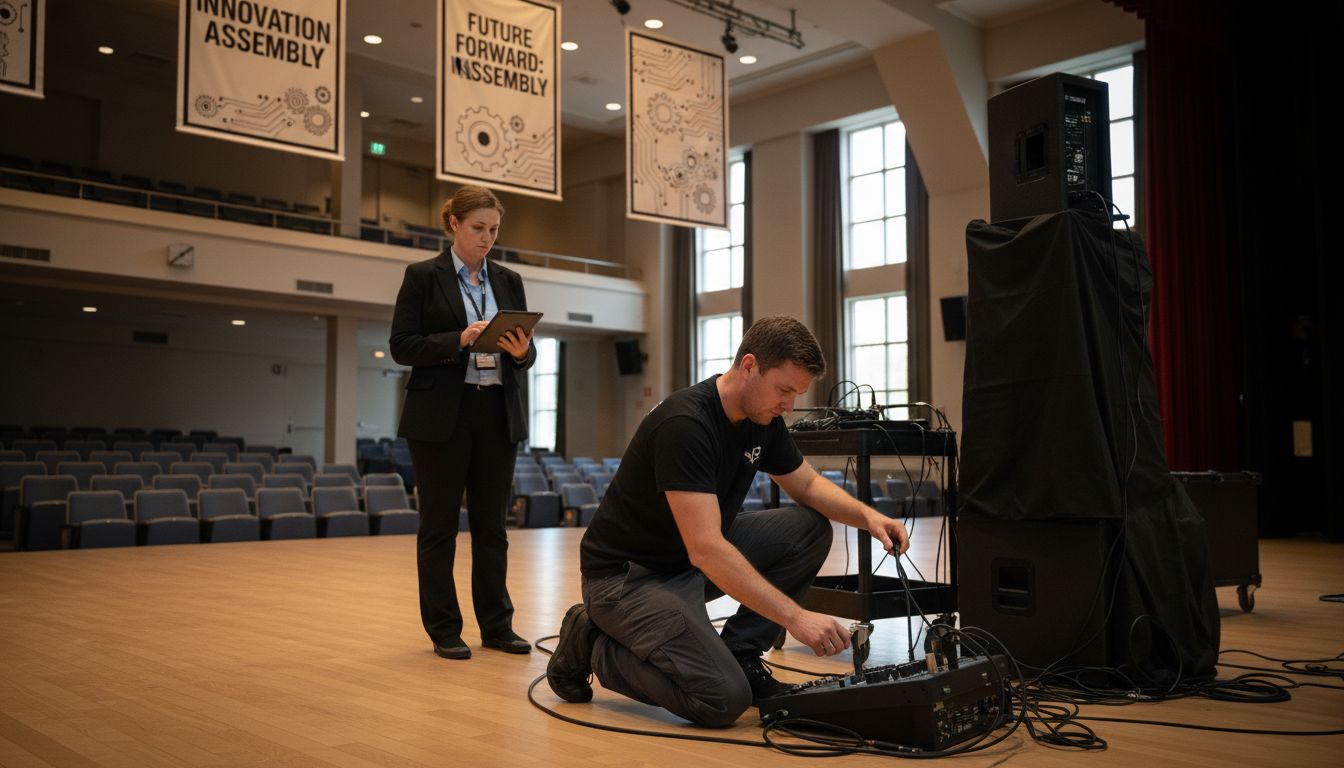
Initiate the booking process by contacting the selected assembly program providers directly. Follow the school assembly checklist to ensure you capture all necessary details during initial communications.
According to SchoolSafety.gov, confirm critical logistical elements that impact event safety and accessibility. Your verification checklist should include:
- Precise event date and time
- Exact venue specifications
- Technical equipment requirements
- Performance space dimensions
- Audience capacity
- Accessibility considerations
The CDC recommends developing a comprehensive implementation plan. This means discussing specific technical needs with the program provider. Verify audiovisual requirements, staging necessities, and any special accommodations well in advance of the scheduled date.
Pro Tip: Request a written confirmation document detailing all agreed upon logistics to prevent potential misunderstandings.
Pay special attention to scheduling constraints. Confirm the assembly duration and ensure it aligns perfectly with your school day structure. Discuss potential backup dates in case of unexpected scheduling conflicts.
Complete the booking by obtaining a formal contract or agreement. Ensure all financial terms, performance details, and logistical expectations are clearly documented. Maintain open communication channels with the program provider for any last minute adjustments or questions.
With logistics confirmed, you are now prepared to move toward final event preparation and communication with staff and students.
Step 5: Promote the event and prepare your community
With logistics finalized, the next crucial step is generating excitement and ensuring widespread awareness about your upcoming educational assembly. Effective communication will maximize student engagement and community support.
Begin by crafting a comprehensive communication strategy that reaches multiple stakeholder groups. According to the planning guide for school assembly shows, your outreach should include targeted messaging for students, teachers, parents, and administrative staff.
The CDC emphasizes the importance of multi channel communication. Develop a promotional plan that includes:
- School newsletter announcements
- Email communications
- Social media updates
- Classroom presentations
- Digital bulletin board displays
- Parent communication platforms
SchoolSafety.gov recommends creating clear and concise messaging that highlights the educational value of the assembly. Explain how the program connects to curriculum goals and supports student learning objectives.
Pro Tip: Design visually engaging promotional materials that capture the unique aspects of the upcoming assembly program.
Encourage teacher involvement by providing them with detailed information about the assembly. Share learning objectives, potential discussion topics, and ways they can integrate the assembly content into classroom activities.
Reach out to parents through multiple channels. Send home informational packets, create brief video previews, and provide context about how the assembly supports student development. Transparency builds community trust and enthusiasm.
As your promotional efforts generate momentum, you will create anticipation and ensure maximum participation in this valuable educational experience.
Step 6: Evaluate assembly impact and gather feedback
The final stage of scheduling an educational assembly involves carefully assessing its effectiveness and collecting meaningful insights that will inform future programming decisions. This critical reflection helps ensure continuous improvement and educational value.
Begin by developing a comprehensive feedback strategy that captures perspectives from multiple stakeholders. Understanding the role of assemblies for elementary students highlights the importance of gathering diverse viewpoints.
The U.S. Department of Education recommends creating structured evaluation mechanisms. Design feedback surveys that capture both quantitative and qualitative data across different groups:
- Student comprehension and engagement levels
- Teacher observations and curriculum alignment
- Administrative perspectives on program effectiveness
- Parent insights and community feedback
Vanderbilt University recommends using multiple assessment tools. Consider implementing:
- Post assembly questionnaires
- Small group discussions
- Written reflection assignments
- Performance based assessment activities
Pro Tip: Create anonymous feedback channels to encourage honest and open responses from students and staff.
Analyze the collected data systematically. Look for patterns in learning outcomes, engagement levels, and potential areas of improvement. Pay special attention to how the assembly connected with your original educational objectives.
Document your findings comprehensively. Prepare a summary report that can be shared with school leadership and potentially with the assembly program providers. This demonstrates your commitment to educational excellence and continuous improvement.
Through thoughtful evaluation, you transform a single assembly into a strategic learning opportunity for your entire school community.
Here’s a summary of the essential steps for scheduling successful educational assemblies:
| Step | Key Actions | Stakeholders Involved |
|---|---|---|
| Assess Needs | Needs assessment Define objectives | Administrators Teachers Curriculum Coordinators |
| Research Programs | Evaluate options Check alignment & logistics | Administrators Teachers |
| Coordinate Approval | Propose programs Secure dates & sign-off | Administrators Leadership |
| Book & Plan Logistics | Confirm details Sign contracts | Program Providers Administrators |
| Promote Event | Communicate & engage community | Teachers Students Parents |
| Evaluate Impact | Gather feedback Review outcomes | Students Staff Parents |
Simplify Scheduling Educational Assemblies With Proven Expertise
Scheduling educational assemblies can feel overwhelming when balancing detailed needs assessments, coordinating approvals, and managing logistics. The article highlights challenges like aligning programs with learning objectives, securing administrative buy-in, and promoting events to ensure meaningful student engagement. These pain points often slow down the process or leave schools with generic programs that miss their unique goals.
At Academic Entertainment, we alleviate these stresses by offering a curated selection of tailored educational assembly programs designed specifically for schools. With over 40 years of experience, we understand the importance of aligning shows with your curriculum and character development goals. Our platform makes it easy to explore diverse options—from STEM and character education to cultural performances—all suited for various grade levels and themes.
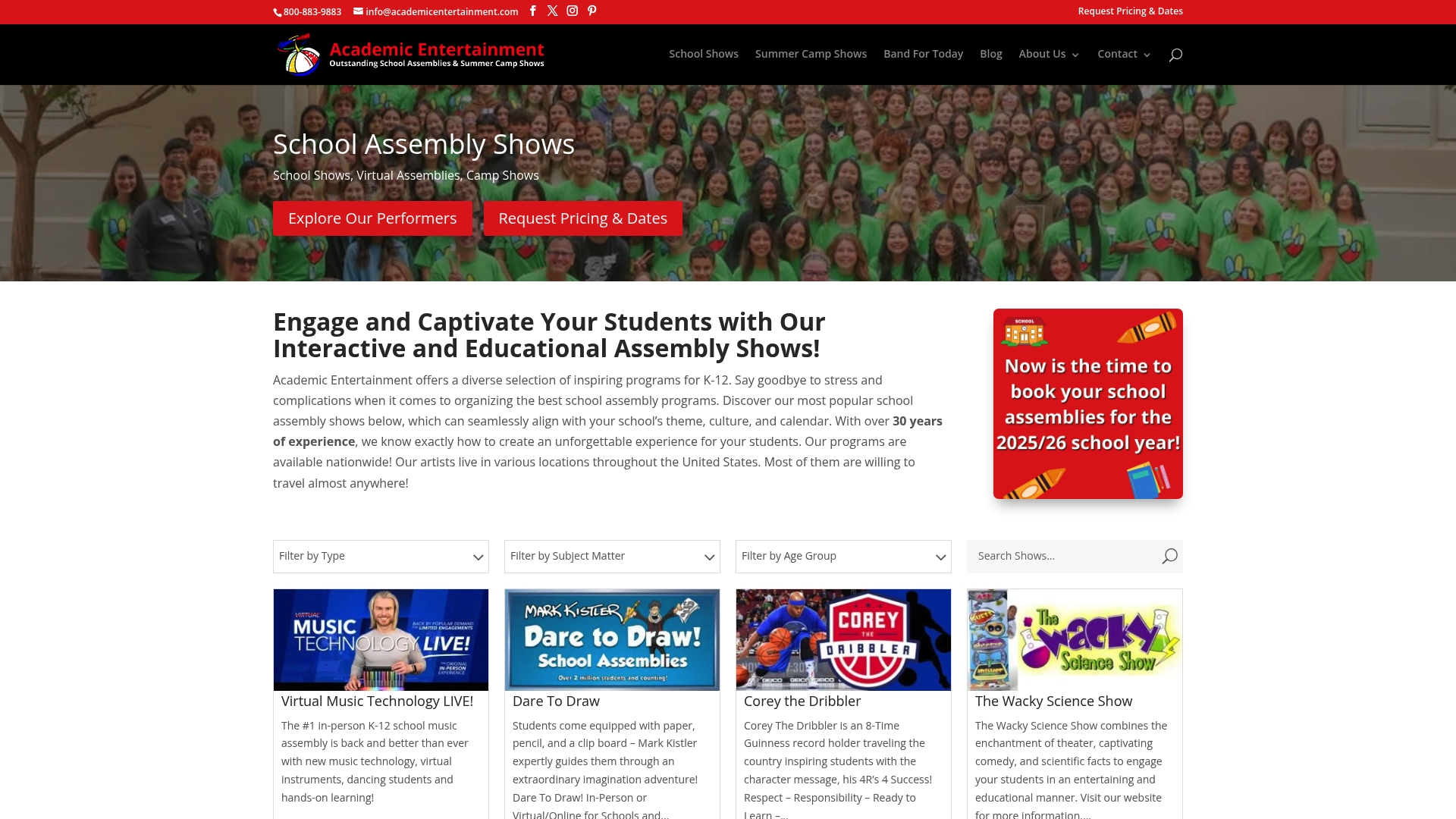
Get started today by visiting Academic Entertainment to discover how our extensive library and simple booking process can help you confidently plan assemblies that truly enhance your school’s learning environment. Don’t wait until scheduling becomes a scramble. Explore our resources and custom solutions now to transform your educational assemblies into impactful experiences that captivate and inspire your students.
Frequently Asked Questions
How do I assess my school’s needs for educational assemblies?
Begin by gathering input from key stakeholders like administrators, teachers, and curriculum coordinators. Conduct a structured needs assessment using surveys and interviews to identify areas where supplemental assemblies can enhance learning experiences.
What criteria should I use to select suitable assembly programs?
Evaluate potential programs based on clear learning outcomes, age-appropriate content, and alignment with curriculum goals. Prioritize programs with proven engagement and ask for detailed descriptions and sample videos before making a decision.
How can I get administrative approval for scheduling assemblies?
Prepare a comprehensive proposal that outlines program descriptions, learning objectives, and expected benefits. Engage administrators early, presenting your research and demonstrating how the assembly will support educational goals to secure their endorsement.
What steps are involved in booking an assembly and confirming logistics?
Contact the selected program providers to confirm critical details such as event date, venue specifications, and technical requirements. Document all agreements in a written confirmation to avoid misunderstandings and ensure smooth execution on the event day.
How should I promote the upcoming educational assembly?
Develop a multi-channel communication strategy that includes announcements in newsletters, emails, and social media. Highlight the educational value of the assembly and engage teachers and parents to build excitement and encourage participation as the event approaches.
What methods can I use to evaluate the impact of an assembly?
Implement feedback surveys for students, staff, and parents to gather insights on engagement and learning outcomes. Analyze the data to identify areas for improvement, and prepare a summary report to share findings with your school community.
Recommended
- Understanding Why Book Educational Assemblies for Schools – Academic Entertainment
- What’s The Purpose Of An All-School Assembly – Academic Entertainment
- School Assembly Program Planning – Academic Entertainment
- Understanding the Role of Assemblies for Elementary Students – Academic Entertainment


