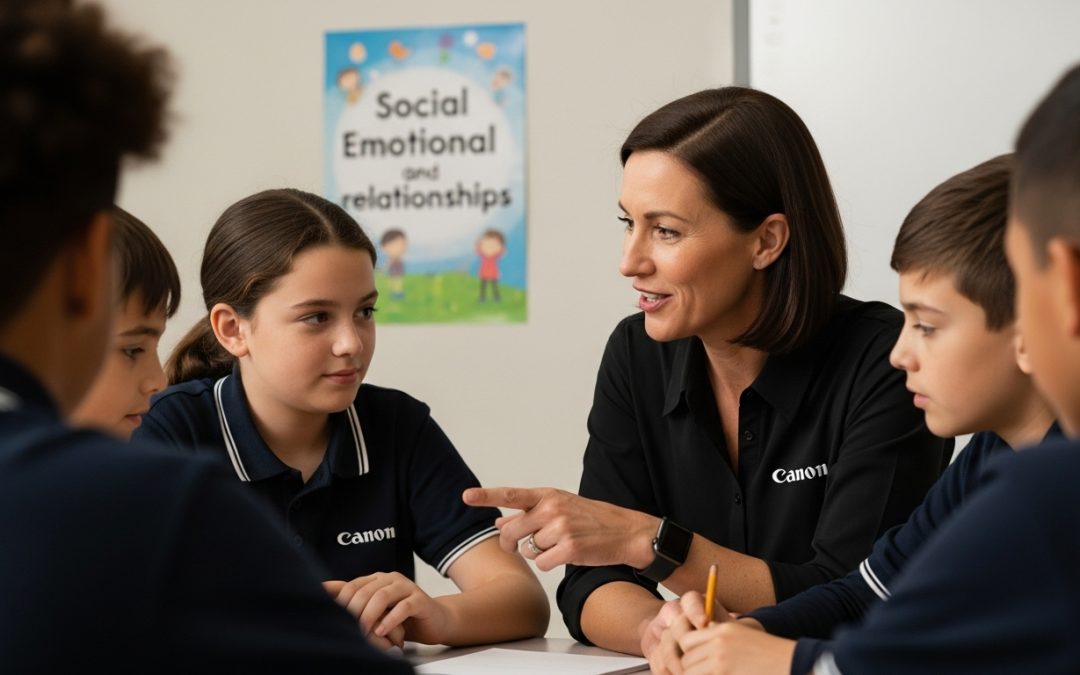
Social Emotional Learning might sound like just another new teaching idea, but it is changing the way students grow in and out of the classroom. Most people are shocked to find out that students in SEL programs see an 11 percentile point jump in achievement scores. What gets overlooked is that the real benefit is not only in better grades. It is in raising resilient kids who handle stress, connect with others, and make smart choices for life.
Table of Contents
- Defining SEL: What Is Social Emotional Learning?
- The Importance Of SEL In Schools: Why It Matters
- How SEL Works: Key Concepts And Frameworks
- Practical Applications Of SEL In Educational Settings
- Real-World Impact: SEL’s Role In Student Success
Quick Summary
| Takeaway | Explanation |
|---|---|
| SEL develops essential life skills | Social Emotional Learning enhances students’ emotional intelligence and interpersonal capabilities vital for personal success. |
| Integrate SEL into school culture | Successful SEL requires embedding emotional learning in curriculum, policies, and community engagement for effective implementation. |
| SEL improves academic performance | Research shows SEL participants see notable increases in achievement, engagement, and classroom behavior compared to those who do not. |
| Focus on holistic student development | SEL prioritizes not just academics but prepares students for complex social interactions and personal challenges. |
| Cultivate emotional intelligence for future success | Early SEL training equips students with critical skills valued in professional environments, enhancing adaptability and resilience. |
Defining SEL: What is Social Emotional Learning?
Social Emotional Learning (SEL) represents a transformative educational approach that goes beyond traditional academic instruction. At its core, SEL focuses on developing critical life skills that help students understand and manage their emotions, build positive relationships, and make responsible decisions.
Understanding the Core Foundations
SEL is fundamentally about nurturing students’ emotional intelligence and interpersonal capabilities. According to CASEL, social emotional learning encompasses five key competencies that provide a comprehensive framework for personal growth:
The table below summarizes the five core SEL competencies, providing clear definitions to help readers understand each essential aspect of Social Emotional Learning.
| SEL Competency | Definition |
|---|---|
| Self-Awareness | Recognizing personal emotions, strengths, and limitations |
| Self-Management | Regulating emotions and behaviors effectively |
| Social Awareness | Understanding and empathizing with others’ perspectives |
| Relationship Skills | Developing healthy and supportive connections |
| Responsible Decision Making | Making ethical and constructive choices |
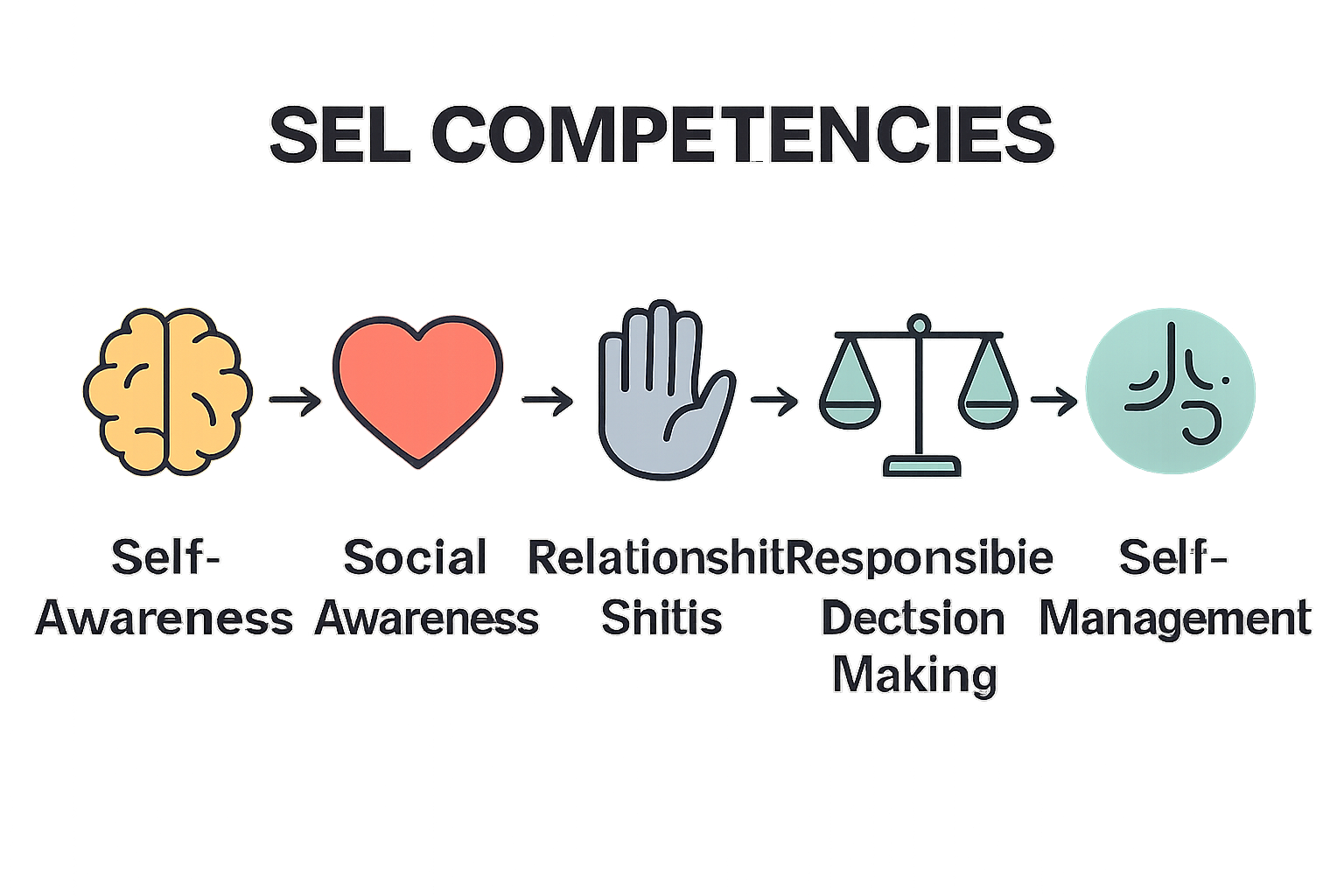
- Self-Awareness: Recognizing personal emotions, strengths, and limitations
- Self-Management: Regulating emotions and behaviors effectively
- Social Awareness: Understanding and empathizing with others’ perspectives
- Relationship Skills: Developing healthy and supportive connections
- Responsible Decision Making: Making ethical and constructive choices
Practical Implementation in Educational Settings
Schools implementing SEL create structured environments that intentionally teach emotional skills alongside academic content. This approach recognizes that emotional intelligence is not inherently learned but must be systematically developed. By integrating SEL into curriculum and school culture, educators help students build resilience, communication skills, and emotional regulation techniques that are crucial for long term personal and professional success.
The goal of SEL is not just academic achievement but holistic student development. It prepares young people to navigate complex social interactions, manage stress, resolve conflicts constructively, and develop a strong sense of self understanding. Through targeted strategies and consistent support, SEL transforms classrooms from purely academic spaces into nurturing environments for comprehensive personal growth.
The Importance of SEL in Schools: Why It Matters
Social Emotional Learning (SEL) has emerged as a critical component in modern educational strategies, transforming how schools approach student development beyond traditional academic metrics. By prioritizing emotional intelligence and interpersonal skills, SEL provides students with essential tools for navigating complex social landscapes and personal challenges.
Academic and Personal Performance Impacts
Research demonstrates that SEL programs significantly influence student outcomes. According to California Department of Education, schools implementing comprehensive SEL strategies see substantial improvements in student engagement, academic performance, and long term success. These programs help students develop crucial skills that extend far beyond classroom learning:
- Improved Academic Achievement: Students with strong emotional regulation perform better academically
- Enhanced Mental Health: Reduced anxiety and better stress management
- Stronger Interpersonal Connections: More effective communication and conflict resolution skills
Long Term Developmental Benefits
The impact of SEL reaches well into students’ future professional and personal lives. By teaching emotional intelligence early, schools prepare students to become adaptable, empathetic, and resilient individuals. Academic Entertainment recognizes that comprehensive educational experiences go beyond traditional learning, much like how SEL transcends standard academic instruction.
Moreover, SEL equips students with critical life skills that employers increasingly value.
This table highlights the documented outcomes and long-term benefits of SEL, organizing key impacts on student performance, well-being, and future success as discussed in the article.
| SEL Benefit | Description |
|---|---|
| Improved Academic Achievement | Students with strong emotional regulation perform better academically |
| Enhanced Mental Health | Reduced anxiety and better stress management |
| Stronger Interpersonal Connections | More effective communication and conflict resolution skills |
| Resilience and Adaptability | Better ability to cope with stress and change |
| Career Readiness | Development of skills valued in professional settings |
How SEL Works: Key Concepts and Frameworks
Social Emotional Learning (SEL) operates through a systematic and intentional approach to developing students’ emotional intelligence and interpersonal skills. Unlike traditional academic instruction, SEL provides a structured framework for understanding and managing complex emotional experiences and social interactions.
Foundational Learning Mechanisms
SEL works by creating intentional learning environments that explicitly teach emotional competencies. According to the National Center on Safe Supportive Learning Environments, these mechanisms focus on helping students develop critical skills through targeted interventions and supportive experiences:
- Direct Skill Instruction: Teaching specific emotional management techniques
- Modeling Appropriate Behaviors: Demonstrating healthy emotional responses
- Experiential Learning: Creating opportunities for students to practice social skills
Comprehensive Implementation Strategies
Successful SEL implementation requires a multifaceted approach that integrates emotional learning across multiple educational contexts. This means embedding SEL principles into curriculum, classroom interactions, school policies, and community engagement. Effective frameworks recognize that emotional intelligence is not a standalone subject but a comprehensive approach to student development.
The most advanced SEL programs create scaffolded learning experiences that progressively build students’ emotional capabilities. They start with foundational self awareness skills and gradually develop more complex competencies like empathy, conflict resolution, and responsible decision making. By treating emotional intelligence as a learnable skill set, schools can systematically support students’ holistic growth, preparing them for both academic success and meaningful personal relationships.
Practical Applications of SEL in Educational Settings
Implementing Social Emotional Learning requires strategic and intentional approaches that integrate emotional skill development throughout the educational experience. Schools are increasingly recognizing that effective SEL goes beyond isolated lessons and must be woven into the fabric of daily learning environments.
Classroom Integration Strategies
Effective SEL implementation begins in the classroom, where teachers can embed emotional learning into existing academic curricula.
According to CASEL, this involves creating structured opportunities for students to develop and practice critical emotional skills:
- Collaborative Learning Activities: Designing group projects that require communication and teamwork
- Reflective Discussions: Encouraging students to share and analyze emotional experiences
- Emotion Tracking Exercises: Teaching students to recognize and articulate their feelings
Whole School Approach
Comprehensive SEL requires a systemic approach that extends beyond individual classrooms. Successful implementation involves creating a school wide culture that prioritizes emotional intelligence and supports student well being. This means developing consistent practices across administrative policies, teacher training, and student support systems.
Schools can create robust SEL environments by training staff in emotional intelligence principles, developing clear emotional support protocols, and creating spaces where students feel safe exploring their feelings. By treating emotional learning as a collective responsibility, educational institutions can transform their approach from purely academic instruction to holistic student development, preparing young people not just for academic challenges but for complex personal and professional interactions.
Real-World Impact: SEL’s Role in Student Success
Social Emotional Learning transcends theoretical concepts, delivering measurable and profound impacts on student development, academic performance, and long term life outcomes. By systematically developing emotional intelligence, schools create transformative experiences that extend far beyond traditional educational metrics.
Academic Performance Outcomes
Research demonstrates the substantial connection between SEL and academic achievement. According to a comprehensive meta-analysis, students participating in structured SEL programs experience significant improvements across multiple domains:
The following table recaps the primary research-backed outcomes of SEL programs, focusing on specific academic and behavioral gains reported for participating students.
| Outcome | SEL Program Impact |
|---|---|
| Academic Performance | 11 percentile point increase in achievement scores |
| Classroom Behavior | Reduced disruptive incidents |
| Learning Engagement | More active participation and motivation |
| Long-Term Life Outcomes | Enhanced resilience, adaptability, and interpersonal skills |
- Enhanced Academic Performance: 11 percentile point increase in achievement scores
- Improved Classroom Behavior: Reduced disruptive incidents
- Stronger Learning Engagement: More active participation and motivation
Long Term Life Trajectory
The benefits of SEL extend well beyond immediate academic contexts. Emotional intelligence developed through SEL becomes a critical life skill that influences professional success, personal relationships, and overall mental health. Students who receive comprehensive SEL training develop resilience, adaptability, and interpersonal skills that position them for success in increasingly complex social and professional environments.
By investing in emotional skill development, schools are essentially providing students with a comprehensive toolkit for navigating life’s challenges. SEL equips young people with the capacity to understand themselves, communicate effectively, manage stress, and build meaningful relationships. These capabilities become foundational strengths that support academic achievement, personal growth, and future professional opportunities.
Bring SEL to Life with Engaging School Assembly Programs
Are you searching for practical and inspiring ways to implement Social Emotional Learning (SEL) in your school? The article highlights how critical SEL is for developing skills such as self-awareness, responsible decision making, and building positive relationships. But many schools face challenges turning these big ideas into real, day-to-day experiences for students. Educators often struggle with finding resources that both engage students and reinforce SEL concepts in a memorable way.
Academic Entertainment is here to bridge that gap. For over 40 years, we have supported K-12 schools with interactive school assembly programs designed to make SEL come alive through music, character education, anti-bullying assemblies, and more. Each live or virtual program provides students with tools for empathy, communication, and emotional well-being in a format they will love. Now is the perfect time to reinforce your SEL curriculum with unforgettable experiences. Discover the full range of our customizable programs at Academic Entertainment and take the next step in empowering your students for long-term success. Start planning your impactful event today.
Frequently Asked Questions
What is Social Emotional Learning (SEL)?
Social Emotional Learning (SEL) is an educational approach that focuses on developing students’ emotional intelligence and interpersonal skills to help them manage their emotions, build positive relationships, and make responsible decisions.
What are the key competencies of SEL?
SEL encompasses five key competencies: self-awareness, self-management, social awareness, relationship skills, and responsible decision-making, which together foster holistic student development.
How does SEL impact academic performance in schools?
Research shows that implementing SEL can lead to improved academic performance, with students experiencing enhanced classroom behavior, increased engagement, and better overall achievement scores.
What strategies can schools use to implement SEL effectively?
Schools can implement SEL by integrating emotional learning into curricula, creating collaborative learning opportunities, encouraging reflective discussions, and fostering a school-wide culture that prioritizes emotional intelligence.
Recommended
- How School Assemblies support Social Emotional Learning (SEL) Initiatives – Academic Entertainment
- Virtual Assemblies ARE the Future of Educational Entertainment – Academic Entertainment
- How Should I Start News In A School Assembly? – Academic Entertainment
- Why the First School Assembly is the Most Important One – Academic Entertainment