Schools everywhere are chasing higher test scores and academic performance. But research shows that students in character education programs see decreased behavioral issues and improved academic outcomes. You might expect dry lessons about rules and morals, but these programs actually shape lifelong skills like empathy, resilience, and real-world leadership in ways most textbooks never touch.
Table of Contents
- Defining Character Education In School Assemblies
- The Importance Of Character Education For Students
- How Character Education Influences School Culture
- Key Concepts In Designing Character Education Assemblies
- Real-World Impact Of Character Education Initiatives
Quick Summary
| Takeaway | Explanation |
|---|---|
| Character education nurtures moral development | This approach prepares students to handle life’s challenges with empathy and integrity. |
| Assemblies effectively communicate ethical values | Engaging presentations create memorable experiences that resonate with students. |
| Character education enhances academic performance | Students with strong moral foundations are more likely to achieve their educational goals. |
| Positive school culture is fostered through character education | Establishing shared values improves behavior and promotes respect among students. |
| Long-term skills benefit personal and professional growth | Critical soft skills developed in character education are vital in today’s job market. |
Defining Character Education in School Assemblies
Character education represents a comprehensive approach to nurturing students’ moral and social development within educational environments. These strategic programs go beyond traditional academic learning by focusing on building essential life skills, ethical understanding, and positive behavioral attributes that prepare students for personal and professional success.
Below is a comparison table outlining the key differences between traditional academic education and character education as described in the article.
| Aspect | Traditional Academic Education | Character Education |
|---|---|---|
| Primary Focus | Intellectual knowledge | Moral and social development |
| Skills Developed | Subject-specific, cognitive | Empathy, resilience, leadership, ethical decision making |
| Teaching Methods | Lectures, textbooks, assessments | Storytelling, modeling, supportive environment, assemblies |
| Measurement of Success | Test scores, academic performance | Behavioral outcomes, social competencies, school climate |
| Long-term Impact | College and career preparation | Lifelong soft skills, personal and professional growth |
What Exactly is Character Education?
Character education is a deliberate educational strategy designed to help students understand and demonstrate core ethical values such as respect, responsibility, integrity, and empathy.
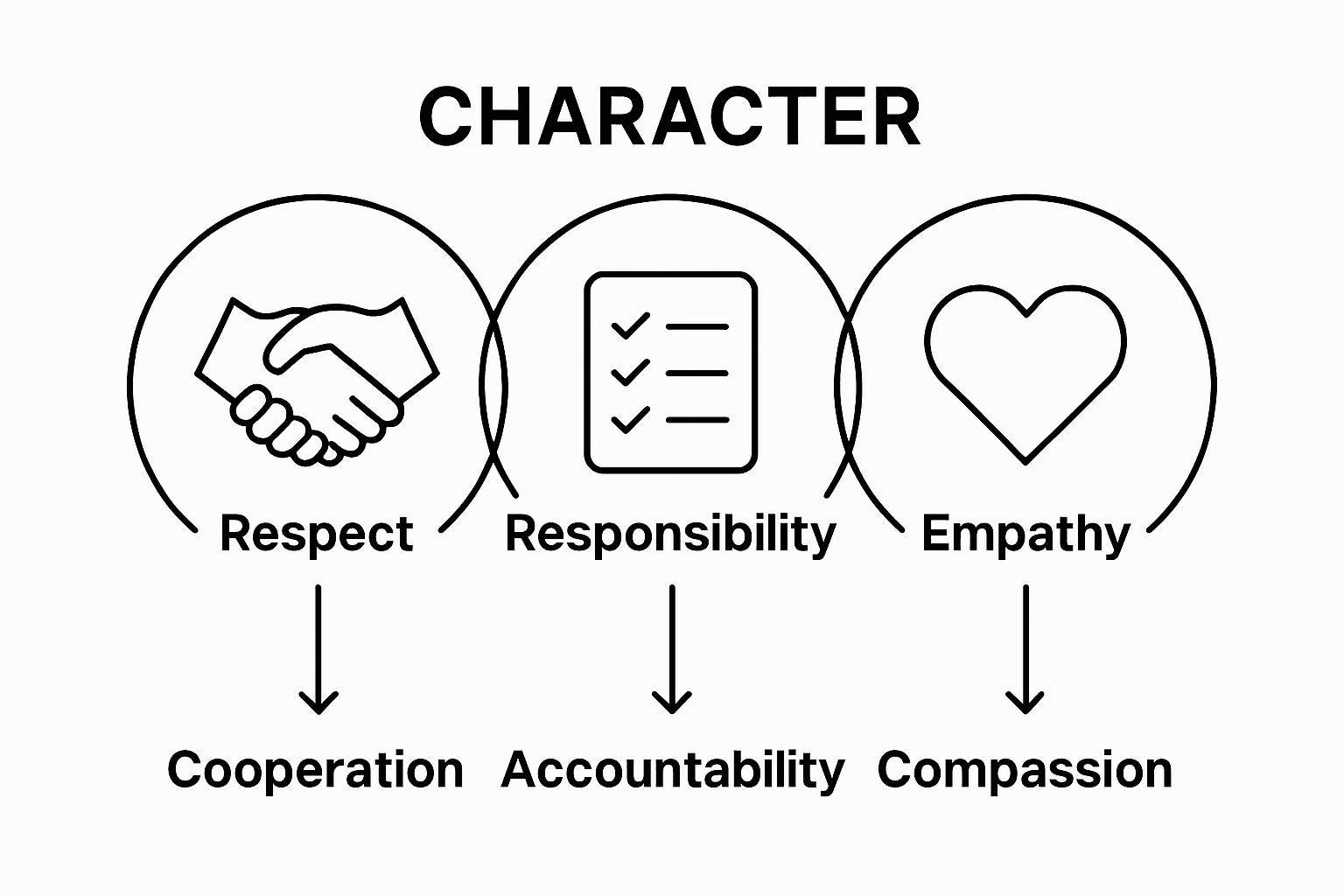 Unlike traditional curriculum that emphasizes intellectual knowledge, character education targets the holistic development of young individuals by integrating social emotional learning into school experiences.
Our comprehensive guide on character development for students provides deeper insights into this transformative educational approach. Schools implement character education through multiple channels, including:
- Structured lessons about ethical behavior
- Modeling positive interactions by educators
- Creating supportive school environments
- Recognizing and reinforcing positive student behaviors
The Purpose of Character Education Assemblies
School assemblies serve as powerful platforms for delivering character education messages. These engaging events allow educators to communicate complex moral lessons through interactive, memorable experiences. By bringing students together in a collective setting, assemblies can:
- Demonstrate positive character traits through storytelling
- Address challenging social issues like bullying and respect
- Provide inspirational narratives that motivate personal growth
- Create shared understanding of community values
According to Character Education Partnership, effective character education programs can significantly improve school climate, reduce disciplinary issues, and enhance students’ social competencies. The goal is not just teaching rules, but inspiring intrinsic motivation for ethical behavior and personal development.
The Importance of Character Education for Students
Character education transcends traditional academic learning by preparing students for life’s complex social and emotional challenges. These programs are critical investments in developing well-rounded individuals who can navigate personal relationships, professional environments, and societal interactions with integrity and empathy.
Long Term Social and Personal Development
Students who participate in comprehensive character education programs develop crucial life skills that extend far beyond classroom boundaries. Emotional intelligence, critical thinking, and ethical decision making become foundational capabilities that shape their future interactions and personal growth. Our exploration of character education pillars highlights how these programs systematically build essential life competencies.
Research from the American Psychological Association demonstrates that students engaged in character education consistently demonstrate:
- Enhanced social problem solving skills
- Improved interpersonal communication
- Greater self awareness and emotional regulation
- Increased capacity for empathy and understanding
Academic and Professional Impact
Character education is not just about moral development but also significantly influences academic performance and future professional success. Students who understand core values like responsibility, respect, and perseverance are more likely to:
- Set and achieve ambitious academic goals
- Develop strong work ethics
- Demonstrate resilience during challenging situations
- Build meaningful collaborative relationships
By integrating character development into educational experiences, schools create environments that nurture not just knowledgeable students, but compassionate, ethical future leaders who can contribute positively to society.
The following table organizes the main impacts of character education, highlighting both social/personal development and academic/professional outcomes as noted in the article.
| Impact Area | Key Outcomes |
|---|---|
| Social and Personal Development | Enhanced emotional intelligence, critical thinking, empathy |
| Academic Performance | Higher achievement, improved engagement, resilience |
| Professional Preparation | Teamwork, communication, ethical decision making |
| School Culture | Shared values, mutual respect, positive behavior |
How Character Education Influences School Culture
Character education serves as a transformative framework that fundamentally reshapes school environments, creating systemic cultural shifts that extend far beyond individual behavioral modifications. By establishing a comprehensive approach to moral and social learning, schools can develop holistic institutional ecosystems that prioritize ethical development and positive interpersonal dynamics.
Establishing Positive Behavioral Norms
Character education programs work to create consistent behavioral expectations that become embedded within school culture. These initiatives establish clear, universally understood standards of conduct that guide student interactions, decision making, and community engagement. Explore our comprehensive character education examples to understand how schools implement these transformative strategies.
According to research from Stanford University’s Character Lab, successful character education programs fundamentally transform school dynamics by:
- Creating shared language around ethical behavior
- Developing consistent accountability mechanisms
- Promoting mutual respect across diverse student populations
- Establishing clear expectations for positive interactions
Institutional Transformation and Community Building
Beyond individual student development, character education acts as a powerful mechanism for institutional cultural change. Schools that successfully integrate these programs witness profound shifts in organizational dynamics, including improved communication, reduced conflict, and enhanced collaborative environments.
The most effective character education approaches go beyond theoretical instruction, embedding ethical principles directly into daily school experiences. This means creating environments where respect, integrity, and empathy are not just taught but actively practiced and celebrated by students, educators, and administrative staff alike.
By systematically reinforcing positive values and providing consistent opportunities for ethical reflection and growth, character education transforms schools from mere academic institutions into nurturing communities dedicated to holistic student development.
Key Concepts in Designing Character Education Assemblies
Designing effective character education assemblies requires a strategic approach that combines engaging presentation techniques with profound educational objectives. These carefully crafted experiences must transcend traditional lecture formats, creating transformative moments that resonate with students on emotional and intellectual levels.
Core Design Principles
Intentional storytelling becomes the cornerstone of successful character education assemblies. These events must move beyond abstract moral lessons, instead presenting compelling narratives that demonstrate ethical principles through relatable human experiences. Explore engaging high school assembly activities to understand innovative presentation strategies that capture student attention.
According to National Association of School Psychologists, effective character education assemblies should incorporate:
- Interactive engagement techniques
- Age appropriate content delivery
- Clear and measurable learning objectives
- Opportunities for personal reflection
Creating Meaningful Learning Experiences
Character education assemblies must strategically balance entertainment with substantive educational content. The most impactful programs use multimedia presentations, live performances, and interactive discussions that transform complex ethical concepts into accessible, memorable experiences.
Successful assemblies recognize that students learn best when they are actively involved in the learning process. This means designing experiences that encourage critical thinking, promote dialogue, and challenge students to consider different perspectives on moral and social issues.
Ultimately, the goal is not just to communicate information, but to inspire personal growth and ethical development. By creating assemblies that are simultaneously engaging, thoughtful, and transformative, schools can develop powerful platforms for character education that extend far beyond a single event.
Real-World Impact of Character Education Initiatives
Character education initiatives represent more than theoretical educational frameworks. These strategic programs deliver tangible, measurable outcomes that transform student experiences, school environments, and long-term societal interactions. By systematically developing ethical competencies, these initiatives create ripple effects that extend well beyond classroom boundaries.
Measuring Behavioral and Academic Transformation
Comprehensive character education programs produce quantifiable improvements in student performance and social dynamics. Schools implementing these initiatives consistently observe significant shifts in student behavior, academic engagement, and interpersonal skills. Explore our comprehensive analysis of character education examples to understand the depth of these transformations.
Research from the American Educational Research Association reveals that robust character education programs generate:
- Decreased incidents of behavioral misconduct
- Improved academic achievement rates
- Enhanced student motivation and classroom participation
- Stronger peer support networks
Long Term Social and Professional Development
Character education initiatives prepare students for complex real world challenges by developing critical soft skills that employers and higher education institutions deeply value. Emotional intelligence, ethical decision making, and interpersonal communication become foundational competencies that distinguish graduates in competitive environments.
The most successful programs do not merely teach abstract moral concepts but provide practical frameworks for navigating complex social scenarios. By integrating character development into educational experiences, schools cultivate future leaders who understand the nuanced relationship between personal values and professional success.
Ultimately, character education transcends traditional academic learning. These initiatives represent strategic investments in human potential, creating individuals equipped to navigate increasingly complex personal and professional landscapes with integrity, empathy, and resilience.
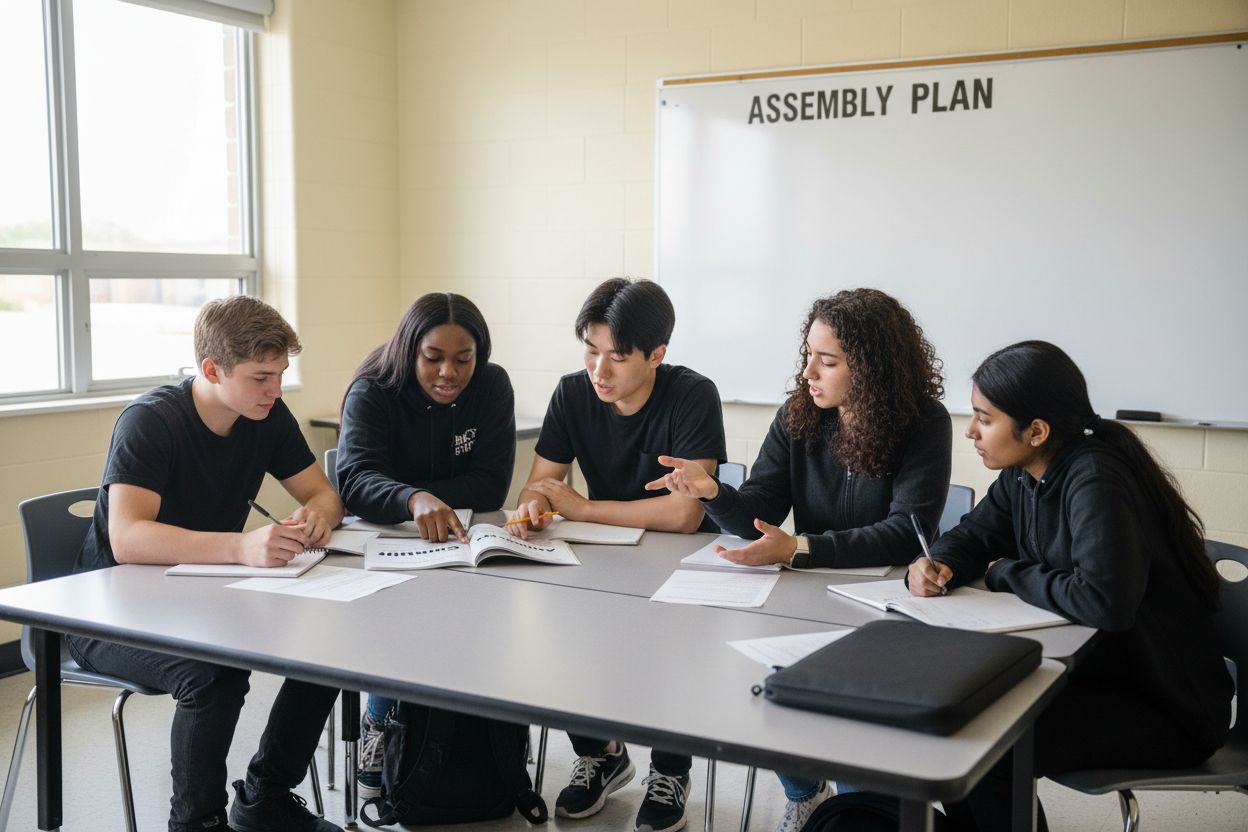
Transform Your School Assemblies into Lasting Character-Building Experiences
Struggling to make your character education assemblies truly memorable and impactful? As the article highlighted, many educators find it difficult to move beyond abstract moral lessons and deliver live, engaging events that foster real growth in students. Schools feel the urgent need for assemblies that boost emotional intelligence, build shared values, and leave positive marks on student behavior. The challenge is designing programs that are interactive, age-appropriate, and tailored to your community’s unique needs.
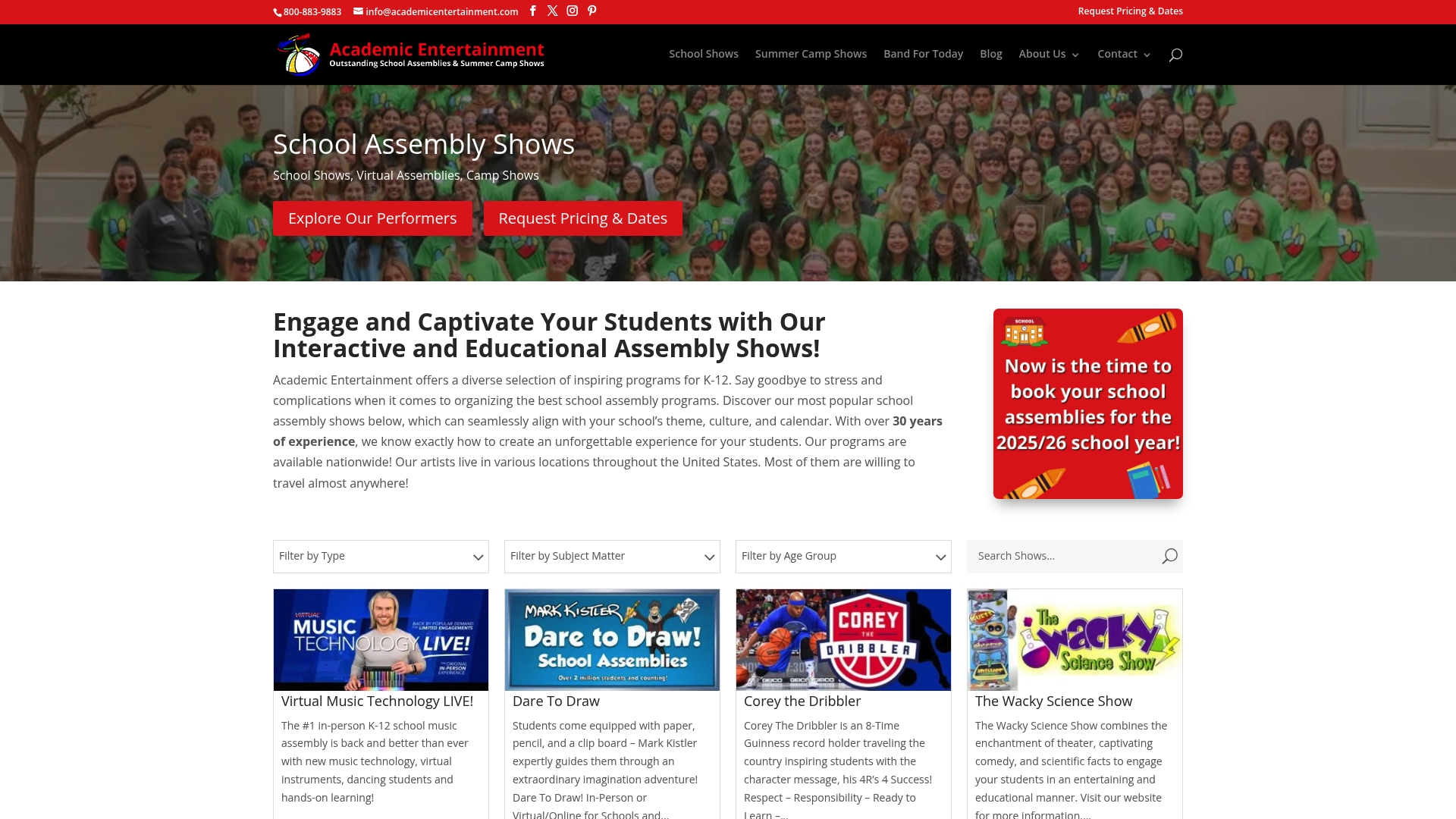
Academic Entertainment has over 40 years of proven experience helping K-12 schools achieve these very goals. Our platform lets you explore and book a wide range of character education assemblies designed to align with your curriculum, special events, or desired outcomes. Each program is created to motivate, educate, and connect with students through stories, live performances, and proven best practices—just as described in our guide on designing effective assemblies. Ready to transform your next assembly into an inspirational event that supports personal and academic growth? Visit Academic Entertainment today and customize an assembly that fits your school’s vision. Spots fill quickly—reserve your date now and see the difference character education can make!
Frequently Asked Questions
What is character education?
Character education is an educational strategy designed to teach students core ethical values such as respect, responsibility, integrity, and empathy, focusing on their moral and social development within school environments.
Why are assemblies important for character education?
Assemblies serve as powerful platforms for delivering character education messages, allowing educators to communicate complex moral lessons through engaging stories, address social issues, and inspire personal growth in students.
How does character education impact academic performance?
Character education significantly influences academic performance by helping students develop strong work ethics, goal-setting abilities, and resilience, thereby improving their overall engagement and success in school.
What are effective strategies for designing character education assemblies?
Effective strategies include intentional storytelling, incorporating interactive engagement techniques, delivering age-appropriate content, and creating opportunities for personal reflection and critical thinking among students.
Recommended
- 8 Effective Character Education Examples for Schools – Academic Entertainment
- What is Character Development for Students: Understanding the Basics – Academic Entertainment
- 7 Key Character Education Pillars for Schools – Academic Entertainment
- Character Building, Education, and PBIS School Assemblies – Academic Entertainment