

Over 90 percent of American students say they learn best through hands-on activities rather than lectures. For schools in Philadelphia and its nearby counties, this means that traditional lessons often need a boost to truly capture students’ interest in science. Interactive science assemblies and STEM shows transform classrooms into stages where learning jumps off the page, making even the most complex scientific ideas both fun and unforgettable.
Key Takeaways
| Point | Details |
|---|---|
| Engaging Educational Programs | Science assemblies and STEM shows offer interactive experiences that stimulate curiosity and enhance learning of scientific concepts. |
| Diverse Assembly Options | Schools can choose from various types of assemblies, including Physics, Chemistry, Biology, and Astronomy, tailored to different age groups. |
| Transformative Learning | Live STEM shows change traditional learning by making science exciting and accessible, encouraging critical thinking and real-world applications. |
| Booking Considerations | When scheduling assemblies, schools must align presentations with curriculum standards, consider group sizes, and book 4-6 weeks in advance for availability. |
What Are Science Assemblies and STEM Shows?
Science assemblies represent engaging educational programs designed to spark curiosity and learning about scientific concepts through interactive, live presentations. These dynamic shows transform traditional classroom learning by bringing complex scientific principles to life through demonstrations, experiments, and storytelling. Schools across Philadelphia and its surrounding suburbs like Montgomery County, Bucks County, and Delaware County regularly utilize these programs to inspire students and make science accessible and exciting.
STEM shows specifically focus on integrating Science, Technology, Engineering, and Mathematics into immersive learning experiences. These interactive programs often feature professional presenters who use captivating demonstrations to illustrate scientific principles. For instance, students might witness chemical reactions, explore robotics technology, or learn about astronomical concepts through hands-on experiments that transform abstract theories into tangible understanding.
The goal of science assemblies extends beyond entertainment. By creating memorable, interactive experiences, these programs aim to:
- Stimulate critical thinking skills
- Encourage scientific inquiry
- Demonstrate real-world applications of scientific concepts
- Inspire potential future careers in STEM fields
Events like the USA Science & Engineering Festival showcase how powerful these educational experiences can be in cultivating public interest in scientific disciplines. By presenting science as an exciting, accessible subject, these assemblies help break down barriers and misconceptions that might discourage students from exploring scientific pathways.
Types of Interactive Science Assemblies Available
Interactive science assemblies offer a diverse range of engaging educational experiences designed to make scientific learning dynamic and memorable for students across Philadelphia schools. These interactive stage assemblies transform traditional learning by incorporating high-energy demonstrations that captivate student attention and illuminate complex scientific principles through hands-on experiences.
Schools can typically choose from several specialized types of science assemblies, each targeting different age groups and scientific interests:
- Physics and Engineering Shows: Demonstrations involving robotics, simple machines, and mechanical principles
- Chemistry Performances: Explosive and colorful chemical reactions that showcase molecular interactions
- Biological Science Exhibitions: Interactive presentations exploring human anatomy, ecosystems, and living systems
- Astronomy and Space Science Programs: Engaging displays featuring celestial mechanics and planetary exploration
Programs like ExplorationWorks science assemblies often accommodate large groups, with sessions designed to handle up to 250 students and provide comprehensive, age-appropriate scientific content. These assemblies typically run approximately 45 minutes, allowing educators to maximize learning while maintaining student engagement through dynamic, interactive presentations that transform abstract scientific concepts into tangible, exciting experiences.
The most effective science assemblies blend entertainment with educational rigor, ensuring that students not only enjoy the performance but also develop genuine curiosity about scientific disciplines. By presenting complex ideas through accessible, memorable demonstrations, these programs inspire young learners to explore and potentially pursue future careers in science, technology, engineering, and mathematics.
How Live STEM Shows Transform K-12 Learning
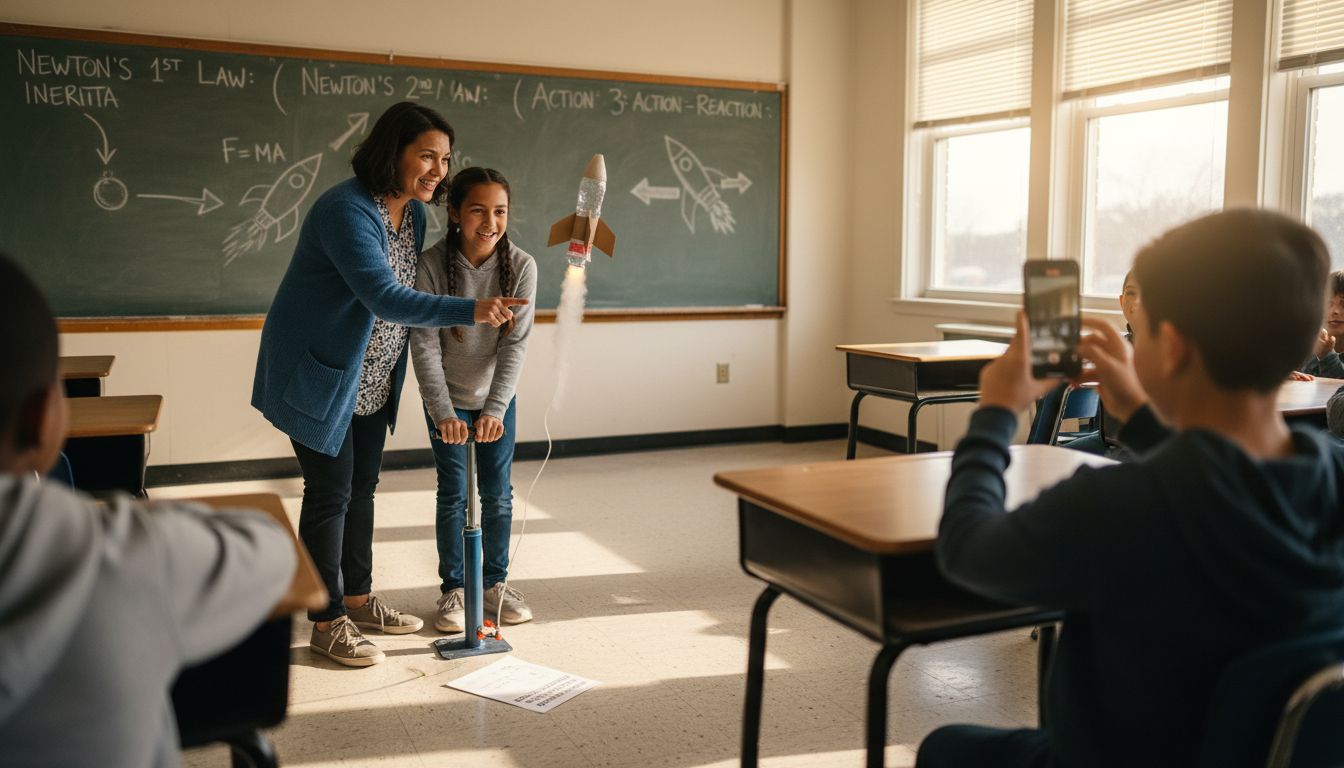
Live STEM shows represent a revolutionary approach to educational engagement, transforming traditional learning experiences by turning complex scientific concepts into dynamic, interactive performances. These transformative educational experiences provide students with immersive learning opportunities that go far beyond traditional classroom instruction, sparking curiosity and inspiring critical thinking across multiple scientific disciplines.
The transformative power of live STEM shows lies in their ability to break down complex scientific principles into accessible, exciting demonstrations. By utilizing interactive techniques, these shows help students:
- Visualize abstract scientific concepts
- Understand real-world applications of scientific theories
- Develop hands-on problem-solving skills
- Overcome academic intimidation surrounding scientific subjects
Moreover, these performances create memorable learning experiences that challenge students’ preconceived notions about science. Instead of viewing scientific education as a dry, theoretical subject, students begin to see science as an exciting, dynamic field filled with endless possibilities for exploration and discovery. The energetic presenters and interactive demonstrations transform passive learning into an active, engaging process that encourages students to ask questions, make predictions, and develop a genuine passion for scientific inquiry.
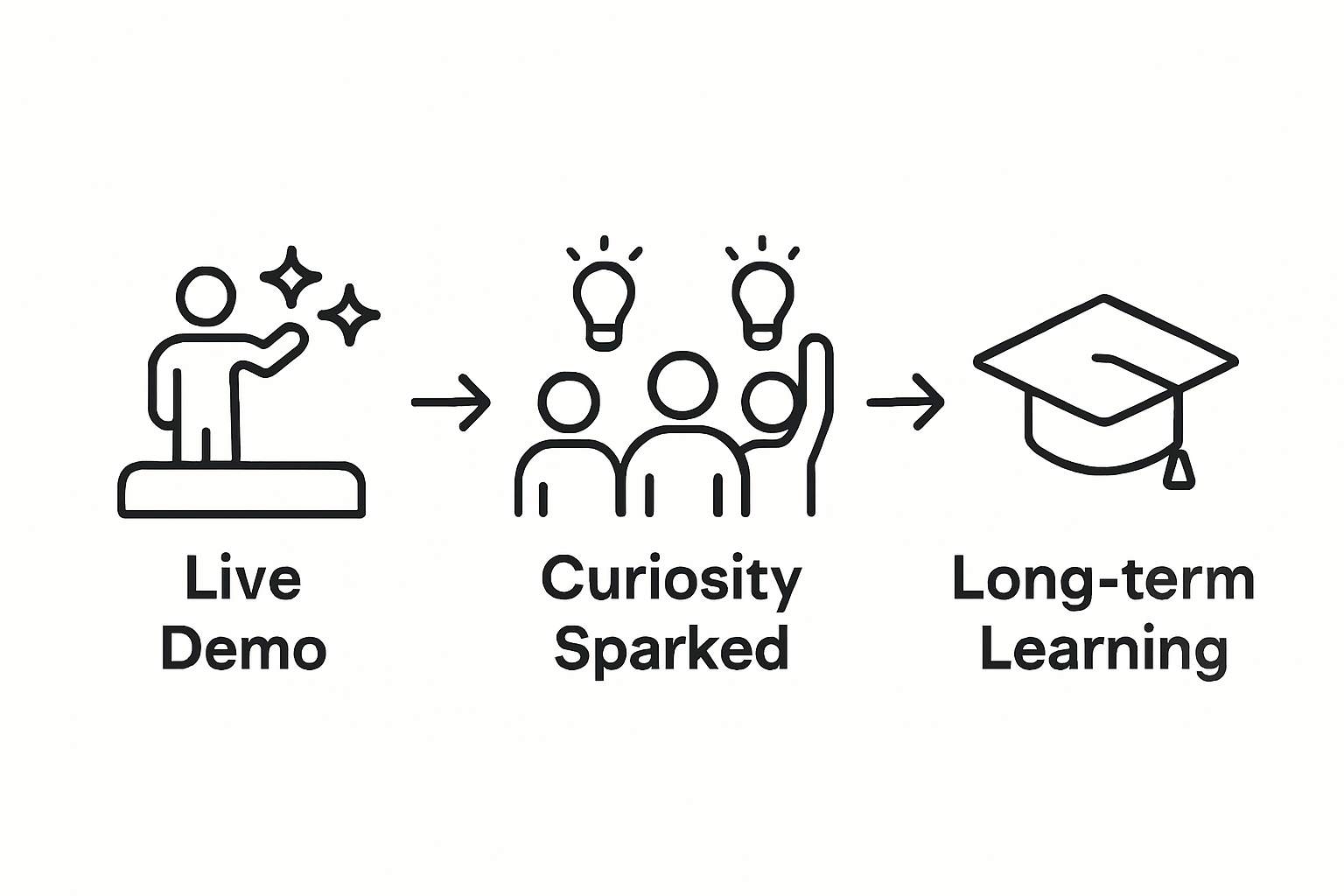
The ultimate goal of live STEM shows extends beyond simple entertainment. These programs serve as critical intervention points in students’ educational journeys, potentially inspiring future scientists, engineers, researchers, and innovators by demonstrating the incredible potential of scientific understanding. By making science approachable, exciting, and tangible, these shows help break down barriers that might otherwise discourage students from pursuing careers in STEM fields, ultimately contributing to a more scientifically literate and innovative society.
Booking STEM Assemblies in Philadelphia Suburbs
Booking STEM assemblies for schools in Philadelphia’s suburban regions requires careful planning and understanding of the unique educational needs of different districts. Engaging STEM assembly examples provide educators with multiple options for bringing dynamic scientific experiences to students across Montgomery, Bucks, Delaware, and Chester Counties.
When planning a STEM assembly, schools should consider several key factors:
- Age appropriateness of the presentation
- Alignment with current curriculum standards
- Group size and venue requirements
- Budget constraints
- Specific scientific topics of interest
Philadelphia suburban school districts typically have diverse needs, ranging from elementary schools in Lower Merion to high schools in West Chester. Science assemblies for elementary schools often require different approaches compared to more advanced presentations for middle and high school students. Administrators should work closely with assembly providers to customize experiences that match their specific educational goals and student demographics.
The booking process for STEM assemblies in suburban Philadelphia usually involves direct communication with educational entertainment providers, careful scheduling, and advance preparation. Most providers recommend booking at least 4-6 weeks in advance to ensure availability, particularly during peak academic seasons. Schools should also discuss technical requirements, space considerations, and potential follow-up educational materials that can extend the learning experience beyond the live performance.
Maximizing Engagement and Lasting Impact
Strategies for student engagement reveal that transformative learning experiences require more than passive observation. Science assemblies must go beyond entertainment, creating deep, memorable connections that inspire students to explore scientific concepts long after the performance concludes.
Key strategies for maximizing student engagement include:
- Creating interactive moments that invite student participation
- Connecting scientific demonstrations to real-world applications
- Encouraging student curiosity through provocative questions
- Using storytelling techniques that humanize scientific concepts
- Providing follow-up resources that extend learning beyond the assembly
Cognitive Connection becomes critical in these educational experiences. Presenters must bridge the gap between demonstration and understanding, helping students see how scientific principles directly relate to their daily lives. This approach transforms scientific learning from an abstract concept to a tangible, exciting exploration of the world around them.
Successful science assemblies create what educators call a knowledge spark – a moment of genuine curiosity that motivates students to ask questions, conduct independent research, and develop a lasting passion for scientific discovery. By designing experiences that are simultaneously educational, entertaining, and personally relevant, schools can turn a 45-minute assembly into a potential lifelong interest in scientific exploration.
Ignite Student Curiosity with Science Assemblies Designed for Philadelphia Schools
The article highlights the powerful role of live STEM shows and interactive science assemblies in Philadelphia and its suburbs to transform traditional learning into memorable experiences that spark curiosity and critical thinking. Schools face the challenge of engaging diverse student groups with age-appropriate, curriculum-aligned programs that inspire lasting enthusiasm for STEM subjects. Academic Entertainment offers a trusted solution with over 40 years of experience in creating dynamic, educational performances tailored to K-12 students. Their science assemblies bring complex concepts to life through interactive demonstrations, helping educators overcome common obstacles like student disengagement and abstract scientific content.
Bring these inspiring science assemblies straight to your school and create a knowledge spark that lasts. Whether you want to enhance your next school event or support current curriculum goals, Academic Entertainment makes booking straightforward and customizable. Discover a wide variety of live and virtual science shows specifically crafted to promote inquiry and hands-on learning. Explore all available options on the main site or get started with interactive STEM assemblies.
Ready to transform your students’ understanding and excitement about science? Visit Academic Entertainment today to find the perfect science assembly for your Philadelphia school. Book now to secure dates and empower your students with experiences that go beyond textbooks and spark a lifelong passion for STEM.
Frequently Asked Questions
What are science assemblies?
Science assemblies are engaging educational programs designed to spark curiosity and learning about scientific concepts through interactive live presentations. They bring complex scientific principles to life via demonstrations, experiments, and storytelling.
How do STEM shows benefit students?
STEM shows provide immersive learning experiences that help students visualize abstract concepts, understand real-world applications, and develop hands-on problem-solving skills. They also make science more approachable and exciting, inspiring curiosity and critical thinking.
What types of science assemblies are available for schools?
Schools can choose from various types of science assemblies, including physics and engineering shows, chemistry performances, biological science exhibitions, and astronomy programs. Each type targets different age groups and scientific interests.
How can schools maximize engagement during science assemblies?
To maximize engagement, schools can create interactive moments, connect demonstrations to real-world applications, encourage curiosity through provocative questions, and provide follow-up resources that extend learning beyond the assembly.
Recommended
- Science Assemblies For Elementary Schools
- The Diversity of Science Assemblies for Elementary Schools – Academic Entertainment
- 7 Engaging STEM Assembly Examples for Educators – Academic Entertainment
- STEM Assemblies Explained: Formats, Impact, Booking – Academic Entertainment


