Schools often bring in educational performers hoping for memorable learning moments and student engagement. Yet, less than half of school assemblies result in measurable improvements in student understanding according to recent studies. That might sound discouraging, but the secret is not who you hire, it is how you choose them. Following the right selection process can turn any performance into a powerful catalyst for learning.
Table of Contents
- Step 1: Define Your Educational Objectives
- Step 2: Research Potential Performers
- Step 3: Evaluate Performer Qualifications And Reviews
- Step 4: Interview Selected Performers
- Step 5: Finalize And Book Your Chosen Performers
Quick Summary
| Key Point | Explanation |
|---|---|
| 1. Define Clear Learning Objectives | Establish specific, measurable, age-appropriate educational goals to guide performer selection and ensure meaningful engagement. |
| 2. Research Performers Thoroughly | Utilize professional directories and educate performance platforms to find candidates who align with curriculum requirements and learning outcomes. |
| 3. Evaluate Performer Qualifications | Assess performers’ credentials and reputation by reviewing their experience, testimonials, and educational philosophies to ensure effective delivery. |
| 4. Conduct Purposeful Interviews | Prepare structured questions to assess a performer’s expertise and adaptability, focusing on their past experiences and engagement strategies. |
| 5. Finalize Details and Book Performers | Draft clear contracts and logistical plans to confirm performance expectations, ensuring a smooth educational experience for students. |
Step 1: Define Your Educational Objectives
Choosing the right educational performer begins with crystal clear learning objectives. Your goals will serve as the foundational compass guiding every subsequent decision in the selection process. These objectives transform a standard event into a meaningful educational experience that resonates with students and supports curriculum standards.
Understanding Educational Objectives
Educational objectives are precise statements describing specific knowledge, skills, or attitudes students will gain from a performance. According to Arizona State University’s Curriculum Development Guidelines, effective objectives must be observable, measurable, and directly aligned with curriculum requirements.
When defining your objectives, consider multiple dimensions of learning. Are you seeking to inspire curiosity, reinforce academic concepts, or develop social emotional skills? Each performance should target specific learning outcomes. For instance, a science assembly might aim to demonstrate complex scientific principles through engaging demonstrations, while a cultural performance could focus on expanding students’ understanding of diversity and global perspectives.
Crafting Precise Learning Goals
Start by reviewing your current curriculum and identifying potential knowledge gaps or areas requiring reinforcement. Engage with teachers and administrators to understand their specific instructional needs. Ask targeted questions: What academic concepts need additional support? What social skills are students developing?
Your objectives should follow a clear structure:
- Specific: Clearly define the intended learning outcome
- Measurable: Include ways to assess student understanding
- Age Appropriate: Match complexity to student developmental stages
- Curriculum Aligned: Connect directly to existing educational standards
For example, instead of a vague goal like “students will learn about science,” craft a precise objective such as “Students will understand basic principles of energy transformation through interactive demonstration and age appropriate scientific explanation.”
Remember that well defined objectives transform educational performances from mere entertainment to powerful learning experiences. By investing time in thoughtful goal setting, you create a strategic framework that ensures each performer contributes meaningfully to your students’ educational journey.
The table below summarizes the main steps for selecting an educational performer, along with their purpose and key tasks.
| Step | Purpose | Key Tasks |
|---|---|---|
| 1. Define Educational Objectives | Establish clear learning goals to guide the process | Review curriculum, identify gaps, engage educators, set precise objectives |
| 2. Research Potential Performers | Find candidates who align with objectives | Search directories, review profiles, assess specialties |
| 3. Evaluate Qualifications & Reviews | Assess credibility and effectiveness | Check credentials, review testimonials, contact references |
| 4. Interview Selected Performers | Assess fit and communication | Ask about experience, clarify approach, observe interaction |
| 5. Finalize and Book Performer | Secure logistics and ensure expectations | Draft contract, confirm details, coordinate logistics |
Step 2: Research Potential Performers
After establishing clear educational objectives, your next critical step is thoroughly researching potential performers who can transform those goals into captivating learning experiences. This research phase requires strategic investigation to ensure you select performers who perfectly align with your institution’s educational vision.
Exploring Performance Platforms and Directories
Begin your research by leveraging specialized educational performance platforms and professional directories. According to National Association for Education Research, comprehensive directories provide detailed performer profiles, including educational backgrounds, performance specialties, and audience age recommendations.
Utilize multiple research channels to expand your performer pool. Professional educational entertainment websites, school assembly directories, and recommendations from colleague networks offer valuable insights. Look for performers with documented experience in your specific subject area and demonstrated ability to engage students effectively.
Evaluating Performer Credentials and Performance Quality
Careful performer evaluation goes far beyond surface level impressions. Scrutinize performer credentials by examining their professional backgrounds, educational training, and relevant certifications. Watch performance videos, review testimonials, and request detailed program descriptions that explicitly outline learning outcomes.
Key research criteria should include:
- Professional performance experience in educational settings
- Demonstrated expertise in your target subject matter
- Positive references from similar educational institutions
- Clear alignment with curriculum standards
- Age appropriate content and presentation style
Pay special attention to performers who provide comprehensive program descriptions. The most effective educational performers will articulate specific learning goals, interactive components, and measurable educational value. They should demonstrate an understanding of classroom dynamics and age specific engagement strategies.
During your research, create a structured evaluation spreadsheet to track potential performers. Document their specialties, performance rates, availability, and how closely they match your established educational objectives. This systematic approach transforms research from a daunting task into a strategic selection process.
Remember that thorough research is an investment in your students’ educational experience. By dedicating time to comprehensive performer investigation, you dramatically increase the likelihood of securing a performance that will inspire, educate, and leave a lasting impression on your students.
Step 3: Evaluate Performer Qualifications and Reviews
With a list of potential performers in hand, the next crucial step is meticulously evaluating their qualifications and professional reputation. This comprehensive assessment goes beyond surface level impressions, diving deep into the performer’s educational expertise, professional background, and real world performance track record.
Analyzing Professional Credentials
Credential evaluation requires a systematic approach. According to Government Accountability Office Guidelines, educational service providers should demonstrate clear professional qualifications that directly relate to their performance content. Look for performers with verifiable educational backgrounds, relevant certifications, and demonstrated expertise in their specific subject area.
Review each performer’s professional portfolio carefully. Substantive credentials include academic degrees, specialized training, professional memberships, and documented experience working with educational institutions. Pay special attention to performers who can articulate their educational philosophy and demonstrate a nuanced understanding of student engagement strategies.
Investigating Performance Reputation
Beyond formal credentials, a performer’s reputation provides critical insights into their real world effectiveness. Gather comprehensive feedback by requesting detailed references from previous educational clients. Reach out directly to schools that have previously hired the performer, asking specific questions about student engagement, content accuracy, and overall educational impact.
Key evaluation criteria should include:
- Quality and depth of educational content
- Ability to maintain student attention
- Alignment with curriculum standards
- Professional conduct and reliability
- Adaptability to different age groups
Online reviews, professional testimonials, and video recordings offer additional perspectives on a performer’s capabilities. Look for consistent positive feedback that highlights the performer’s unique strengths and educational value. Be wary of performers with limited documentation or inconsistent reviews.
Create a standardized evaluation matrix to objectively compare potential performers. Rate each candidate across multiple dimensions such as subject expertise, presentation skills, audience engagement, and educational effectiveness. This structured approach transforms subjective impressions into data driven decision making.
Remember that thorough qualification evaluation is an investment in your students’ learning experience. By dedicating time to comprehensive performer assessment, you significantly increase the likelihood of selecting an educational performer who will inspire, educate, and create memorable learning moments for your students.
Step 4: Interview Selected Performers
Interviewing potential educational performers transforms your selection process from passive research to active discovery. This critical step allows you to directly assess a performer’s expertise, communication skills, and alignment with your educational objectives through purposeful, strategic conversation.
Preparing for Meaningful Conversations
According to Head Start’s Interview Guidelines, successful interviews require meticulous preparation. Develop a comprehensive interview strategy that goes beyond standard questions, focusing on uncovering the performer’s educational philosophy, adaptability, and genuine commitment to student learning.
Before scheduling interviews, compile a structured interview protocol that includes specific questions designed to reveal the performer’s depth of knowledge, teaching approach, and ability to engage students. Your questions should probe beyond surface level descriptions, challenging performers to demonstrate their understanding of educational principles and their capacity to transform complex concepts into accessible, compelling presentations.
Conducting Comprehensive Performance Interviews
During interviews, create an environment that encourages performers to showcase their authentic professional capabilities. Request detailed descriptions of past performances, asking performers to share specific examples of how they have successfully addressed educational objectives in previous school settings. Pay close attention to their ability to articulate learning outcomes, describe interactive engagement strategies, and demonstrate subject matter expertise.
Key interview evaluation areas include:
- Depth of subject matter knowledge
- Communication and presentation skills
- Understanding of age appropriate learning approaches
- Ability to customize content for specific educational goals
- Flexibility and responsiveness to student interactions
Consider conducting interviews through multiple formats. Video conferences allow you to observe performers in real time, while recorded performance demonstrations provide additional insights into their teaching style. Request sample performance segments that illustrate their approach to delivering educational content.
Develop a standardized scoring rubric to objectively evaluate each performer. Rate their responses across multiple dimensions, including subject expertise, communication clarity, educational philosophy, and potential student engagement. This systematic approach transforms subjective impressions into data driven decision making.
Remember that interviews are a two way conversation. Encourage performers to ask questions about your specific educational environment, student demographics, and learning objectives. Their curiosity and thoughtful inquiries can reveal significant insights into their professional approach and commitment to meaningful educational experiences.
Step 5: Finalize and Book Your Chosen Performers
The culmination of your careful research and evaluation arrives with the final booking process. This critical step transforms your selected performer from a potential candidate into a confirmed educational experience for your students. Precision and clear communication become paramount as you navigate the contractual and logistical details of securing your chosen educational performer.
Negotiating Performance Details
According to Federal Student Aid’s Event Planning Guidelines, successful event booking requires comprehensive planning and clear communication. Begin by drafting a detailed performance agreement that explicitly outlines every aspect of the engagement. Specify precise expectations including performance duration, content requirements, audience age range, technical needs, and specific educational objectives the performer will address.
Carefully review the performer’s standard contract, paying close attention to cancellation policies, performance fees, travel requirements, and any additional expenses. Some performers might offer Adventures in Reading supplemental materials or pre performance preparation resources that can enhance the overall educational experience.
Finalizing Logistical Arrangements
Beyond the performance contract, develop a comprehensive logistical plan that ensures smooth event execution. Coordinate technical requirements such as stage setup, audio visual equipment, and any specific space configurations the performer needs. Communicate these details well in advance, providing the performer with a detailed venue layout and technical specifications.
Critical booking confirmation steps include:
- Signed performance contract
- Confirmed performance date and time
- Detailed venue logistics
- Technical equipment requirements
- Payment schedule and method
- Contingency plans for potential cancellations
Maintain open communication channels with the performer leading up to the event. Schedule a final confirmation call one to two weeks before the performance to review all details, address any last minute questions, and ensure mutual understanding of expectations.
Document all communication and agreements in writing. Create a comprehensive event folder that includes the signed contract, performer contact information, performance details, and your specific educational objectives. This organized approach provides a clear reference point and demonstrates professional preparation.
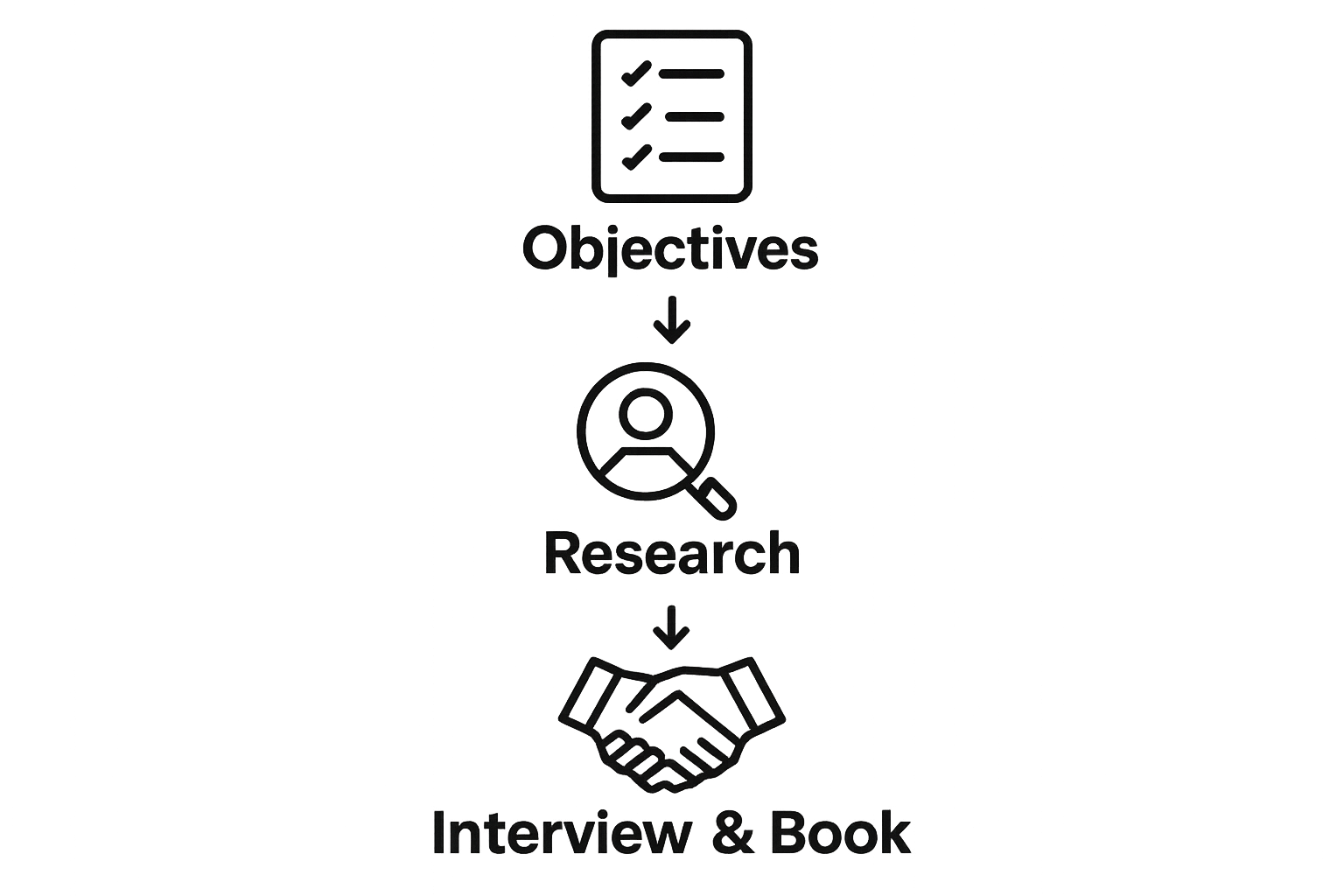
Remember that successful performer booking is more than a transactional process it is the foundation of an impactful educational experience. Your meticulous attention to detail will translate into a memorable learning opportunity that engages and inspires your students.
Use the checklist below to confirm you have covered all critical aspects before booking an educational performer for your school event.
| Item | Description |
|---|---|
| Educational Objectives Defined | Confirm you have set specific, measurable, age-appropriate objectives aligned to curriculum |
| Performer Credentials Verified | Check academic/training background, teaching experience, and required certifications |
| References and Reviews Collected | Gather feedback from previous clients, especially other schools |
| Interview Conducted | Complete a structured interview, evaluate engagement strategies and communication |
| Contract Signed | Finalize terms: date, time, content, payment, and cancellation policies |
| Venue Logistics Confirmed | Secure technical needs, space arrangements, and event schedule |
| Pre-Event Communication | Provide performer with objectives, venue details, and confirm mutual expectations |

Take the Stress Out of Choosing the Right School Performer
Struggling to define clear educational objectives and match the right performer to your school’s unique needs? You are not alone. Many K-12 educators find that choosing educational performers who truly engage students while meeting curriculum standards is a challenge. Navigating credentials, aligning with learning goals, and ensuring content is age appropriate can feel overwhelming—especially when you want your event to inspire and educate.
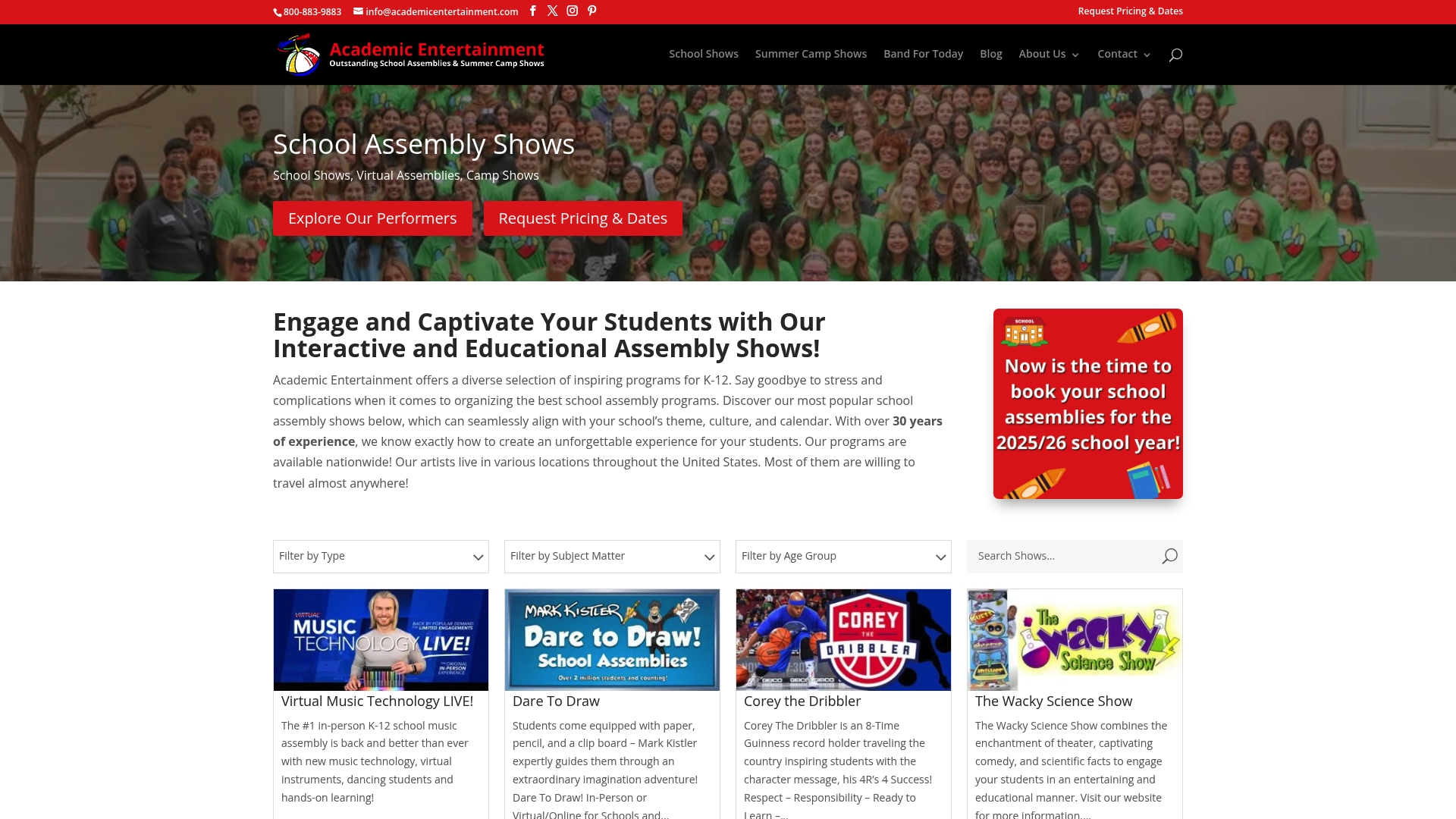
Imagine the confidence that comes with having every step taken care of. At Academic Entertainment, you can browse a wide variety of shows that are carefully classified by subject, age group, and learning goals. Easily compare detailed show information, explore options for topics like character education, diversity, or science, and enjoy proven programs that fit your unique objectives. Our team draws on over 40 years of experience to tailor assemblies for your students. Ready to skip the guesswork and create an event your school will remember? Visit Academic Entertainment now to customize your next educational performance and start the simple booking process. Take the first step toward an engaging and impactful school event today.
Frequently Asked Questions
What are educational objectives and why are they important for selecting performers?
Educational objectives are clear statements defining the specific knowledge, skills, or attitudes students will gain from a performance. They are crucial because they guide the selection process, ensuring that the performance aligns with curriculum standards and enhances the learning experience.
How can I effectively research potential educational performers?
You can research potential performers by utilizing educational performance platforms, professional directories, and recommendations from colleagues. Look for detailed performer profiles, educational backgrounds, and performance specialties to find a match for your objectives.
What should I consider when evaluating a performer’s qualifications?
When evaluating a performer’s qualifications, consider their professional experience in educational settings, expertise in the subject matter, and positive references from other educational institutions. Also, look for alignment with curriculum standards and age-appropriate content.
How do I prepare for interviewing educational performers?
Prepare for interviews by developing a structured interview protocol with specific questions about the performer’s educational philosophy, adaptability, and previous experiences. This will help you gauge their depth of knowledge and their ability to engage students effectively.
Recommended
- Youth Motivational Speakers
- Unforgettable School Assemblies
- Assembly Programs Benefits
- Virtual Arts in Education Showcase
- Classroom Projector Setup Guide
- Local Event Marketing Strategies for Colorado Businesses 2025