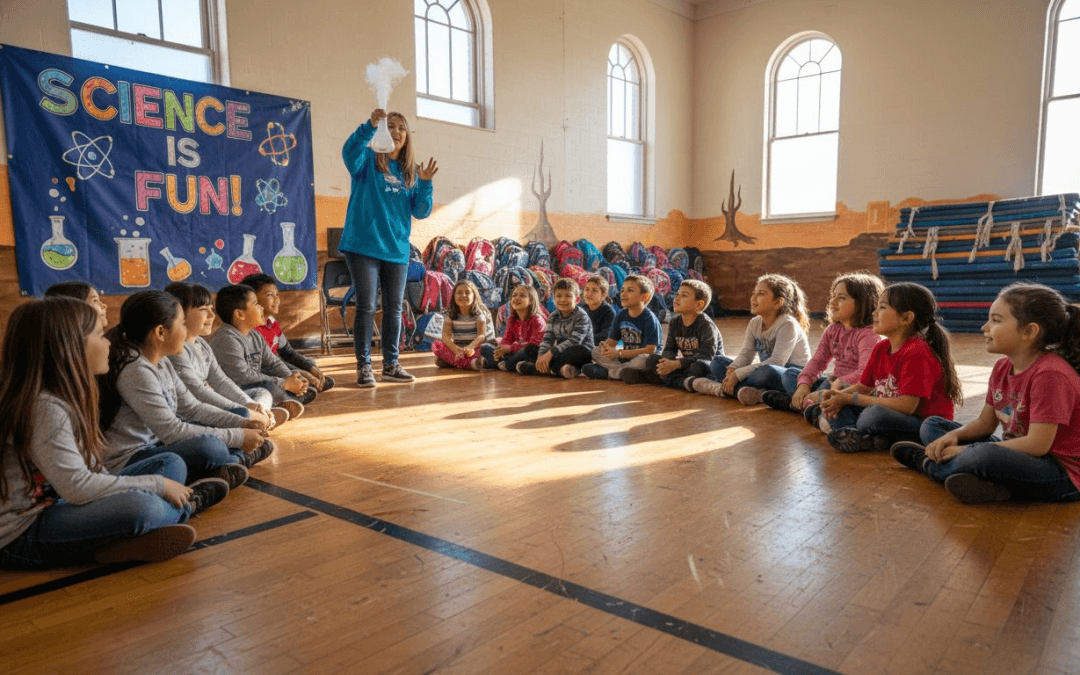
More than half of American elementary schools report increased student engagement after interactive school assemblies. These lively gatherings are more than just a break from routine. They shape young minds, build school spirit, and turn learning into something students genuinely look forward to each week. If you are searching for fresh ways to energize your classroom or school community, discover the creative strategies behind captivating K-5 assemblies that leave a lasting impression.
Key Takeaways
| Point | Details |
|---|---|
| Engagement Strategies are Essential | Incorporating interactive elements such as games and competitions is crucial to keep K-5 students actively involved in assemblies. |
| Align with Educational Goals | Select assembly programs that not only entertain but also meet specific curriculum objectives to enhance academic value. |
| Holistic Development Focus | Assemblies should integrate cultural awareness and social-emotional learning to foster well-rounded student growth. |
| Pre- and Post-Assembly Planning | Encourage teachers to prepare and follow up on assembly content to reinforce learning and maximize engagement. |
Defining Engaging K-5 School Assemblies
Engaging K-5 school assemblies represent strategic educational experiences designed to captivate young learners through interactive and dynamic presentations. These programs go beyond traditional lecture formats, transforming standard school gatherings into powerful learning opportunities that stimulate curiosity, encourage participation, and create memorable academic experiences.
Successful elementary school assemblies incorporate multiple engagement strategies to maintain student interest. Interactive elements that involve student participation are crucial, such as incorporating educational games, competitions, cultural celebrations, and hands-on workshops. These approaches help break traditional passive learning models by encouraging students to become active contributors rather than passive observers.
The core characteristics of compelling K-5 assemblies include age-appropriate content, dynamic presenters, interactive demonstrations, and curriculum-aligned themes. Teachers and administrators seek programs that not only entertain but also provide substantive educational value. Whether featuring science demonstrations, character education presentations, or cultural performances, these assemblies should spark intellectual curiosity while maintaining an energetic, age-appropriate atmosphere that keeps young students engaged and excited about learning.
Pro Tip: Design Assembly Selection Strategy: Always preview assembly content beforehand and align the program with specific educational objectives to maximize student learning and engagement.
Popular Assembly Types In Phoenix Schools
Phoenix schools offer a diverse range of educational assembly programs designed to engage and inspire K-5 students through interactive and immersive learning experiences. These programs span multiple disciplines, providing students with opportunities to explore science, music, cultural awareness, and character development in dynamic and memorable ways.
Science-focused assemblies from organizations like the Arizona Science Center represent a cornerstone of educational programming in Phoenix elementary schools. These presentations cover fascinating topics such as chemistry, liquid nitrogen experiments, and combustion demonstrations, accommodating up to 100 students per session and designed to spark scientific curiosity among young learners. The interactive nature of these programs transforms complex scientific concepts into accessible and exciting educational experiences.
Additionally, music and performance-based assemblies play a significant role in Phoenix school programming. The Phoenix Symphony provides interactive educational programs featuring small musical ensembles that can be tailored to different age groups. These 45-minute performances not only introduce students to musical concepts but also integrate curriculum-related themes, helping students develop a deeper understanding of artistic expression and cultural diversity.
Pro Tip: Assembly Exploration Strategy: Research and preview multiple assembly options to ensure they align with your school’s educational goals and students’ age-appropriate learning needs.
Here’s a summary of key assembly types and their unique educational benefits:
| Assembly Type | Main Focus Area | Unique Educational Benefit | Example Program |
|---|---|---|---|
| Science Assemblies | STEM concepts | Hands-on experiments, real-world ties | Arizona Science Center demos |
| Music Performances | Arts & cultural literacy | Musical skill building, diversity | Phoenix Symphony concerts |
| Comedy Assemblies | Social-emotional learning | Humor-based character education | Laugh Factory |
| Math-Focused Shows | Critical thinking | Story-driven math problem solving | Mathical Mystery Tour |
| Everyday Science | Applied science | Relatable demos (nutrition, economics) | Supermarket Science |
Spotlight On Wacky Science And Laugh Factory
Phoenix schools are revolutionizing educational assemblies by introducing dynamic, interactive programs that transform learning into an exciting adventure for K-5 students. Two standout programs that consistently capture young learners’ imagination are the Wacky Science Show and the Laugh Factory, each offering unique approaches to engaging elementary students through entertainment and education.

Science assemblies demonstrate how educational programs can blend scientific concepts with imagination, creating memorable learning experiences for students. The Wacky Science Show takes this approach to new heights, using bizarre experiments, unexpected demonstrations, and interactive presentations that make complex scientific principles accessible and thrilling for young minds. By exploring topics like physics, chemistry, and biology through surprising and entertaining methods, these assemblies turn traditional learning on its head.
The Laugh Factory complements scientific programming by introducing humor as an educational tool, helping students develop social-emotional skills while enjoying comedic performances. These shows typically incorporate age-appropriate comedy, interactive skits, and positive messaging that reinforces character development and social awareness. By combining entertainment with educational objectives, these assemblies create immersive experiences that students remember long after the performance ends, effectively breaking down traditional barriers between learning and fun.
Pro Tip: Assembly Engagement Technique: Encourage teachers to preview assembly content beforehand and develop follow-up classroom activities that reinforce the key lessons and concepts presented during the performance.
Supermarket Science And Mathical Mystery Tour
Phoenix schools continue to innovate educational experiences through unique assembly programs that transform learning into an engaging, interactive journey for K-5 students. The Supermarket Science and Mathical Mystery Tour represent two exceptional approaches that combine entertainment with educational depth, creating memorable experiences that spark curiosity and critical thinking.
Experimental science demonstrations like liquid nitrogen presentations inspire students to explore scientific concepts through hands-on, dynamic experiences. The Supermarket Science assembly extends this approach by exploring scientific principles through everyday scenarios students encounter in grocery stores. This innovative program breaks down complex concepts like nutrition, measurement, economics, and chemistry into accessible, relatable demonstrations that transform mundane shopping experiences into exciting learning opportunities.
The Mathical Mystery Tour complements scientific learning by introducing mathematical concepts through storytelling and interactive problem-solving. This assembly engages students by presenting math as an exciting adventure, challenging traditional perceptions of mathematics as a dry, abstract subject. By incorporating narrative elements, interactive challenges, and real-world applications, the program helps students develop mathematical thinking skills while maintaining high levels of excitement and engagement. These assemblies demonstrate how educational programs can transcend traditional classroom learning, making complex subjects approachable and enjoyable for young learners.
Pro Tip: Curriculum Integration Strategy: Work with assembly presenters to obtain supplemental materials that teachers can use to reinforce key concepts in subsequent classroom lessons.
How Assemblies Support Learning And Culture
School assemblies represent far more than simple interruptions to standard classroom instruction. These strategic educational experiences serve as powerful platforms for holistic student development, integrating learning objectives with cultural awareness, social-emotional growth, and community building in K-5 educational environments.
Interactive school assemblies transform traditional learning by involving students directly in discussions and experiences, creating dynamic environments that encourage active participation. By moving beyond passive listening, these programs engage students through music, storytelling, demonstrations, and collaborative activities that make educational content memorable and impactful. This approach helps students connect abstract concepts to real-world experiences, fostering deeper understanding and retention of critical academic and social lessons.
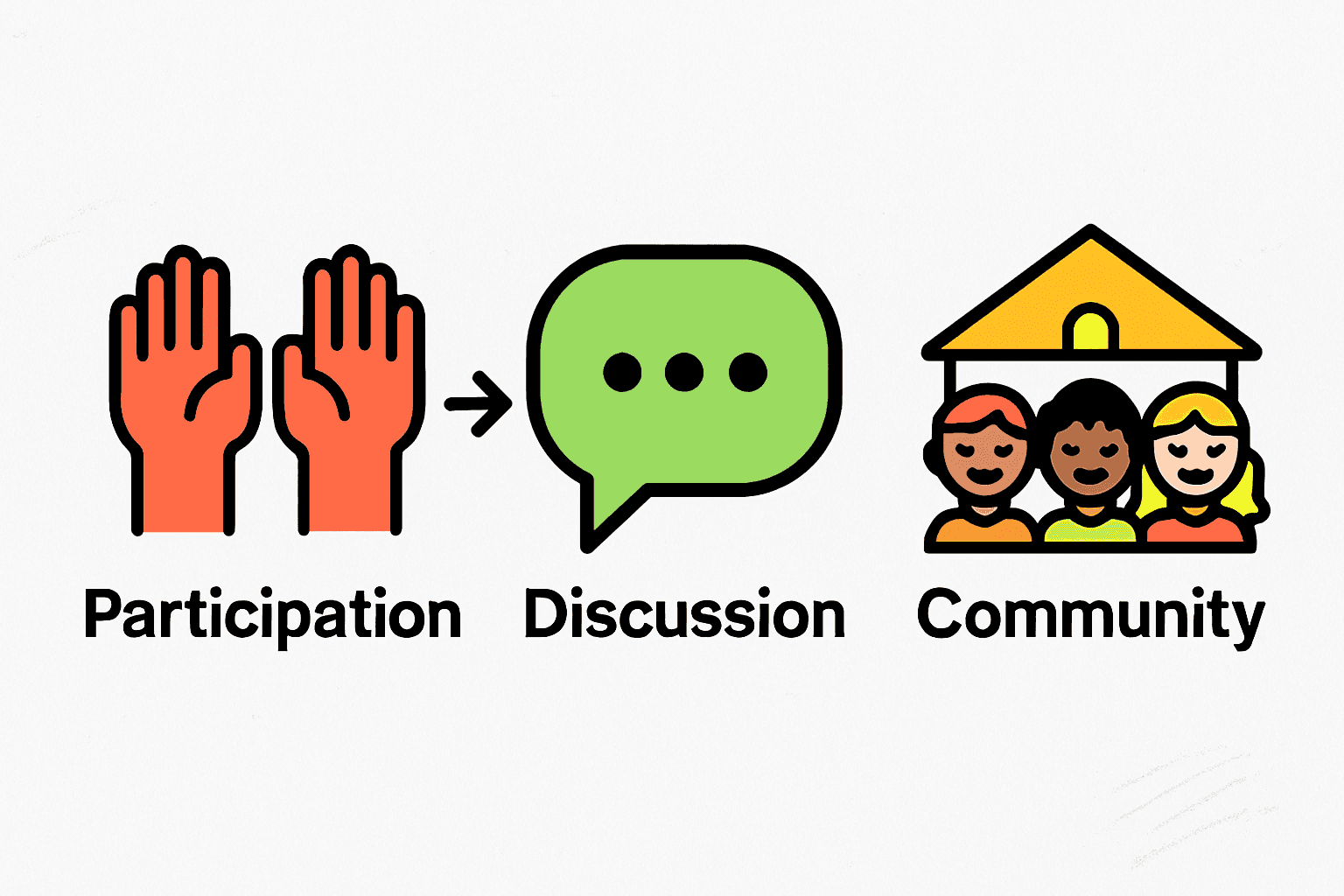
Beyond academic learning, school assemblies play a crucial role in cultural education and character development. Creative assembly formats like talent shows, educational competitions, and cultural celebrations provide opportunities for students to explore diversity, develop empathy, and understand different perspectives. These experiences help build a more inclusive school culture, teaching students valuable social skills, respect for differences, and the importance of community engagement. By exposing students to varied experiences and narratives, assemblies become transformative spaces that support emotional intelligence and broader worldviews.
Pro Tip: Assembly Reflection Strategy: Encourage teachers to develop short post-assembly discussion or reflection activities that help students process and internalize the key lessons and experiences from each assembly program.
Tips For Organizing Successful Assemblies
Successful school assemblies require strategic planning and intentional design that goes beyond simply scheduling a performance. Educational leaders must carefully consider multiple elements to create engaging, meaningful experiences that capture students’ attention and support broader learning objectives.
Interactive assembly strategies that involve students directly in discussions and experiences are critical for maintaining engagement. Schools should focus on creating dynamic presentations that encourage participation through techniques like interactive storytelling, live demonstrations, student volunteer opportunities, and multimedia presentations. These approaches transform assemblies from passive listening experiences into active learning environments where students become co-creators of their educational experience.
Organizing compelling assemblies also requires careful consideration of content relevance, age-appropriate presentation, and alignment with curriculum goals. Creative formats such as talent shows, educational competitions, and cultural celebrations can help schools design programs that not only entertain but also educate. School administrators should collaborate closely with assembly presenters to ensure the content meets educational standards, supports classroom learning, and provides unique experiences that complement standard instructional methods.
Pro Tip: Pre-Assembly Preparation Strategy: Develop a brief pre-assembly classroom discussion guide that introduces key themes and generates student curiosity about the upcoming presentation, helping to maximize engagement and learning potential.
Compare these strategies for maximizing impact from school assemblies:
| Strategy | When to Use | Expected Outcome |
|---|---|---|
| Preview Assembly Content | Before booking a program | Ensures alignment with objectives |
| Teacher-Led Follow-Ups | After assembly sessions | Reinforces core concepts |
| Curriculum Integration | During lesson planning | Deepens classroom connections |
| Student Participation Emphasis | Throughout assembly program | Boosts engagement and retention |
Transform Your Phoenix K-5 School Assemblies Into Unforgettable Learning Experiences
Captivating young learners during school assemblies can be a real challenge, as described in the article. The key goals are to boost student engagement through interactive demonstrations and age-appropriate content, as well as to align assembly themes with curriculum objectives and school culture. Finding programs that combine education with excitement, such as science shows, character education, and cultural performances, demands careful planning and trusted partners.
At Academic Entertainment, we understand these challenges deeply. With over 40 years of expertise, we offer a wide variety of customizable, educational assemblies designed to inspire K-5 students in Phoenix and beyond. Our options include science, music, diversity, and character-building performances that bring real value into your school day while keeping students actively engaged. Each program is carefully crafted for your unique educational goals and student needs, making it easier than ever to bring dynamic, impactful experiences to your school community.
Explore our full range of inspiring assembly programs now and take the first step toward transforming your school gatherings into powerful learning moments with Academic Entertainment. Don’t wait to engage your students with assemblies that go beyond entertainment to spark curiosity and personal growth. Visit our home page today to find the perfect fit for your school’s needs.
Frequently Asked Questions
What are some engaging types of school assemblies for K-5 students?
Popular types include science-focused assemblies, music performances, comedy shows, and math-focused demonstrations, each providing unique educational benefits through interactive experiences.
How do school assemblies support student learning and development?
Assemblies encourage active participation, foster social-emotional growth, and enhance cultural awareness, making complex subjects more approachable and engaging for young learners.
What should schools consider when selecting assembly programs?
Schools should align assembly content with educational objectives, ensure age-appropriateness, and prioritize programs that offer interactive, hands-on experiences to maximize student engagement.
How can teachers reinforce lessons learned during school assemblies?
Teachers can develop follow-up activities, discussion guides, or reflection sessions that help students internalize key concepts and make connections to classroom learning.
Recommended
- Best High School Assembly Activities and Games Idea for Students
- Understanding the Role of Assemblies for Elementary Students – Academic Entertainment
- What Are Interactive Assemblies? Understanding Their Impact – Academic Entertainment
- How to Make School Assemblies Even More Fun – Academic Entertainment